
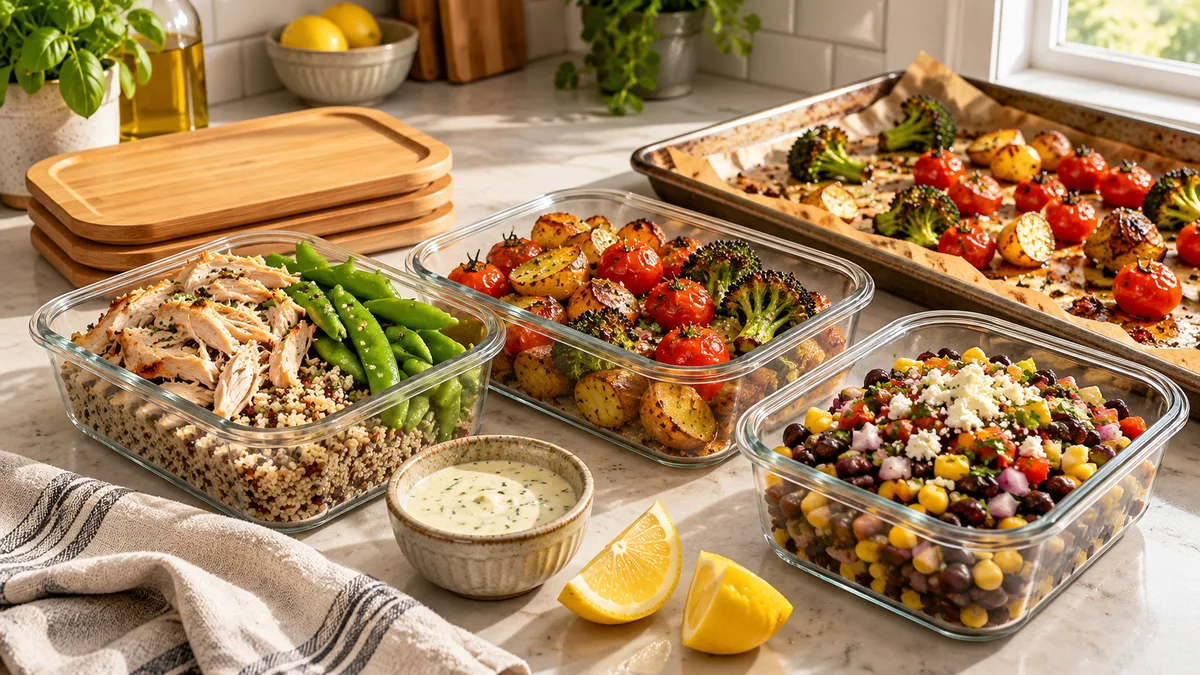
Most Sunday meal prep tutorials look like pure punishment. Nobody wants to spend five hours washing twenty plastic containers, slicing ten pounds of raw chicken breast, and choking down dry broccoli by Thursday.
You want good food in your fridge after a brutal workday without culinary school homework. You want low-stress meals that demand minimal cleanup and zero knife skills. This guide walks you through weekly meal planning for people who hate cooking.
Forget the picture-perfect containers on social media. This system focuses on big flavor with minimal effort. You can finish your grocery run and kitchen prep in under sixty minutes flat.
The Lazy Cook Manifesto: Rethinking Weekly Prep
Traditional meal preppers treat their kitchens like military mess halls. They batch-cook thirty identical portions of plain rice, dry chicken, and steamed greens, then order takeout by Wednesday night. Eating the exact same meal seven times in a row sounds miserable to most people.
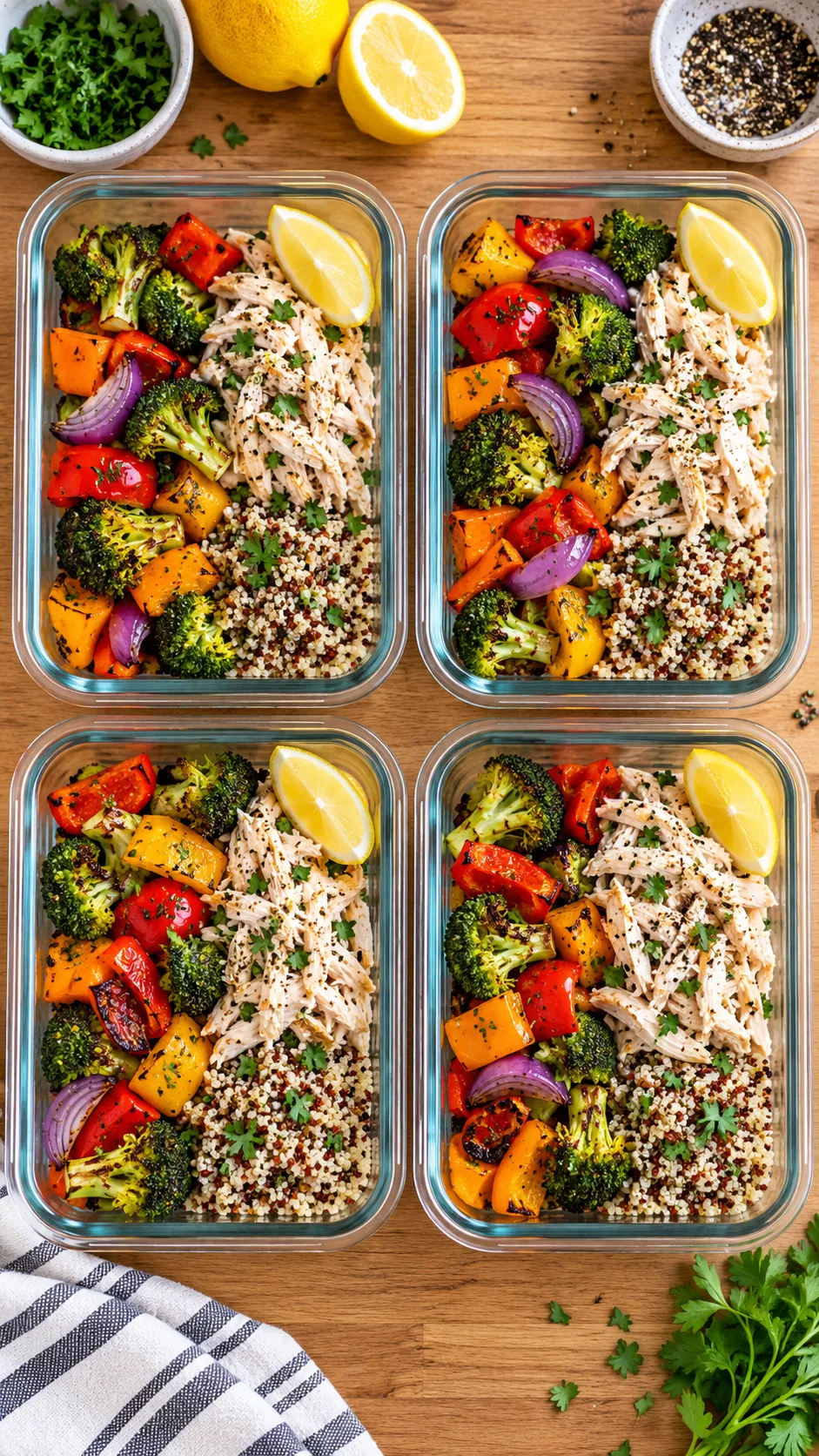
Smart cooks rely on component prep instead of assembling complete meals in advance. You roast two trays of versatile ingredients, make one grain base, buy good sauces, and combine them differently each day. This approach prevents boredom and cuts your active kitchen time down to minutes.
If you enjoy creative meal strategies, check out our favorite easy meal prep ideas that save hours each week. Combining flexible ingredients beats assembling rigid lunch boxes every single time.
The 3 Golden Rules of Frictionless Meal Prep
Before you turn on the oven, memorize these three rules. They save your sanity, trim your grocery bill, and keep dirty dishes out of your sink.
- Outsource the knife work entirely: Knife skills take time and effort. Buy pre-washed bagged spinach, pre-chopped butternut squash, frozen bell pepper strips, and pre-minced garlic in a jar. Let grocery processors do your chopping for pennies on the dollar.
- Rely on sheet pans and passive heat: The moment you stand over a stove stirring a pan for thirty minutes, you lose the lazy meal prep game. Your oven and slow cooker do all the heavy work while you relax on the couch.
- Obey the Two-Sauce Rule: Food fatigue happens when everything tastes monotonous. Buy two distinct sauces, such as a tangy chimichurri and a spicy peanut sauce. Applying different sauces transforms the exact same base ingredients into two distinct meals.
Essential Tools You Need (No Fancy Gadgets Allowed)
Forget the mandolines and expensive spiralizers gathering dust in your bottom cabinets. You only need four basic items to streamline your routine, and you probably own three of them already.
1. Rimmed Aluminum Half-Sheet Pans
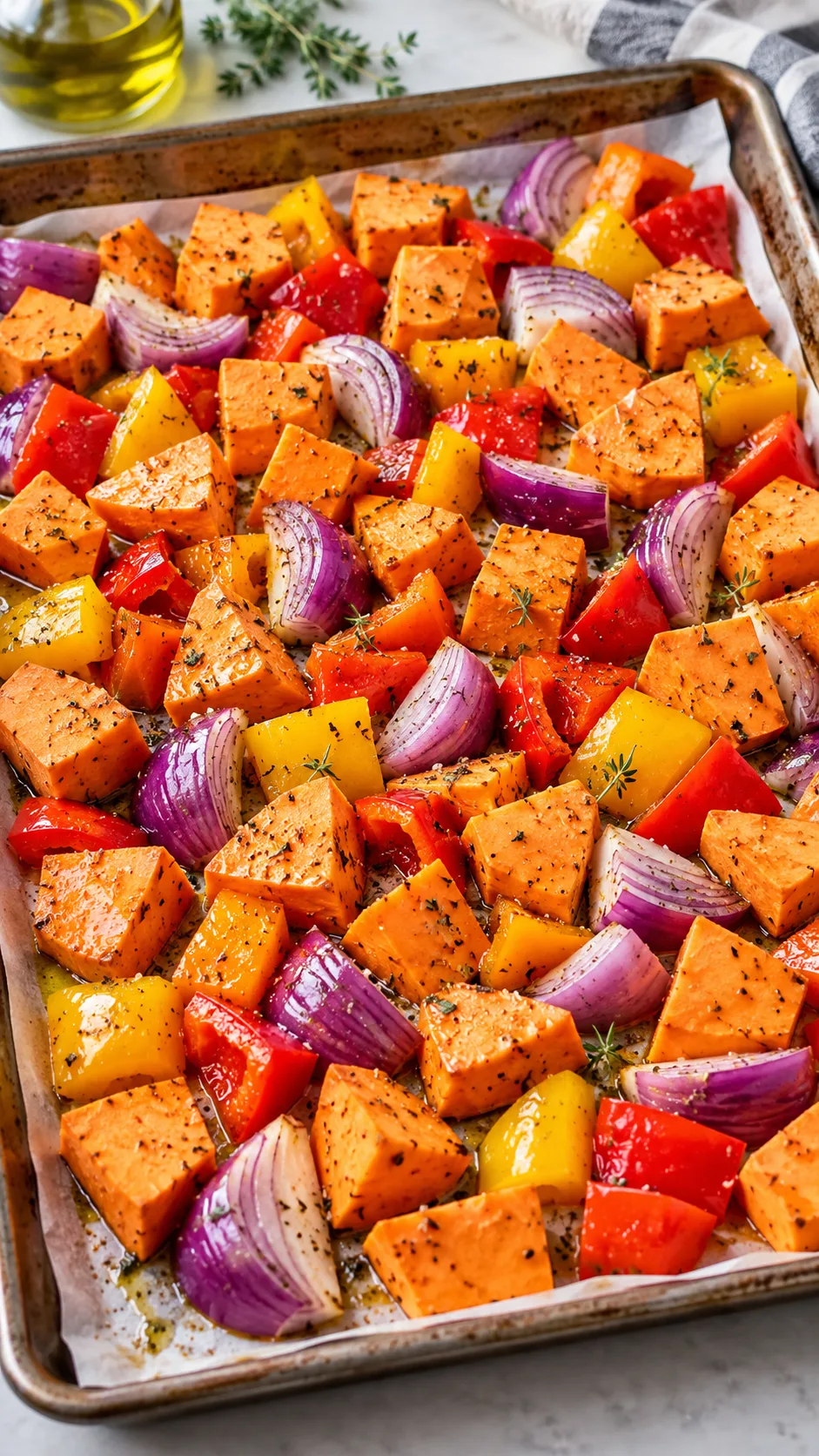
Buy two heavy-duty rimmed half-sheet baking pans. High-quality pans conduct heat evenly, roast vegetables fast, and prevent warping under high temperatures. Spread your vegetables and proteins across these pans so high heat creates caramelized edges without extra effort.
2. Parchment Paper Sheets (The Ultimate Dishwashing Hack)
Never bake directly on bare metal. Unbleached parchment paper liners create a barrier between your food and your cookware. When the timer sounds, lift the paper, transfer the roasted food into storage containers, and slide the clean pan straight back into your cabinet. You skip the soaking, scraping, and scrubbing entirely.
3. Glass Storage Containers with Locking Lids
Toss the flimsy plastic takeout tubs. Plastic warps, absorbs tomato stains, and traps garlic smells. Invest in a set of glass containers with snap-locking lids. Glass moves safely from the refrigerator to the microwave or oven. Clear glass also lets you see your food, which prevents forgotten leftovers from spoiling in the back of the fridge.
4. A Trusty Meat Thermometer
Stop slicing open chicken breasts to inspect the meat. A quick digital instant-read thermometer gives you the exact internal temperature in seconds. You hit safe numbers every time and keep your meat juicy.
The 60-Minute “Hands-Off” Weekend Master Plan
Set a timer for sixty minutes. By using simultaneous passive cooking methods, you will complete an entire workweek of lunches and dinners while exerting about fifteen minutes of active physical effort. Here is the exact schedule for Sunday afternoon:
- Minutes 0 to 10 (Oven setup): Heat your oven to 400°F (200°C). Line two sheet pans with parchment paper. Place two pounds of thawed chicken tenders or tofu cubes on Sheet Pan A. Spread two bags of pre-cut broccoli florets and chopped sweet potato chunks across Sheet Pan B.
- Minutes 10 to 15 (Quick seasoning): Drizzle olive oil generously over both pans. Dust Sheet Pan A with garlic powder, smoked paprika, salt, and black pepper. Toss Sheet Pan B with Italian seasoning and sea salt. Slide both pans into the oven.
- Minutes 15 to 20 (The grain base): Set up your rice cooker or a medium saucepan. Add two cups of rinsed jasmine rice or dry quinoa, four cups of chicken or vegetable broth, and a pinch of salt. Press start on the rice cooker, or bring the pot to a boil on the stove, cover it tightly, and reduce the heat to low for fifteen minutes.
- Minutes 20 to 45 (Free time): Walk out of the kitchen. Read a book, clean your living room, or watch a show. The oven and stove do the cooking for you.
- Minutes 45 to 50 (The check and cool): Check your chicken with your digital thermometer (aim for 165°F). Remove both baking pans from the oven. Turn off the rice cooker. Leave everything on the counter to cool to room temperature.
- Minutes 50 to 60 (Pack and store): Divide your grains, roasted vegetables, and proteins into glass containers. Put two store-bought sauces into your fridge. You just prepped five days of balanced food with almost no dishes to wash.
5 Lazy Meal Formulas That Prevent Food Boredom
Assembling rigid meals causes food boredom. Use these five simple combinations to turn your prepped staples into fresh weeknight dinners.
1. The Zero-Effort Grain Bowl
Scoop a cup of your grains into a wide bowl. Add roasted vegetables and a serving of baked chicken or tofu. Drizzle two tablespoons of store-bought tahini or sriracha mayo over the top. Scatter pumpkin seeds or crumbled feta cheese across the bowl for crunch.
2. 5-Minute Sheet Pan Quesadillas
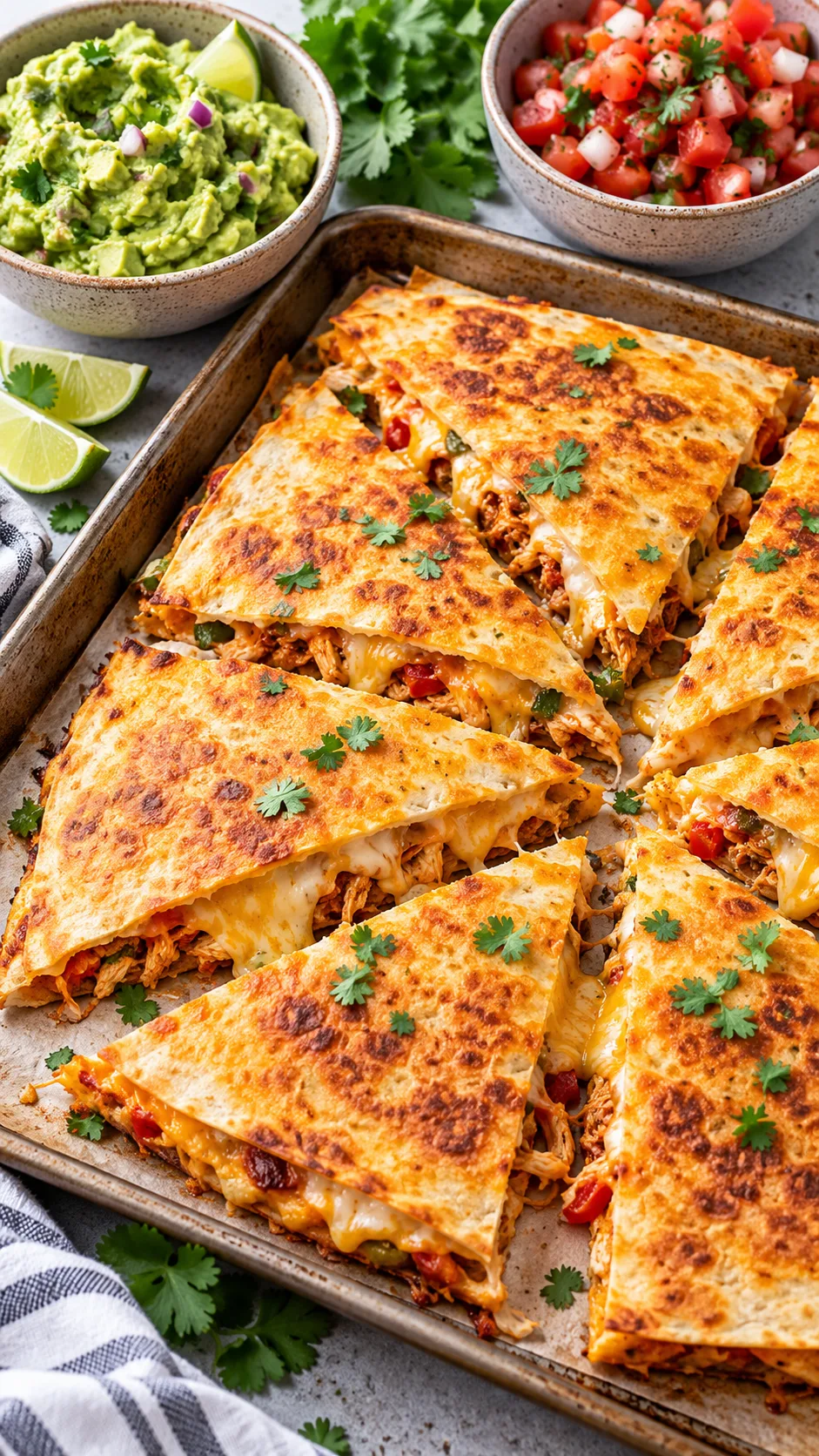
Shred some cooked chicken with two forks. Lay a large flour tortilla on a parchment-lined pan, scatter cheddar cheese over one half, add the shredded chicken and roasted vegetables, and fold the tortilla closed. Bake at 425°F for eight minutes until golden and crisp. Serve it with salsa and sour cream. You finish prep in three minutes.
3. Dump-and-Go Slow Cooker Salsa Verde Chicken
If you own a slow cooker, this meal takes almost no effort. Place two pounds of chicken breasts into the slow cooker pot. Pour one sixteen-ounce jar of salsa verde directly over the meat. Do not add water, and do not stir.
Cover the pot and set the heat to low for six hours. The chicken simmers in the salsa until tender. Shred the meat directly in the cooking juices with two forks. You now have shredded chicken for rice bowls, tacos, nachos, and wraps for days. This is one of the easiest shortcuts in home cooking.
4. The Mediterranean “Adult Lunchable”
Lunch does not always need heat. Some days, you do not even want to run the microwave. You can build a cold bistro box straight from your grocery bags without turning on a burner.
- Two hard-boiled eggs (peeled)
- A generous scoop of garlic hummus
- A handful of sliced Persian cucumbers
- Pitted kalamata olives and marinated artichoke hearts
- A small stack of whole-grain pita crackers
This meal takes sixty seconds to assemble, packs good protein, and keeps your energy steady through long afternoon meetings.
5. Lazy Pesto Pasta with Blistered Tomatoes
Boil your favorite pasta in salted water. During the final two minutes, dump a bag of frozen green peas directly into the boiling water with the noodles. Drain the pasta and peas together in a colander.
Toss the warm pasta with three tablespoons of jarred basil pesto, a pint of cherry tomatoes, and your prepped sheet-pan chicken. The residual heat wilts the tomatoes and warms the chicken without drying it out. You have dinner on the table in twelve minutes.
High-Impact Grocery Shortcuts Worth Every Penny
Purists insist that you must cook every single element from scratch. Ignore them. Grocery store shelves contain dozens of high-quality convenience items that slash your prep time without adding weird additives or breaking your budget.
According to researchers at the Harvard T.H. Chan School of Public Health, frozen and minimally processed vegetables retain virtually the same nutritional value as fresh produce. Buy modern conveniences that make cooking easier.
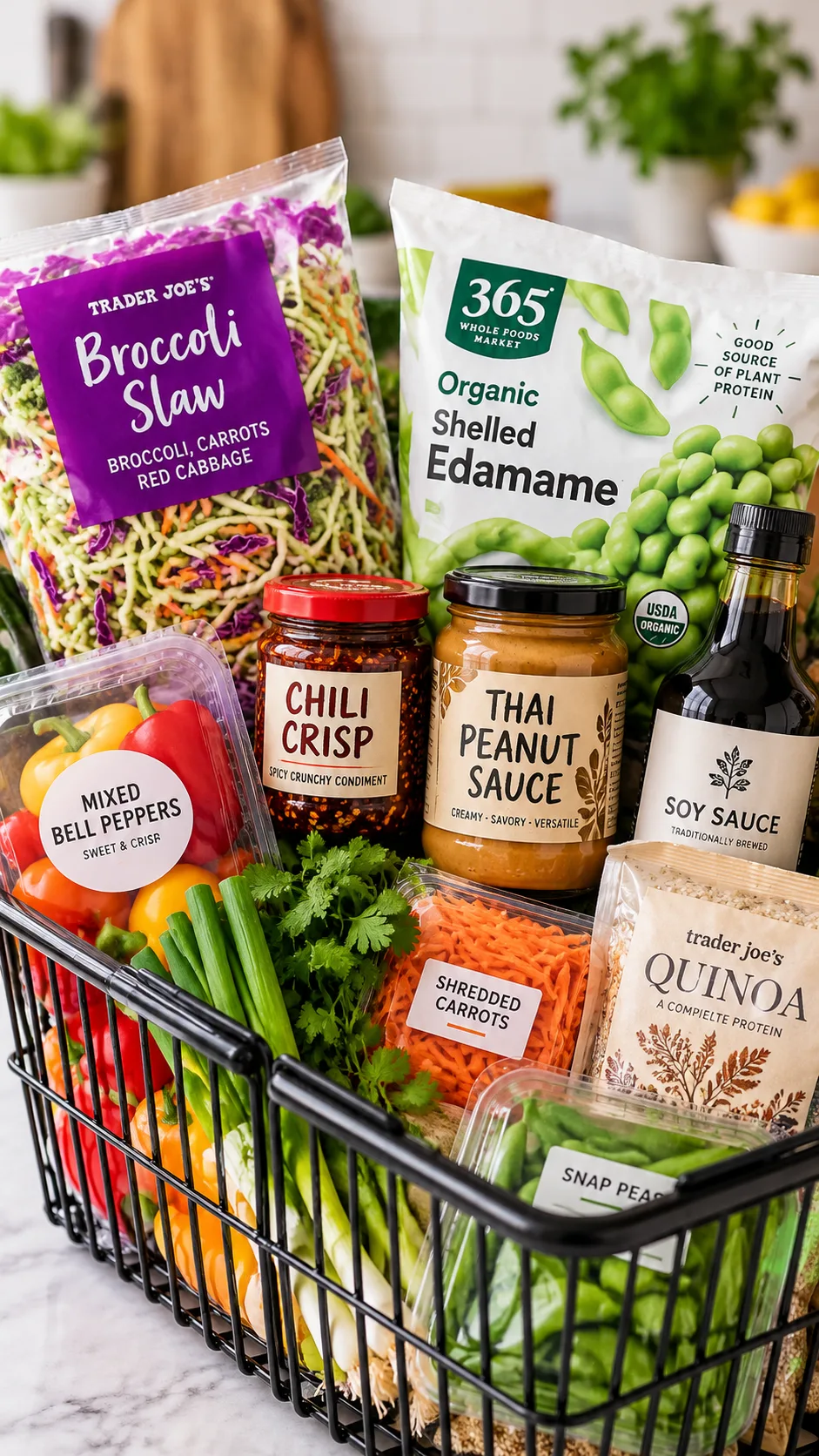
Stock Your Pantry and Fridge with These Time-Savers:
- Rotisserie Chicken: The easiest shortcut in the deli. Pull the meat from the bones for wraps, soups, and grain bowls. You get tender, seasoned poultry right away for less money than buying a raw whole bird.
- Frozen Edamame and Peas: Thaw these in warm tap water for sixty seconds. They give you instant plant protein and fiber for bowls and pasta.
- Bagged Slaw Mixes: Shredded green cabbage, red cabbage, and carrots stay crisp in your crisper drawer for over a week. Toss slaw mix into stir-fries or dress it with vinaigrette for quick salads.
- Microwaveable Grains: Pouch grains heat up in ninety seconds. They save dinner when you run out of your weekend batch of rice.
- Jarred Curry Pastes and Simmer Sauces: A jar of Thai green curry or Indian tikka masala sauce turns plain sheet-pan vegetables and chicken into a flavorful meal without measuring spices.
For more ideas on rotating your meals, read our guide on meal prep systems without boring recipes. It covers practical ways to mix these staples into different weekly dinners.
Food Safety and Storage Realities (Don’t Poison Yourself)
Nothing ruins a good week like a case of foodborne illness. If you prep food for five days at once, you must follow basic storage rules to keep meals fresh.
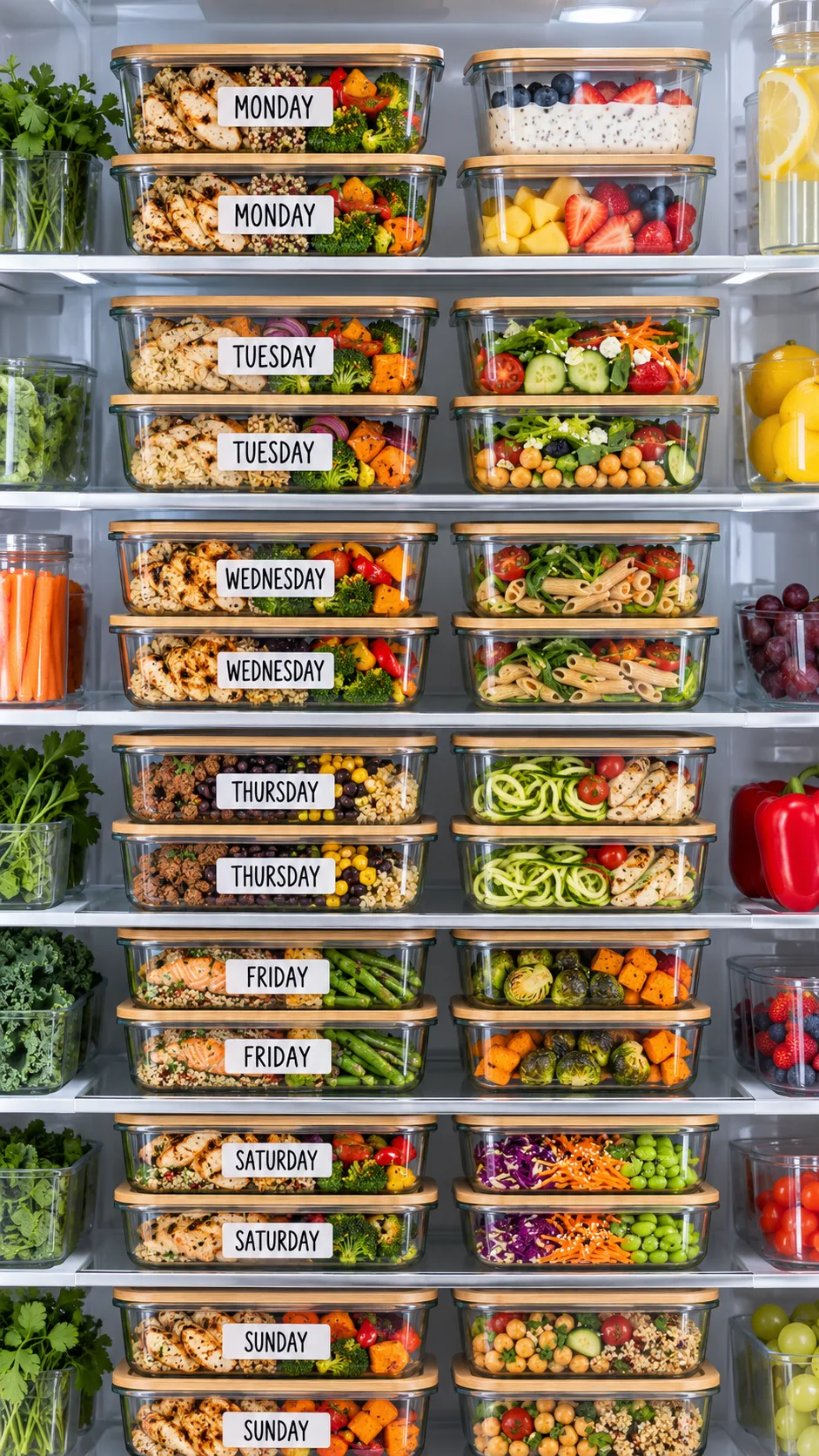
The USDA Food Safety and Inspection Service states that cooked poultry, meat, and seafood maintain safety and quality in a refrigerator (below 40°F/4°C) for three to four days. To cover Thursday and Friday, use your freezer.
Follow the 3-Day Freezer Split Rule. Keep Monday, Tuesday, and Wednesday lunches in your refrigerator. Pack your Thursday and Friday meals directly into freezer-safe containers and put them in your freezer on Sunday afternoon. On Wednesday evening, transfer those frozen containers back into the refrigerator. They thaw slowly overnight and taste fresh at lunchtime on Thursday and Friday.
How to Keep Momentum When You Hit the Wall
On some Sundays, you will not want to look at a baking sheet. You will feel tired and uninterested in stepping into the kitchen. That does not mean your healthy week collapses.
Maintain an “Emergency Dinner Protocol” for these moments. Keep your freezer stocked with three items at all times:
- One bag of frozen chicken or vegetable dumplings
- One bag of frozen stir-fry vegetable medley
- A bottle of low-sodium soy sauce or teriyaki glaze
When you lack the energy to cook, toss the frozen dumplings and vegetables into a skillet with a splash of water and oil. Cover the pan with a lid for six minutes to steam them through, then uncover and sear until crisp. Drizzle sauce over the top and eat straight from the skillet. You finish dinner in eight minutes, save money on takeout, and skip heavy restaurant grease.
Give yourself permission to take shortcuts. Meal prep aims to reduce friction in your routine, not enforce rigid culinary rules. Prepping meals for three days still beats scrambling every single night.
Frequently Asked Questions About Lazy Meal Prep
Can I meal prep if I hate eating reheated chicken?
Yes. Chicken breasts dry out fast in the microwave. Switch to boneless, skinless chicken thighs. Their higher fat content keeps them tender during reheating. You can also use ground turkey, lean beef, tofu, lentils, or hard-boiled eggs, which hold their texture much better throughout the week.
How do I stop roasted vegetables from turning soggy?
Vegetables turn soggy when you crowd the baking pan. When you pack vegetables tightly together, they steam in their own moisture rather than roasting. Spread your vegetables across two sheet pans so hot air circulates around every piece. Roast at high heat (at least 400°F to 425°F) to brown the edges quickly.
Do I need to track macros for lazy meal prep to work?
No. This system relies on visual portions instead of kitchen scales. Fill half your container with roasted vegetables, one quarter with protein, and one quarter with rice or grains. Add a spoonful of olive oil, nuts, or avocado for healthy fats. This simple visual guide keeps your nutrition on track without any counting apps.
Reclaim Your Weeknights Without the Burnout
You do not need hours of free time, culinary training, or matching containers to eat well during a busy week. You need a simple routine that works with your schedule rather than against it.
Rely on pre-chopped produce, let the oven roast your components, buy tasty sauces, and freeze the second half of the week to keep everything fresh. Stop treating meal prep like a chore and treat it like an easy weeknight shortcut.
Grab a roll of parchment paper, pick up some pre-cut vegetables on your next shopping trip, and run the 60-minute passive cooking plan this Sunday. You will appreciate the effort every evening at dinner when good food waits in your kitchen and your sink sits empty.
