
Let’s get something out of the way right now: training your chest won’t make you “bulky.” It won’t make you look masculine. What it will do is lift your bustline, improve your posture, and give you the kind of upper body strength that makes carrying groceries feel like a warm-up. Sound good? Keep reading.
Most women skip chest day entirely, and I get it. The gym culture around chest training has been dominated by guys grunting through bench press sets for decades. But here’s the thing: your pectoral muscles sit directly beneath breast tissue, and strengthening them creates a natural lift and firmness that no push-up bra can replicate. That’s not marketing. That’s anatomy.
I spent years ignoring chest exercises in my own training. When I finally started incorporating them consistently, the difference in how my upper body looked and felt was almost embarrassing, because I’d waited so long. So whether you’re working out at home or in the gym, these seven moves will change how you think about chest training forever.
Why women should prioritize chest workouts
Your chest muscles, the pectoralis major and pectoralis minor, are two of the largest muscle groups in your upper body. When you strengthen them, you’re not just building one area. You’re creating a foundation that supports your shoulders, improves your pushing strength, and changes the overall appearance of your upper body.
Ever noticed how rounded shoulders make you look tired and closed off? A strong chest combined with a strong back pulls your posture into alignment, opening up your frame and making you stand taller. The American Council on Exercise (ACE) ranks chest exercises among the most effective movements for upper body development when you perform them with proper form.
And here’s a benefit nobody talks about enough: functional strength. Pushing a stroller, opening heavy doors, catching yourself when you trip. All of that involves your chest. Training it isn’t vanity. It’s practical.
Will chest exercises make my breasts smaller?
Short answer: no. Breast tissue is primarily fat and glandular tissue, not muscle. Chest exercises work the muscle underneath. You might notice your chest looks slightly firmer or more lifted, but the exercises themselves won’t reduce breast size. The only thing that could affect size is overall body fat changes from your entire fitness routine.
If you’re looking to build a well-rounded upper body alongside your chest work, check out this upper body workout plan that builds strength and definition. It pairs perfectly with what we’re covering here.
What you’ll need for this chest lift workout
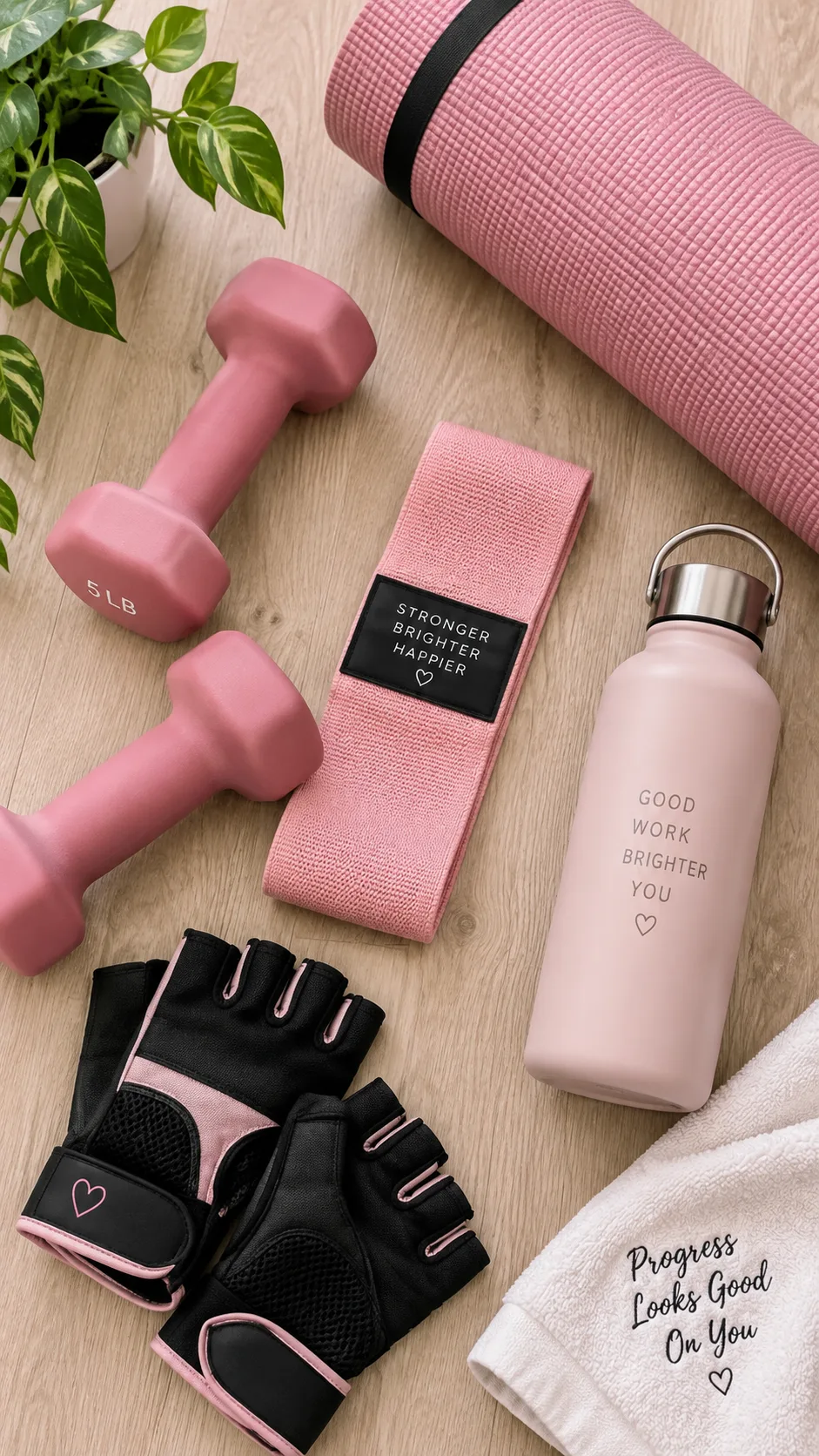
Good news: you don’t need a fully equipped gym to do these exercises. Here’s your equipment shortlist:
- A pair of dumbbells (8 to 20 lbs depending on your fitness level)
- A flat bench or stability ball (a sturdy chair or the floor works in a pinch)
- A resistance band (optional but useful for one variation)
- Your own bodyweight (free, always available, no excuses)
If dumbbells are your weapon of choice, you’ll love this complete upper body dumbbell workout plan that extends beyond chest to build your entire upper body.
The 7 best chest lift exercises for women
Alright, let’s get into the actual moves. I’ve arranged these from most accessible to most challenging, so beginners can start at the top and work their way down. Each exercise targets your pectorals from a slightly different angle, because your chest muscles are fan-shaped, and hitting them from multiple directions creates that full, lifted look.
1. Incline push-up
The incline angle puts slightly less load on your chest than a standard push-up, making it perfect for beginners or as a warm-up. It specifically targets the lower portion of your pectoralis major.
- Place your hands shoulder-width apart on a bench, step, or sturdy elevated surface.
- Walk your feet back until your body forms a straight line from head to heels.
- Lower your chest toward the bench by bending your elbows to about 90 degrees.
- Push back up explosively, squeezing your chest at the top.
- Perform 3 sets of 12 to 15 reps.
Pro tip: Keep your core tight and resist the urge to sag your hips. If your lower back dips, you’re turning a chest exercise into a back injury waiting to happen.
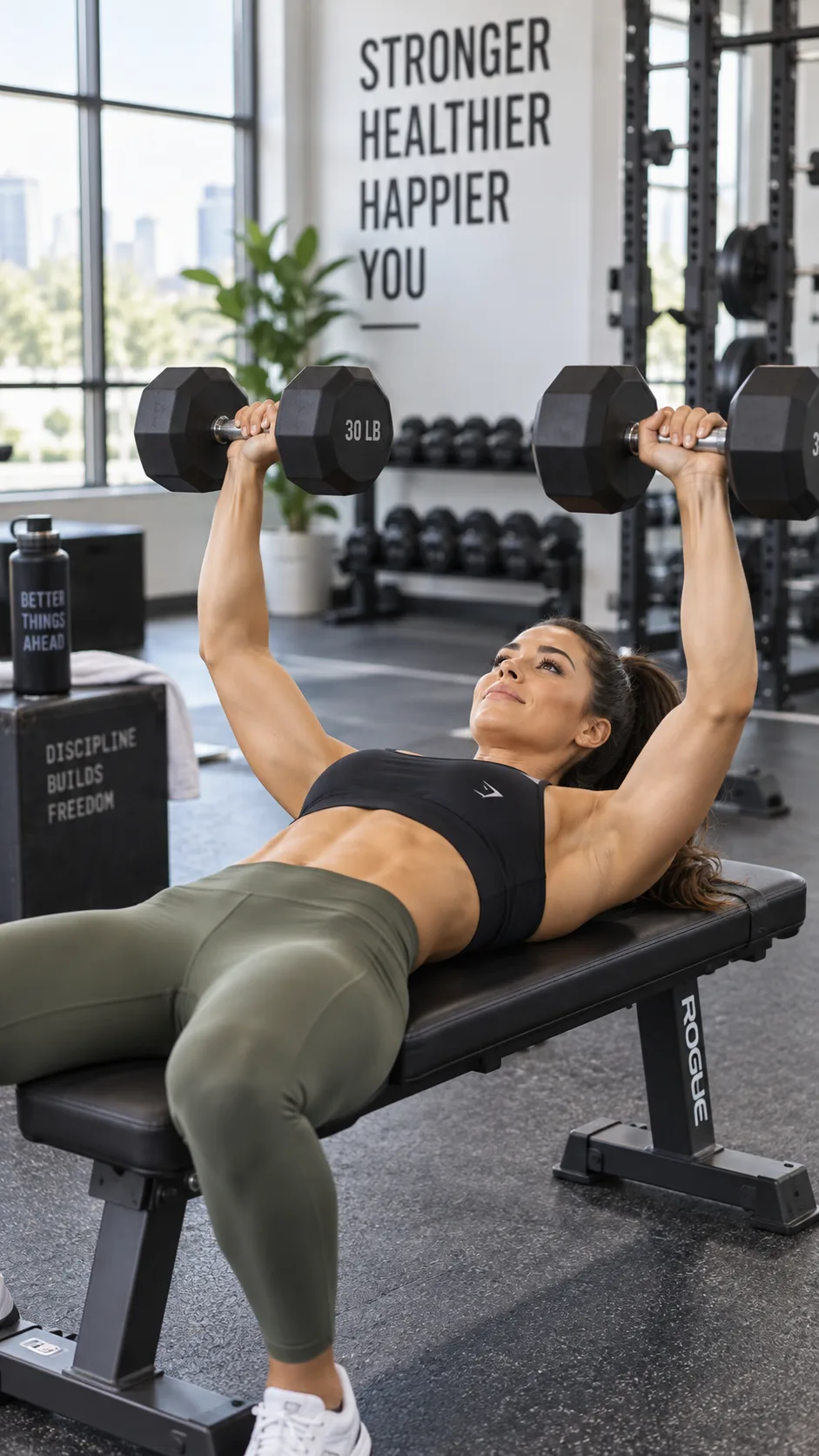
2. Dumbbell chest press (flat bench)
This is the bread and butter of chest training for women. If you only do ONE exercise from this list, make it this one. The flat dumbbell chest press activates your entire pectoralis major, your anterior deltoids, and your triceps all at once.
- Lie flat on a bench with a dumbbell in each hand, feet firmly on the floor.
- Hold the dumbbells above your chest with arms fully extended, palms facing forward.
- Slowly lower the dumbbells until they’re level with your chest, elbows at roughly 45 degrees from your body.
- Press them back up powerfully, bringing the dumbbells close together at the top without clanking them.
- Perform 3 sets of 10 to 12 reps.
Worth noting: using dumbbells instead of a barbell gives you a greater range of motion and forces each side to work independently. That means fewer muscle imbalances over time.
3. Incline dumbbell press
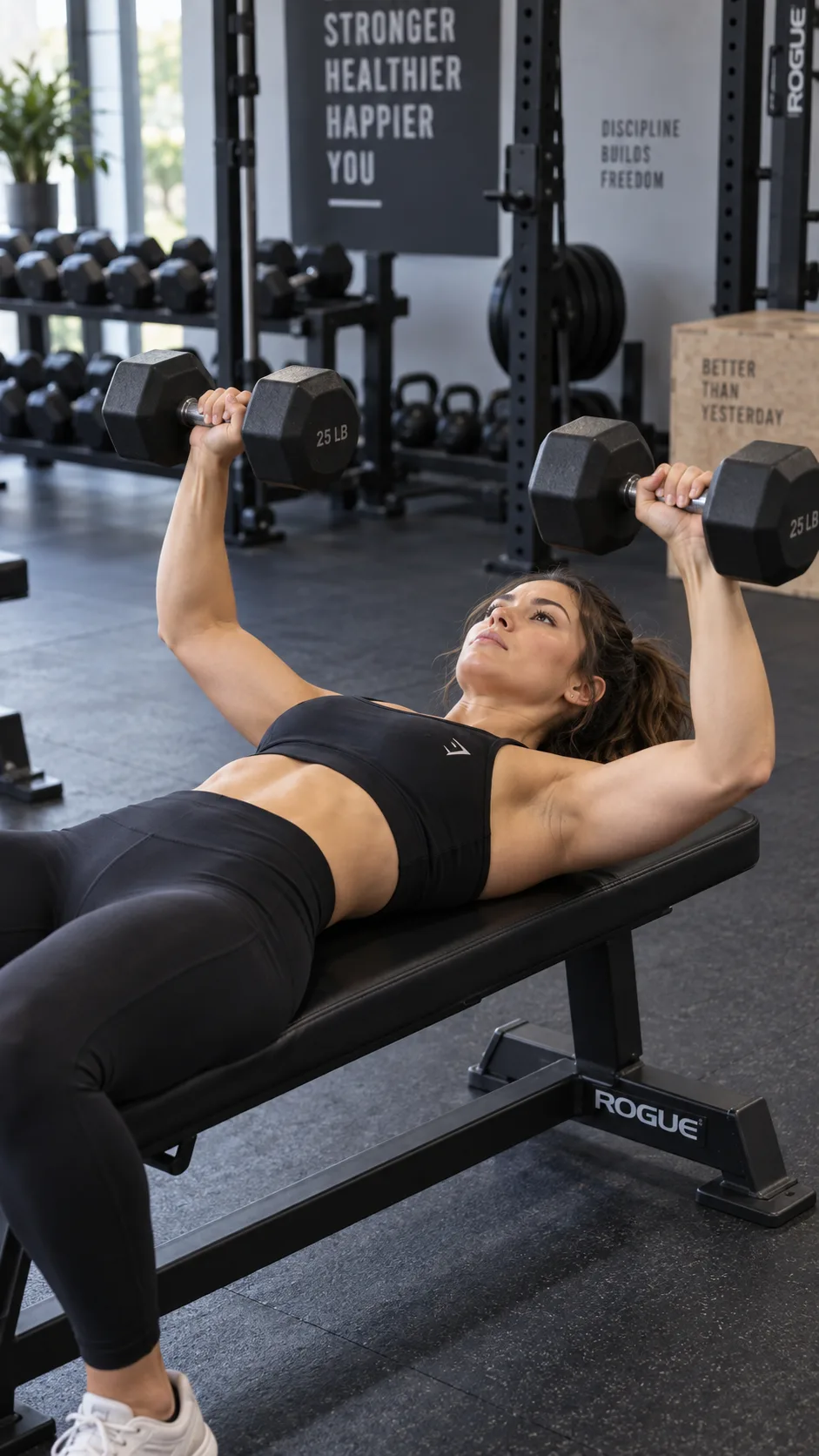
Want to target the upper chest specifically? This is your move. The incline angle shifts the emphasis to the clavicular head of your pectoralis major, the part that creates that filled-out, lifted look right below your collarbone.
- Set your bench to a 30 to 45 degree incline.
- Hold a dumbbell in each hand at shoulder height, palms facing forward.
- Press the dumbbells up and slightly inward until your arms are fully extended.
- Lower with control. Take at least 2 seconds on the way down.
- Perform 3 sets of 10 to 12 reps.
One detail to watch: Don’t set the incline too steep. Anything beyond 45 degrees turns this into a shoulder press, and we’ve got other exercises for that. Keep it moderate.
4. Dumbbell chest fly
If the chest press is about pushing, the chest fly is about squeezing. This isolation movement stretches and contracts your pecs through a wide arc of motion, creating that deep muscle activation you can genuinely feel working. It’s one of the most satisfying exercises to perform.
- Lie flat on a bench holding dumbbells above your chest with a slight bend in your elbows.
- Open your arms wide in a controlled arc, lowering the dumbbells until you feel a stretch across your chest.
- Squeeze your chest muscles to bring the dumbbells back together above you. Imagine hugging a large tree trunk.
- Maintain that slight elbow bend throughout. Straight arms put unnecessary stress on your elbow joints.
- Perform 3 sets of 12 to 15 reps.
Use lighter dumbbells here than you would for presses. Seriously. Your ego might want to grab the 20s, but your shoulder joints will thank you for choosing the 10s or 12s.
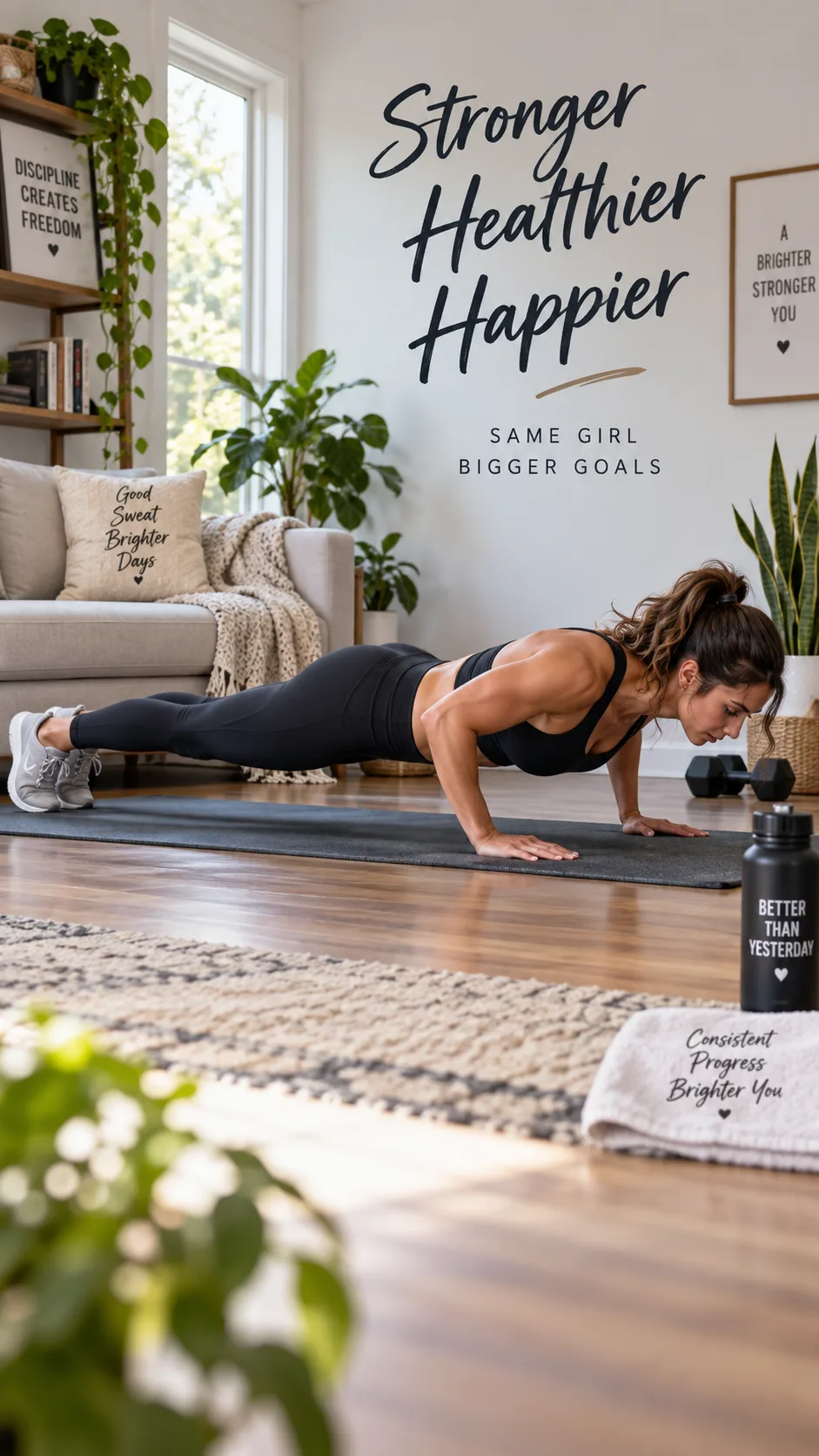
5. Standard push-up
You knew this was coming. The classic push-up remains one of the most effective bodyweight chest exercises ever invented, and it costs exactly zero dollars. Harvard Health points out that push-ups also work as a reliable indicator of overall cardiovascular fitness.
- Start in a high plank position with hands slightly wider than shoulder-width apart.
- Engage your core, glutes, and quads. Your entire body should feel like a rigid plank.
- Lower yourself until your chest nearly touches the floor.
- Push back up to full extension, squeezing your chest at the top.
- Perform 3 sets of as many quality reps as possible (AMRAP).
Can’t do a full push-up yet? No shame in that. Drop to your knees but keep your hips forward. Don’t sit back. You can also do negatives: lower yourself slowly over 4 to 5 seconds, then reset at the top. You’ll build the strength faster than you think.
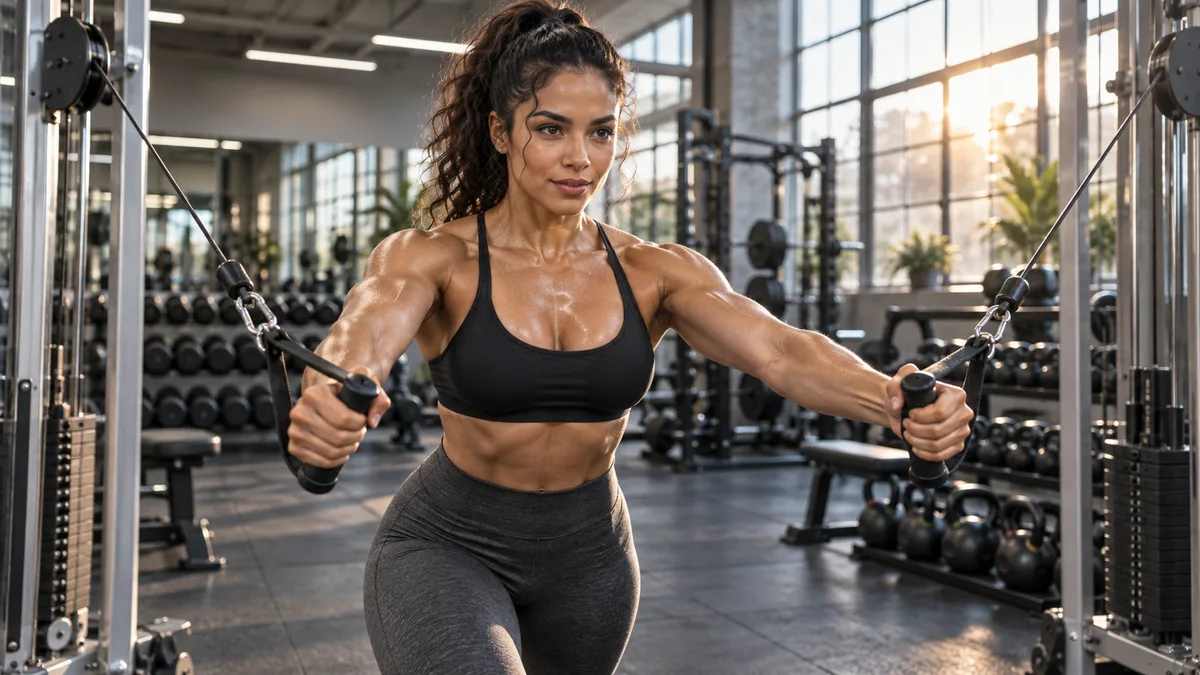
6. Standing cable chest press (or resistance band press)
This one adds a twist, literally. The standing position forces your core to stabilize while your chest does the pressing work. No cable machine? A resistance band anchored to a doorframe or sturdy pole works beautifully.
- Stand facing away from the cable machine or band anchor point, one foot slightly in front of the other for stability.
- Hold a handle in each hand at chest height.
- Press both hands forward and slightly inward until your arms are fully extended.
- Slowly return to the starting position, feeling the resistance pull your hands back.
- Perform 3 sets of 12 to 15 reps.
In my opinion, this is one of the most underrated chest exercises for women. It mimics real-world pushing movements better than any bench exercise, and it absolutely torches your inner chest where the two pectoral muscles meet at the sternum.
7. Decline push-up
Ready for the boss level? The decline push-up elevates your feet above your hands, shifting more of your bodyweight onto your upper chest and shoulders. It’s brutally effective, and it’ll humble you quickly if you’ve been coasting through regular push-ups.
- Place your feet on a bench, step, or sturdy chair behind you.
- Position your hands on the floor slightly wider than shoulder-width.
- Lower your chest toward the floor while keeping your core locked tight.
- Press back up to full extension.
- Perform 3 sets of 8 to 10 reps (or fewer. Quality over quantity here).
Warning: If your wrists bother you during this exercise, try using push-up handles or dumbbells as grips. The neutral wrist position takes a lot of pressure off those joints.
Putting it all together: your weekly chest lift workout plan
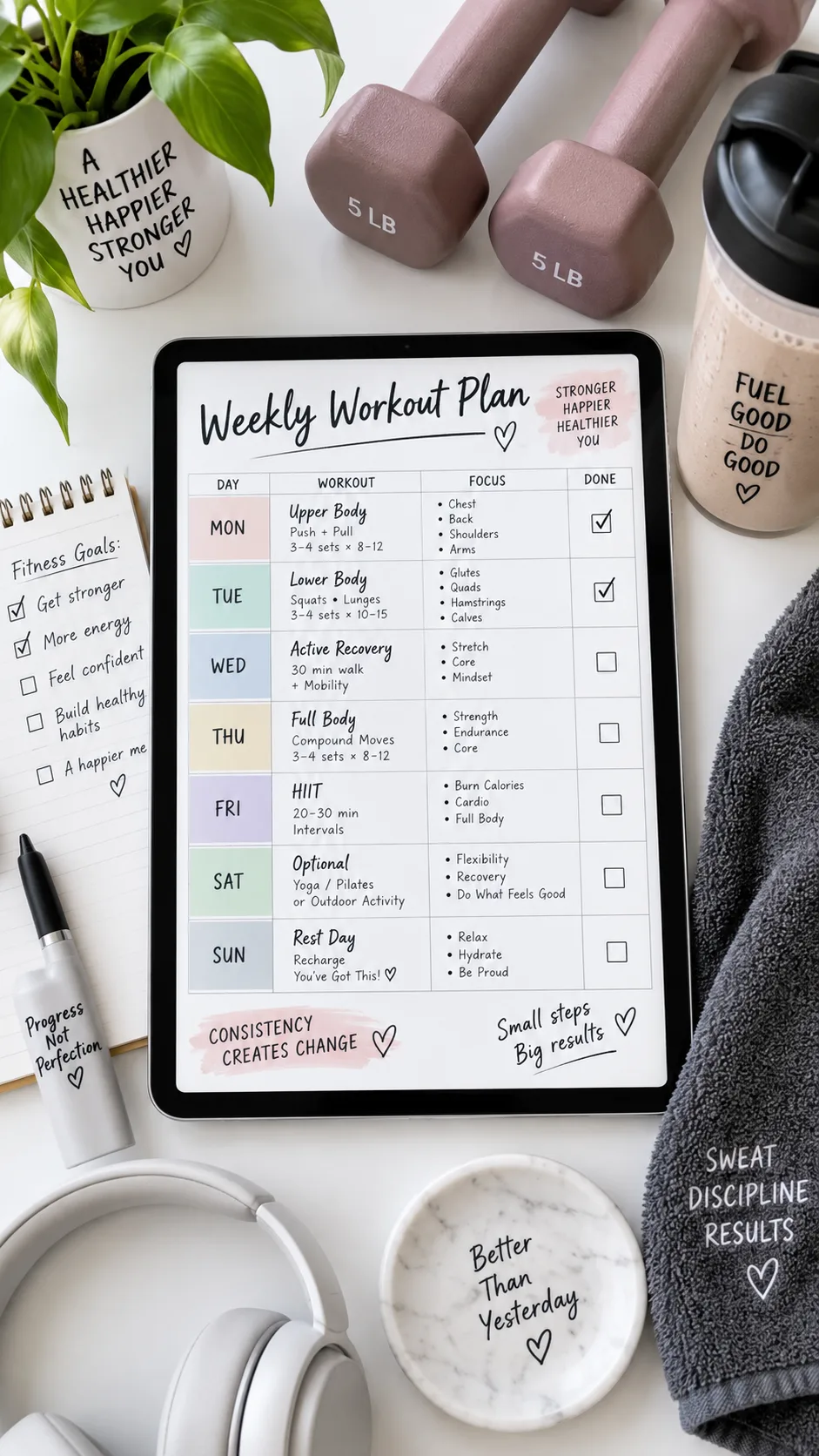
You don’t need to do all seven exercises every session. That’s a recipe for overtraining and soreness that makes putting on a seatbelt feel like an Olympic event. Instead, choose 3 to 4 exercises per workout and train your chest twice per week with at least 48 hours of rest between sessions.
Here’s a sample weekly split:
- Day 1 (Monday): Incline Dumbbell Press, Dumbbell Chest Fly, Standard Push-Up, Standing Cable Press. Focus on controlled reps and muscle connection.
- Day 2 (Thursday): Flat Dumbbell Chest Press, Decline Push-Up, Incline Push-Up, Dumbbell Chest Fly. Increase weight slightly or add 1 to 2 reps per set.
Want to build your chest training into a complete routine? This chest and back workout for women pairs pushing and pulling movements together for balanced upper body development, a strategy most trainers recommend for preventing injuries and postural imbalances.
Progressive overload: the real secret
Here’s the truth that separates women who see results from women who spend months spinning their wheels: you have to progressively increase the challenge. Your muscles adapt to stimulus. If you press the same 10-pound dumbbells for six months, your body stops responding after about week three.
Progressive overload doesn’t always mean adding weight, though. You can also:
- Add reps (go from 10 to 12, then 12 to 15)
- Add sets (progress from 3 sets to 4)
- Slow the tempo (take 3 to 4 seconds on the lowering phase)
- Reduce rest time (cut from 90 seconds between sets to 60)
- Increase range of motion (lower the dumbbells deeper on flys)
Research published in the Journal of Strength and Conditioning Research consistently shows that progressive overload is the single most important factor in building muscle and strength, regardless of gender. So track your workouts. Write down your weights, reps, and sets. Then beat those numbers regularly.
Common mistakes that kill your results
I’ve watched enough people at the gym (yes, I’m that person) to compile a greatest hits of chest workout mistakes. Avoid these and you’ll progress faster than 90% of people training around you.
- Flaring your elbows to 90 degrees during presses: This puts massive stress on your shoulder joint. Keep elbows at 45 degrees instead.
- Bouncing the dumbbells off your chest: Momentum steals tension from your muscles. Control the weight on the way down.
- Arching your lower back excessively: A slight arch is fine and natural. Turning yourself into a bridge? Not so much.
- Gripping too tightly: A death grip on the dumbbells fatigues your forearms before your chest gets enough work. Firm but relaxed.
- Ignoring your back muscles: Training chest without equally training your back creates forward-rounded shoulders. Balance is everything.
Nutrition and recovery: don’t skip this part
You can nail every rep of every exercise on this list, but if you’re eating like a college student during finals week, your results will suffer. Muscle growth requires adequate protein. Aim for roughly 0.7 to 1 gram of protein per pound of bodyweight daily. That’s the recommendation from most sports nutrition guidelines, and it works.
Sleep matters too. Your muscles don’t grow in the gym. They grow while you recover. Aim for 7 to 9 hours of quality sleep per night, and give your chest muscles at least 48 hours between direct training sessions. That’s not laziness; that’s science.
Hydration is the unglamorous third pillar. Dehydrated muscles contract less efficiently, which means weaker lifts and less stimulus for growth. Keep a water bottle nearby and sip throughout your workout.
How quickly will you see results?
Let’s set realistic expectations. If you train your chest consistently twice per week with progressive overload and proper nutrition, most women notice visible changes within 6 to 8 weeks. You’ll feel stronger within the first 2 weeks, because that’s your nervous system getting more efficient at recruiting muscle fibers.
The “lifted” appearance typically becomes noticeable around the 4 to 6 week mark. Full transformation? Give it 12 to 16 weeks of consistent work. That might sound like a long time, but those weeks pass whether you train or not. Might as well spend them building something you’re proud of, right?
Final thoughts: your chest deserves attention
Chest training for women isn’t a trend. It’s a missing piece in most women’s fitness routines. These seven exercises give you everything you need to build a firmer, stronger, more lifted upper body. You don’t need fancy equipment, a personal trainer, or two hours in the gym. You just need consistency and the willingness to challenge yourself a little more each week.
Start with the exercises that match your current level. Master the incline push-up and dumbbell chest press before worrying about decline push-ups. Build your foundation first, then layer in complexity. And most importantly, track your progress. Write it down. Celebrate the small wins.
Your future self, the one who stands taller, pushes harder, and feels genuinely confident in her own strength, is waiting. She’s not that far away. Now go warm up those pecs and get to work.
