
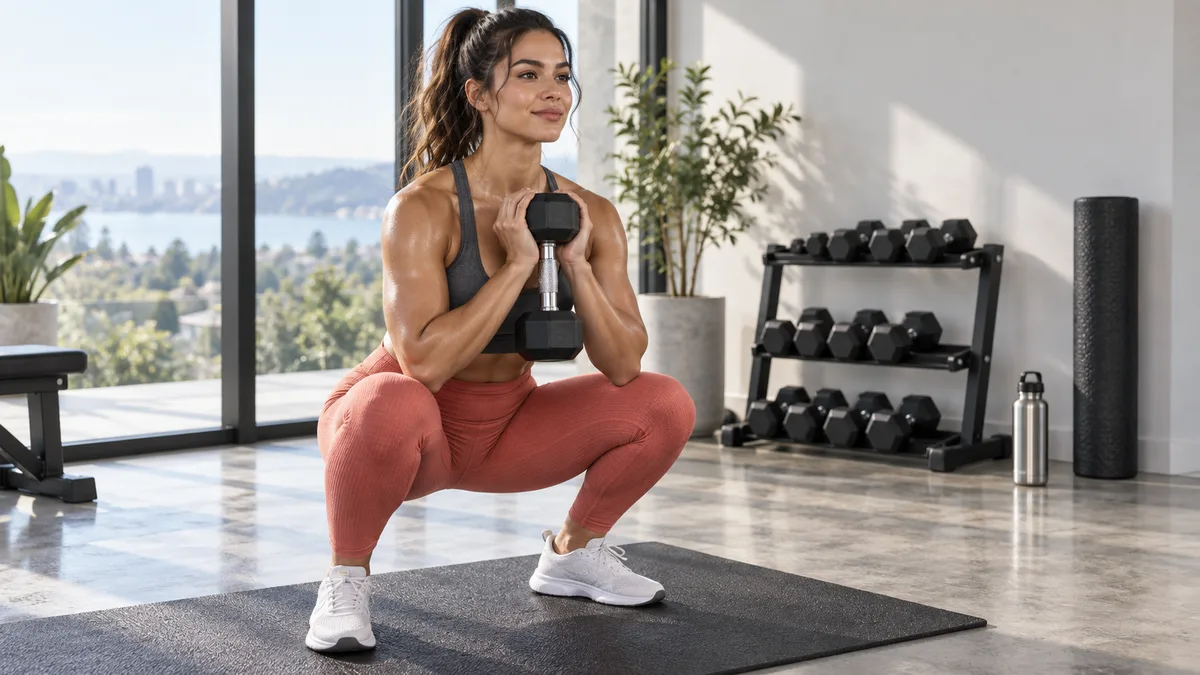
You don’t need 90 days to see real changes. You need one solid month of showing up, following a plan that makes sense, and not trying to become an Olympic athlete by Tuesday. A 1 month workout plan is the perfect reset whether you’re starting from scratch or getting back on track after falling off (we’ve all been there).
Here’s what most fitness content won’t tell you: the first four weeks aren’t about dramatic transformations. They’re about building the habit, learning movements properly, and proving to yourself that consistency isn’t some mythical trait reserved for fitness influencers. It’s something you can develop, one week at a time.
I’ve personally used a structured 4-week plan to climb out of multiple workout slumps, and every single time, the magic wasn’t in the exercises themselves. It was in having a roadmap that removed the daily “what should I do today?” paralysis. So let me share exactly what works.
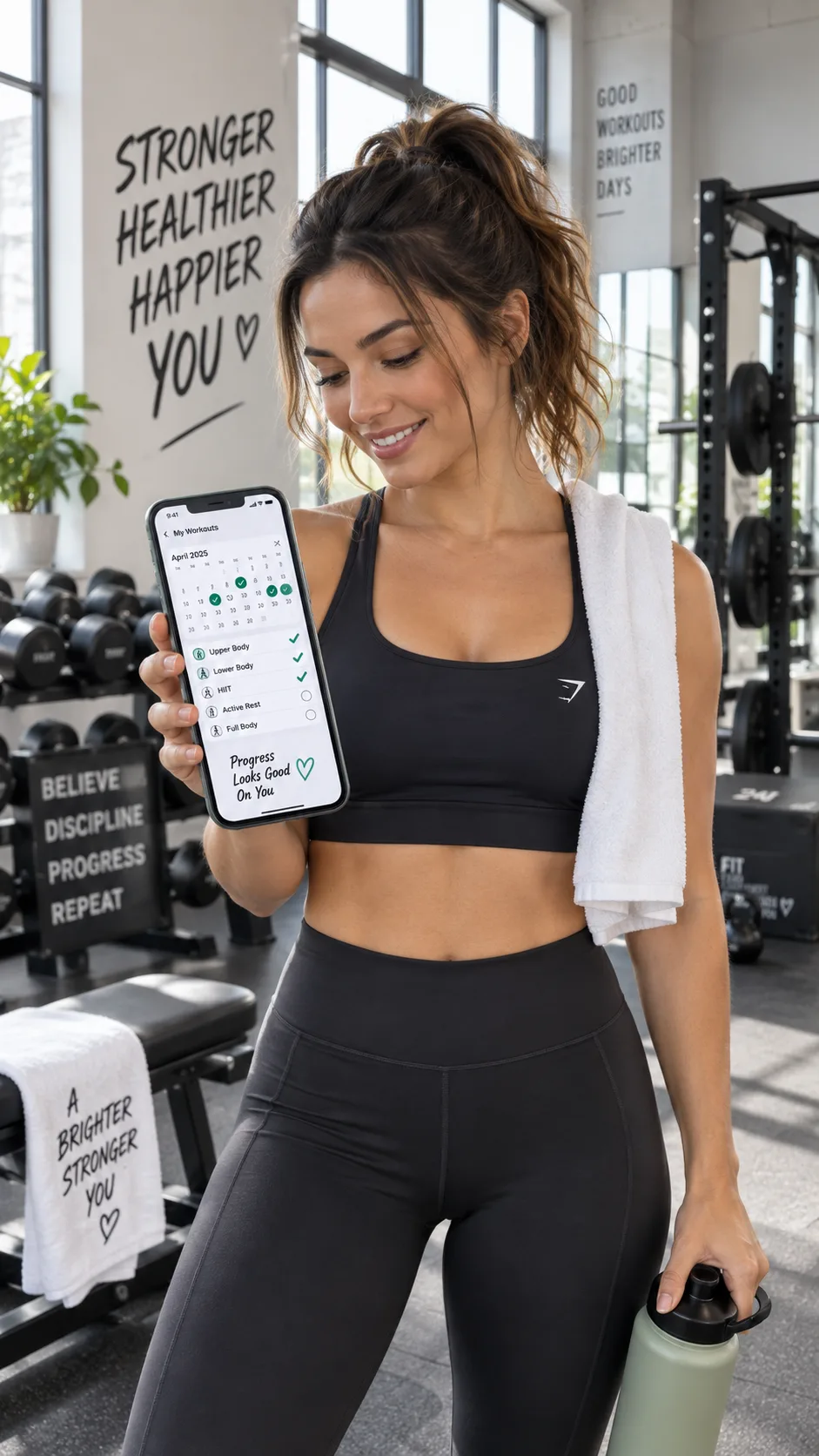
Why a 1 month workout plan works better than a 12-week program
Think about it. How many times have you started a 12-week program and abandoned it by week three? You’re not alone. Research from the European Journal of Social Psychology suggests it takes an average of 66 days to form a habit, but the first 30 days are where you lay the foundation.
A 1 month workout plan works because it’s psychologically manageable. Four weeks feels achievable. You can see the finish line from the starting block, and that alone keeps motivation higher than staring down three months of grind. Four weeks also gives you enough time to notice real, measurable progress: better endurance, heavier weights, improved energy, all without burning out.
Short-term plans also let you reassess and adjust. After 30 days, you know what exercises you love, what you hate, and how your body responds. That’s priceless information for designing your next phase of training.
The ground rules: setting yourself up to actually finish this
Before we get into the actual workouts, let’s establish some non-negotiables. These aren’t optional. They’re the difference between completing this plan and adding it to the graveyard of abandoned fitness attempts.
Rule 1: Pick your days and guard them
This plan calls for 4 training days per week with 3 rest days. Choose your days right now. Put them in your calendar. Treat them like appointments you can’t cancel, because honestly, you wouldn’t skip a dentist appointment, and your body deserves at least the same priority as your teeth.
Rule 2: Start lighter than your ego wants
Week 1 is NOT the time to prove anything to anyone. Choose weights you can control with perfect form for all prescribed reps. You should finish each set feeling like you had 2-3 reps left in the tank. Progressive overload happens in weeks 2 through 4. Patience pays dividends here.
Rule 3: Track everything
Write down your weights, reps, and how each session felt. A simple notes app works fine. This data becomes your secret weapon because you’ll see your numbers climb week over week, and that tangible proof of progress is more motivating than any Pinterest quote board.
The 4-week workout plan: full breakdown
This plan uses an upper/lower split, one of the most effective and research-backed training splits for building strength while allowing adequate recovery. You’ll train upper body twice and lower body twice each week. If you’re curious about alternative split options, check out this guide on the push pull legs workout plan for another excellent approach.
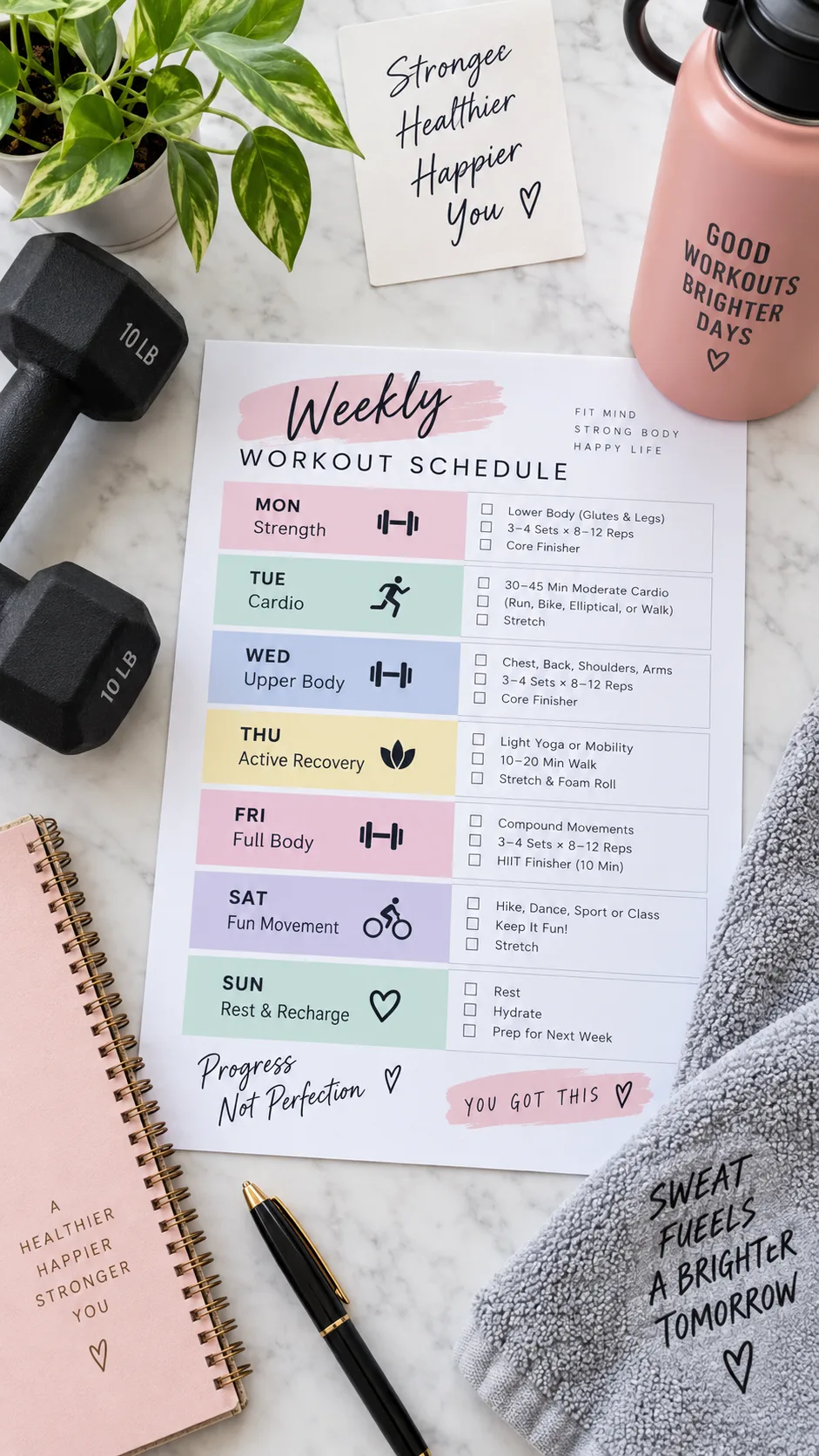
Weekly schedule overview
- Day 1 (Monday): Upper Body A
- Day 2 (Tuesday): Lower Body A
- Day 3 (Wednesday): Rest or light walking
- Day 4 (Thursday): Upper Body B
- Day 5 (Friday): Lower Body B
- Day 6-7 (Weekend): Rest, active recovery, or light cardio
Upper Body A: push focused
This session targets your chest, shoulders, and triceps while still hitting your back. Every compound movement here recruits multiple muscle groups, giving you the most results for your time.
- Dumbbell Bench Press — 3 sets × 10 reps
- Overhead Dumbbell Press — 3 sets × 10 reps
- Bent-Over Dumbbell Rows — 3 sets × 12 reps
- Incline Dumbbell Flyes — 2 sets × 12 reps
- Tricep Dips (bench-assisted) — 3 sets × 10 reps
- Plank Hold — 3 sets × 30-45 seconds
Rest 60-90 seconds between sets. Focus on controlling the lowering (eccentric) portion of each rep for at least 2 seconds. This time under tension drives muscle growth more effectively than rushing through reps like you’re late for brunch.
Want a deeper breakdown of upper body training with dumbbells? This full upper body dumbbell workout plan covers progressions and form cues in detail.
Lower Body A: quad and glute dominant
Lower body days are where the real strength building happens. Your legs and glutes contain the largest muscle groups in your body, and training them boosts your metabolism, improves posture, and builds functional strength you’ll actually use in daily life.
- Goblet Squats — 3 sets × 12 reps
- Romanian Deadlifts (dumbbells) — 3 sets × 10 reps
- Walking Lunges — 3 sets × 10 per leg
- Leg Press (machine) — 3 sets × 12 reps
- Glute Bridges (weighted) — 3 sets × 15 reps
- Calf Raises — 3 sets × 15 reps
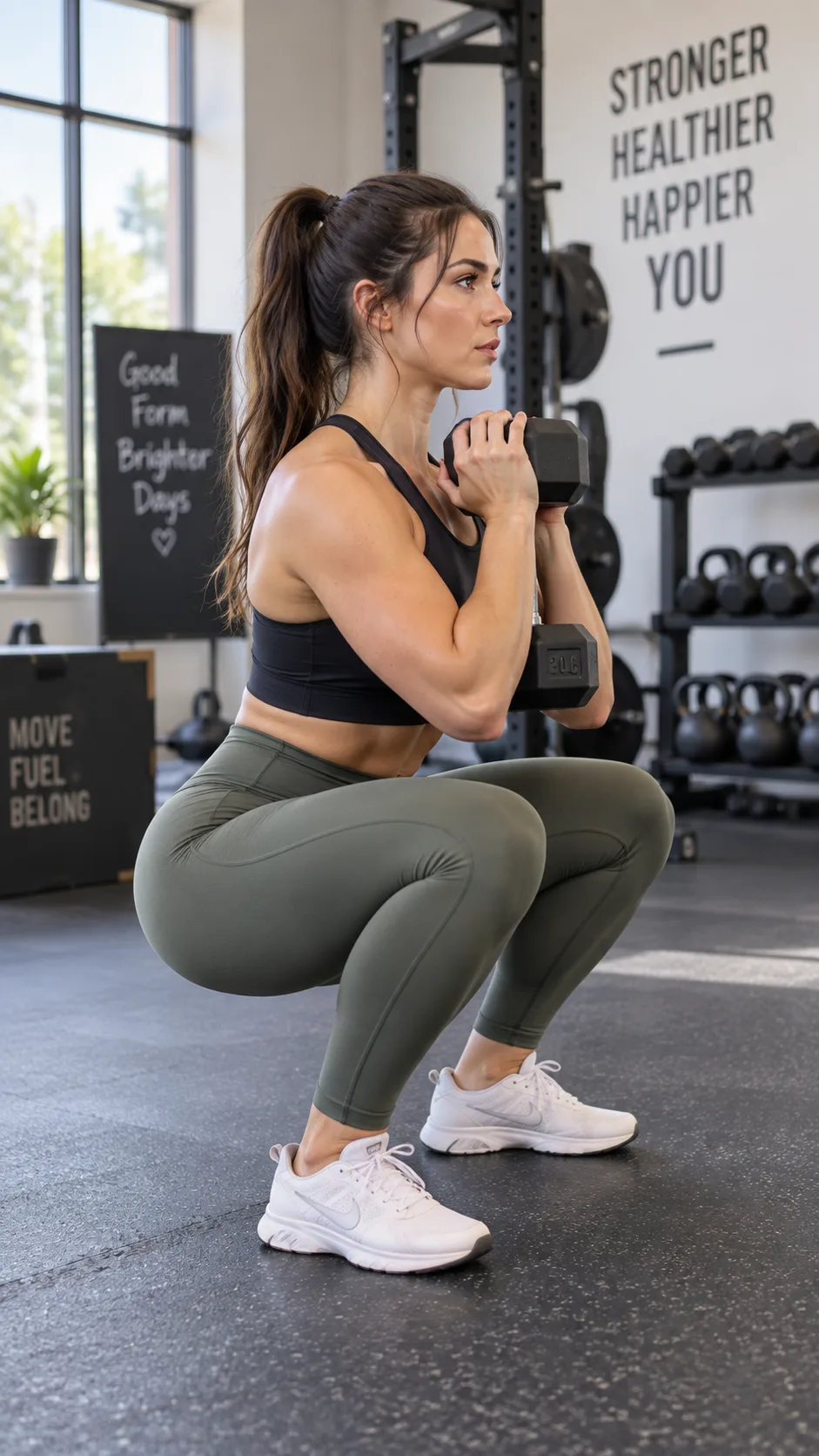
Pro tip: On goblet squats, push your knees out over your toes and sit DEEP. Half-reps build half-results. If mobility limits your depth, elevate your heels on small weight plates. This trick instantly improves squat depth for most people.
Upper Body B: pull focused
This second upper body session shifts emphasis to your back, biceps, and rear delts. Balancing push and pull movements across the week prevents the rounded-shoulder posture that plagues anyone who sits at a desk all day. Ever noticed how your shoulders creep forward after hours of typing? This session fights that.
- Lat Pulldowns — 3 sets × 10 reps
- Seated Cable Rows — 3 sets × 12 reps
- Dumbbell Shoulder Press — 3 sets × 10 reps
- Face Pulls (cable or band) — 3 sets × 15 reps
- Dumbbell Bicep Curls — 2 sets × 12 reps
- Dead Bugs — 3 sets × 10 per side
Face pulls are criminally underrated. They strengthen your rear delts and rotator cuff muscles, protecting your shoulders from injury as you progress to heavier weights. The American Council on Exercise recommends face pulls as one of the best exercises for shoulder health and posture correction.
Lower Body B: posterior chain and single-leg focus
This session hammers your hamstrings, glutes, and single-leg stability. Single-leg work corrects imbalances that bilateral exercises can mask. Your dominant leg won’t keep doing all the heavy lifting while the other side coasts. Most people have a significant strength difference between legs and don’t even realize it.
- Barbell or Dumbbell Deadlifts — 3 sets × 8 reps
- Bulgarian Split Squats — 3 sets × 10 per leg
- Hip Thrusts (barbell or dumbbell) — 3 sets × 12 reps
- Leg Curls (machine) — 3 sets × 12 reps
- Step-Ups (weighted) — 2 sets × 10 per leg
- Pallof Press — 3 sets × 10 per side
Bulgarian split squats will humble you. They’re supposed to feel awkward and challenging, and that means they’re working. Start with bodyweight only if you need to, and add dumbbells as your balance improves through the weeks.
The week-by-week progression strategy
Here’s where this plan separates itself from random workout lists you find on social media. Each week builds on the last through systematic progressive overload, the fundamental principle behind all strength gains.
Week 1: Learn and establish baselines
Use moderate weights. Focus entirely on form. Record every weight you use for every exercise. This week you’re building your foundation and teaching your nervous system the movement patterns. Don’t skip this step. Rushing ahead is how injuries happen.
Week 2: Add volume
Keep the same weights but add 1-2 reps to each set where possible. If you did 10 reps in week 1, aim for 11-12 in week 2. This small increase adds significant total volume across a full session without overwhelming your recovery capacity.
Week 3: Increase intensity
Bump up your weights by 5-10% and return to the original rep counts. This is the week where things start feeling genuinely challenging. You should finish your last set of each exercise feeling like you had maybe 1-2 reps left, not 5. This is also the week where most people feel a noticeable difference in how their body looks and moves.
Week 4: Push and test
Maintain your week 3 weights and try to add reps again. On your final session of the month, test your strength on the big lifts (squat, deadlift, bench press) by working up to a challenging set of 5. Compare these numbers to week 1. Prepare to feel pretty good about yourself 🙂

Recovery: the part everyone ignores (and then wonders why they’re not progressing)
Your muscles don’t grow during workouts. They grow during recovery. Ignore this and you’ll spend four weeks spinning your wheels while feeling increasingly terrible. Here’s your recovery checklist:
- Sleep 7-9 hours per night. Growth hormone release peaks during deep sleep. Skimping here sabotages everything else.
- Eat enough protein. Aim for 0.7-1 gram per pound of bodyweight daily. The National Strength and Conditioning Association recommends this range for individuals engaged in resistance training.
- Stay hydrated. Dehydration reduces strength output by up to 25%. Keep a water bottle glued to your hand.
- Manage stress. Chronically elevated cortisol actively interferes with muscle recovery. Even 10 minutes of daily meditation or deep breathing helps.
Rest days don’t mean sitting on the couch doing absolutely nothing (though sometimes that’s exactly what you need). Light walking, gentle stretching, or foam rolling on rest days improves blood flow to sore muscles and speeds recovery without adding training stress.
What to do about cardio during this plan
Should you add cardio? Yes, but don’t let it cannibalize your strength training. Two to three 20-30 minute sessions of moderate cardio per week (walking, cycling, swimming) complement this plan perfectly without creating excessive fatigue.
The ideal approach: do your cardio on rest days or after your strength sessions, never before. Fatiguing yourself with a 45-minute run before hitting the weights guarantees weaker lifts and compromised form. Strength work comes first. Always.
If fat loss is a primary goal alongside building strength, keep your cardio sessions varied. Mix in one HIIT session (15-20 minutes) and two steady-state sessions per week. This combination maximizes calorie burn while preserving the muscle you’re working so hard to build.
Common mistakes that derail a 1 month workout plan
I’ve watched people make the same mistakes over and over. Avoid these and you’ll already outperform 80% of gym-goers.
- Changing the plan mid-month. You saw a cool exercise on Instagram. Great. Save it for next month. Program hopping is the #1 killer of progress. Stick to the plan for all four weeks.
- Skipping warm-ups. Five minutes of dynamic stretching and light cardio before lifting prepares your joints, raises your core temperature, and significantly reduces injury risk. It’s not optional.
- Ignoring progressive overload. Doing the same weight for the same reps every session doesn’t challenge your body to adapt. Your muscles need a reason to grow stronger. Give them one.
- Overcomplicating nutrition. You don’t need a meal plan from a reality TV show. Eat enough protein, eat mostly whole foods, and stay in a slight caloric surplus if you want to build muscle or a slight deficit if you want to lose fat. That’s genuinely it.
- Comparing yourself to others. Someone else’s month 6 is not your month 1. Stay in your lane and focus on YOUR numbers going up.
What realistic results look like after 30 days
Let’s set honest expectations. After one month of consistent strength training with progressive overload, here’s what you can realistically expect:
- Strength increases of 10-30% on most major lifts (especially if you’re a beginner; newbie gains are REAL and glorious)
- Improved muscle tone and definition, particularly in your arms, shoulders, and legs
- Better posture and reduced daily aches, especially if you sit at a desk
- More energy and improved sleep quality
- A solidified workout habit that feels like part of your routine rather than a chore
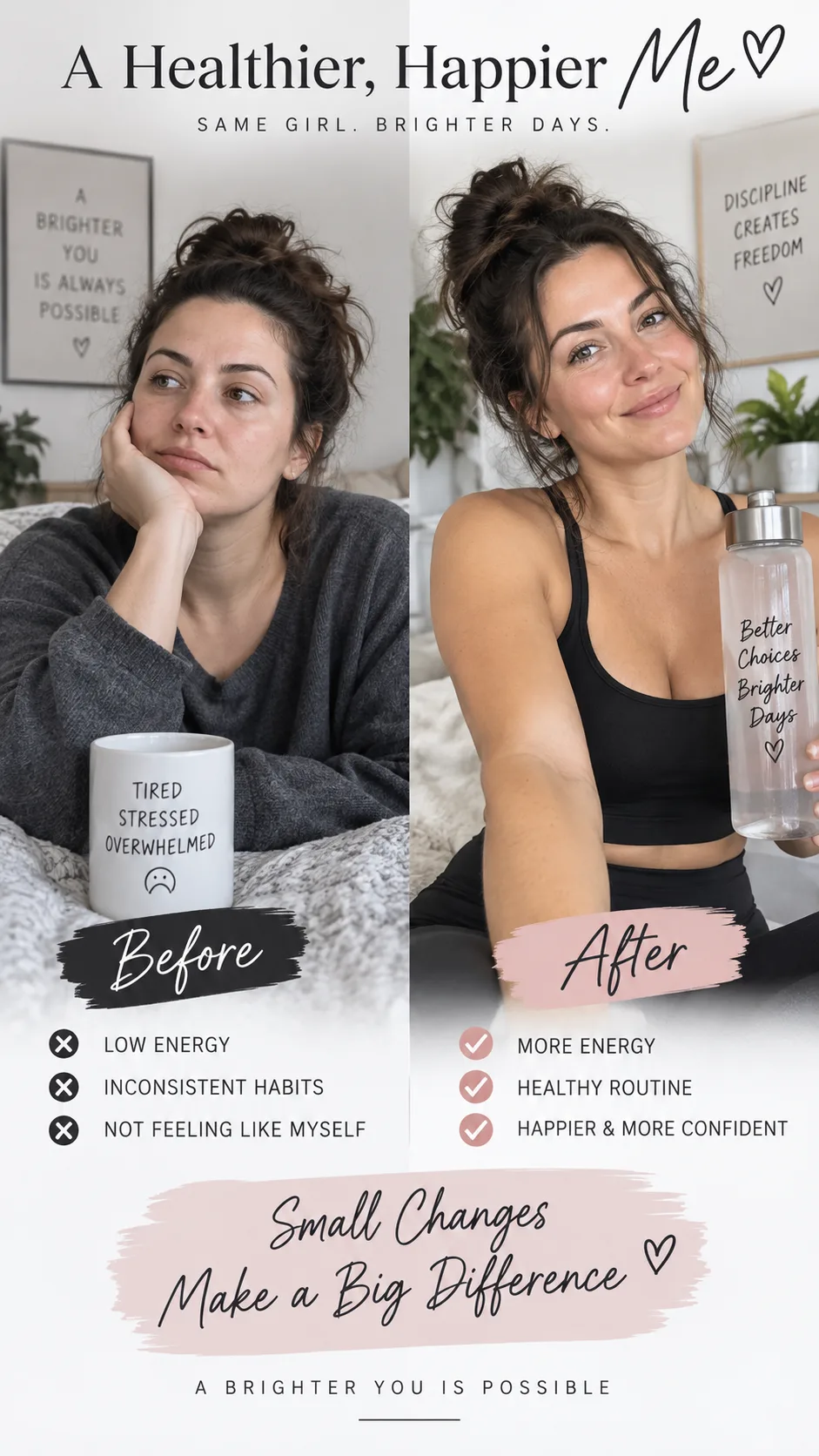
Will you look like a fitness model? No. But you’ll feel noticeably stronger, more confident in the gym, and (perhaps most importantly) you’ll have proven to yourself that you can follow through on a commitment. That mental shift alone is worth the entire month.
If you want to extend the momentum, consider following up with a 30-day workout challenge that builds on the strength base you’ve created.
After the month: what comes next?
Finishing this 4-week plan doesn’t mean you’re done. It means you’re ready to level up. You have several excellent options for your next training block:
- Repeat the plan with heavier weights and tighter rest periods
- Switch to a different split like push/pull/legs to increase training frequency per muscle group
- Add a fifth training day dedicated to weak points or focused core work
- Set a specific strength goal, like deadlifting your bodyweight or doing 10 unassisted pull-ups, and build your next month around that target
Here’s the real takeaway: fitness is built in blocks, not leaps. Each month builds on the last. The consistency you develop now becomes the engine that drives every future result.
Your month starts now
You have a complete, structured, progressive 1 month workout plan in front of you. No guesswork. No complicated equipment requirements. No unrealistic expectations. Just four weeks of smart training that builds real strength and, more importantly, builds the habit of showing up.
The best workout plan is the one you actually finish. This one is designed to be exactly that: challenging enough to produce results, manageable enough to sustain. Print it out, save it to your phone, write it on your bathroom mirror, whatever gets you to the gym on Day 1.
The hardest rep of this entire plan is the one where you put on your shoes and walk out the door for that first session. Everything after that is just momentum. So go build some.
