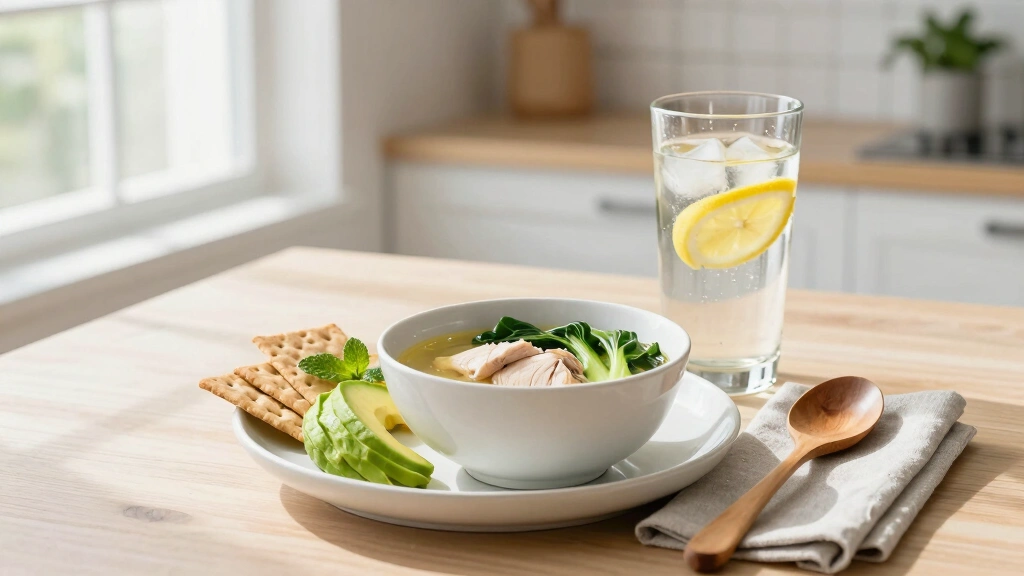
So, you finally got your Ozempic prescription, but now your stomach feels like a washing machine on the spin cycle? Don’t panic. You just need to tweak your plate to match your new digestive speed limit.
When you start taking semaglutide, your entire relationship with food changes overnight. That raging appetite disappears, which feels amazing, but it also means you must make every single bite count. If you eat the wrong things, your body will rebel with nausea, bloating, and fatigue. Ready to build a grocery list that actually works with your body? Let’s design a daily menu that keeps you energized without upsetting your stomach.
Why Your Current Diet Needs an Ozempic Makeover

Ozempic mimics GLP-1, a hormone that tells your brain you are full. It also slows down stomach emptying. **Ever wondered why that slice of pizza suddenly sits in your stomach for twelve hours?** That slow digestion explains the constant fullness, but it also triggers the dreaded side effects if you fill up on heavy, greasy foods.
Because you eat much less, you risk losing muscle mass along with fat. To prevent this, you must focus on nutrient-dense foods. IMO, planning your meals ahead of time makes all the difference between a successful week and a week spent hugging the bathroom tile. 🙂
The Golden Rules of an Ozempic Diet
Before look at specific recipes, you need to understand the basic pillars of eating on semaglutide. Think of these rules as your nutritional insurance policy.
1. Prioritize Lean Protein

Aim for at least 25 to 30 grams of protein per meal. Protein preserves your lean muscle tissue and keeps your metabolism firing. Choose chicken breast, turkey, fish, tofu, eggs, and low-fat Greek yogurt. The Best High-Protein Snacks for GLP-1 Users to Stay Full Between Meals covers the same topic from another angle.
2. Keep Fats to a Minimum
High-fat foods delay stomach emptying even further. When you pair heavy fats with Ozempic, you invite severe acid reflux and nausea. Swap butter and heavy oils for avocado spray, lemon juice, and herbs.

3. Eat Small, Frequent Meals
Forget the old advice about eating three giant meals a day. Your stomach simply cannot handle large volumes of food right now. Break your day into four or five micro-meals to avoid that uncomfortable, overstuffed feeling.
Breakfast Ideas That Won’t Make You Gag
You might wake up with absolutely zero appetite, which is totally normal on this medication. However, skipping breakfast completely often leads to low blood sugar crashes later in the day. Focus on light, protein-packed options to start your day right.
- Protein-Boosted Oatmeal: Cook half a cup of rolled oats in unsweetened almond milk. Stir in one scoop of vanilla whey or plant-based protein powder right after cooking, and top with a handful of fresh blueberries.
- Savory Egg White Scramble: Scramble three egg whites with one whole egg, a handful of spinach, and a sprinkle of low-fat feta cheese. Serve this with a single slice of toasted sprouted-grain bread.
- Greek Yogurt Parfait: Layer cup of non-fat, plain Greek yogurt with sliced strawberries and a tablespoon of chia seeds for healthy fiber.
Easy, Digestible Lunches for Busy Workdays
For lunch, you want something light enough to keep you awake but nutritious enough to fuel your afternoon. Avoid heavy carbs that cause sluggishness.
The Ultimate Shredded Chicken Bowl
Shred some rotisserie chicken breast (remove the skin to keep the fat low). Toss it with half a cup of cooked quinoa, diced cucumbers, cherry tomatoes, and a squeeze of fresh lemon juice. This meal packs over 30 grams of protein and digests incredibly easily.
Turkey and Hummus Wrap
Spread two tablespoons of classic hummus onto a high-fiber, low-carb tortilla. Add four slices of deli turkey breast, baby spinach, and sliced bell peppers. Roll it up tightly for a quick, portable lunch. High-Protein GLP-1 Meal Plan applies the same idea to meal planning.
Dinner Ideas to Keep Nausea Away
Keep your dinners simple, clean, and low in fat. Cook your evening meals at least three hours before you go to bed to prevent nighttime heartburn.
Sheet Pan Lemon Herb Cod
Place a fresh cod fillet on a baking sheet surrounded by asparagus spears and zucchini slices. Drizzle lightly with olive oil, season with garlic powder and dill, and bake at 400 degrees Fahrenheit for 15 minutes. White fish provides clean, easily digestible protein without the heavy fats of red meat.
Ginger-Soy Tofu Stir-Fry
Cube extra-firm tofu and pan-sear it with a cooking spray. Toss in broccoli florets, snap peas, and grated ginger. Drizzle with low-sodium soy sauce and serve over a small portion of brown rice. Ginger naturally calms the stomach, making this dinner perfect for injection day.
Smart Snacks for On-the-Go Energy
Keep snacks handy so your blood sugar does not tank. When you go too long without eating, nausea actually gets worse.
- Cottage Cheese and Pineapple: Half a cup of low-fat cottage cheese paired with pineapple chunks. Pineapple contains bromelain, an enzyme that aids digestion.
- Hard-Boiled Eggs: Keep a few hard-boiled eggs in the fridge. They provide a quick, self-contained dose of pure protein.
- Lupini Beans: These pickled beans offer high protein and fiber with almost zero fat.
A Sample 3-Day Ozempic Meal Plan
This simple schedule shows you how to structure your eating window. Adjust the portions based on your specific fullness cues.
- Day 1: Breakfast: Protein oatmeal with berries. Lunch: Turkey and hummus wrap. Snack: A protein shake made with water and half a banana. Dinner: Baked cod with asparagus.
- Day 2: Breakfast: Greek yogurt parfait. Lunch: Shredded chicken quinoa bowl. Snack: One hard-boiled egg with cucumber slices. Dinner: Ginger-soy tofu stir-fry.
- Day 3: Breakfast: Egg white scramble with one slice of toast. Lunch: Low-fat cottage cheese with pineapple and a side salad. Snack: A handful of raw almonds (keep the portion small!). Dinner: Grilled chicken breast with roasted carrots and mashed cauliflower.
Foods to Avoid on Your Semaglutide Journey
Sometimes, knowing what *not* to eat matters more than knowing what to eat. Keep these items out of your shopping cart to protect your digestion.
FYI, carbonated beverages will inflate your stomach like a balloon, causing instant discomfort. Fried foods, heavy cream sauces, and highly processed pastries will sit in your stomach for hours, fermenting and causing sulfur burps. **Who wants that?** Stick to whole, simple foods to keep your body happy.
Hydration: The Unsung Hero of Weight Loss
Ozempic suppresses your thirst drive along with your appetite. You must actively remind yourself to drink water throughout the day. Dehydration causes headaches, fatigue, and worsens constipation (a very common semaglutide side effect).
Aim for at least 80 ounces of water daily. If plain water bores you, add electrolyte powders, lemon slices, or fresh mint leaves. Sip your water slowly throughout the day rather than chugging giant glasses all at once, which can trigger nausea.
Listen to Your Body’s New Signals
You must unlearn the habit of clearing your plate. The moment you feel even slightly full, stop eating. Wrap up the leftovers for later. Pushing past that fullness cue on Ozempic guarantees physical discomfort.
Everyone reacts differently to semaglutide. Keep a food journal for the first few weeks to track which meals make you feel energized and which ones upset your stomach. With a little planning and the right ingredients, you can easily reach your health goals without the constant nausea.