

You pace the hallway at 2:00 AM. You sway, you bounce, and you shush. Yet, your baby continues to scream like a tiny, angry siren. You feel desperate, exhausted, and probably covered in spit-up. Welcome to the colic club.
Every breastfeeding parent eventually asks the same question: Did I eat something that hurt my baby’s tummy? The short answer is yes, your diet absolutely affects your breast milk. While doctors still debate the exact cause of colic, experienced parents know that certain foods trigger painful gas in infants.
This guide shares the ultimate anti colic breastfeeding diet. We will identify the sneaky foods causing those midnight crying fits and detail the safe, soothing ingredients you should add to your grocery cart today. Let us bring some peace back to your home.
The Midnight Cry: What Actually Causes Colic?
Before you throw away everything in your pantry, you must understand what you are fighting. Pediatricians define colic using the “Rule of Three.” If your healthy baby cries for more than three hours a day, more than three days a week, for more than three weeks, you have a colicky baby.
My first baby cried so loud and so long that our cat packed his imaginary bags and moved to the garage. I felt helpless. I realized that my baby’s immature digestive system simply could not handle some of the proteins passing through my breast milk. Their gut wall lets larger molecules pass through, which irritates their system and causes painful gas bubbles.
Does this mean you must live on cardboard and water? Absolutely not. But a few strategic tweaks to your daily meals can make a massive difference in your baby’s comfort.
Does Your Diet Actually Affect Your Breast Milk?
Some medical professionals claim that maternal diet has zero impact on breast milk. Frankly, we disagree. Real-world experience shows that babies react quickly to changes in their mother’s milk. Your bloodstream absorbs proteins from your gut, and then your mammary glands pull these proteins into your milk.
Ever wondered why your baby squirms after you eat a giant bowl of spicy chili? Your breast milk carries the flavors and compounds of your meals. While you do not need to restrict your diet completely, you should definitely watch out for the main culprits that disrupt baby digestion.
The Usual Suspects: Foods to Cut Right Now
If you want to start an elimination diet, you must target the most common triggers first. Cut these items from your meals for at least ten to fourteen days to see if your baby’s colic improves. FYI, you might miss cheese terribly during this phase, but sleep feels much better than cheddar. 🙂
1. Cow’s Milk and Dairy Products
Dairy wins the prize for the biggest colic trigger. Cow’s milk contains large proteins like casein and whey that easily pass into breast milk. Your baby’s gut cannot break down these complex proteins, which leads to severe bloating and fussiness. Cut out milk, cheese, butter, yogurt, and ice cream to test this trigger.
2. Excessive Caffeine
That third cup of coffee might keep you awake, but it also agitates your newborn. Your baby’s body processes caffeine incredibly slowly. While your adult liver clears caffeine in a few hours, your baby’s system takes days to process it. Keep your daily caffeine intake under 200 milligrams, roughly one standard cup of coffee.
3. Cruciferous Vegetables
Broccoli, cauliflower, cabbage, and Brussels sprouts contain complex sugars that cause gas in adults. When you digest these vegetables, your gut produces gas. Many breastfeeding mothers report a direct link between these veggies and a fussy, bloated baby. Swap these out for leafy greens like spinach or kale instead.
4. Soy Products
Unfortunately, many babies who react to dairy also react to soy. Soy proteins look very similar to dairy proteins under a microscope. Check your food labels closely, as manufacturers hide soy lecithin and soy protein in many processed foods.
What to Eat Instead: The Anti Colic Grocery List
Now that we cleared out the triggers, let us focus on what you can eat. You need nutritious, calorie-dense foods that support your milk supply while remaining gentle on your baby’s tummy.
Create your new meal plan around these safe, soothing foods:
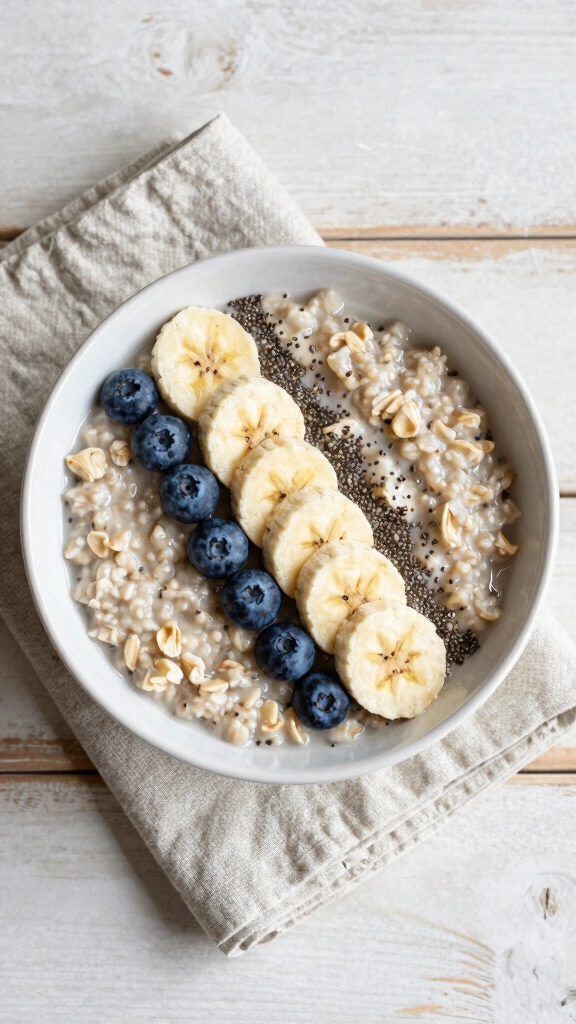
- Oatmeal: A classic milk booster that digests easily and rarely causes gas.
- Lean Proteins: Stick to chicken breast, turkey, and wild-caught salmon.
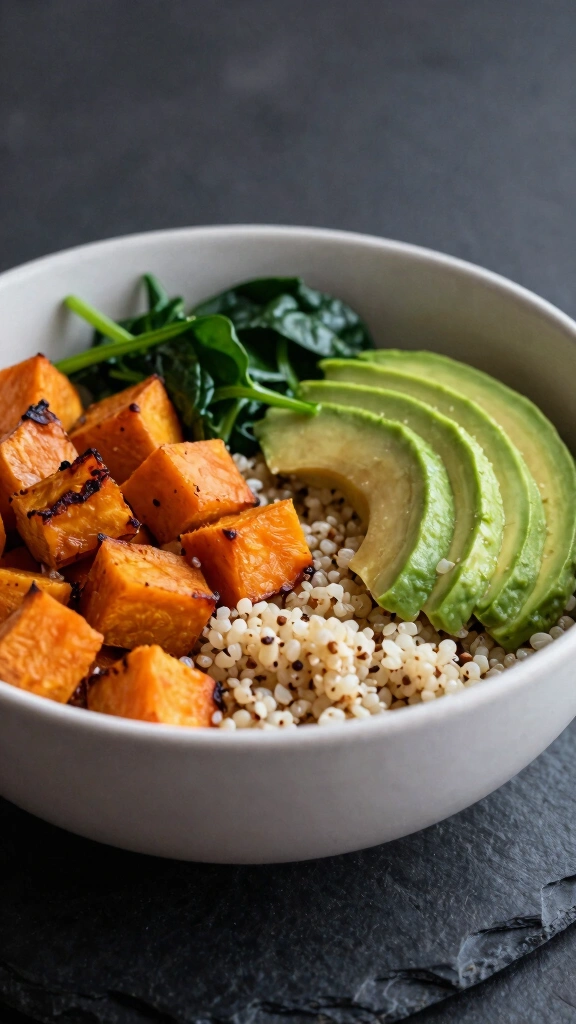
- Sweet Potatoes: Packed with vitamins and easy on the digestive tract.
- Healthy Fats: Avocados and olive oil provide the fats your baby needs for brain development without causing gut irritation.
- Brown Rice: A hypoallergenic carbohydrate source that keeps you full.
You can also drink fennel tea or chamomile tea. These herbs soothe your own digestion, and active compounds will pass through your milk to help relax your baby’s intestinal muscles.
How to Track Triggers: Your Breastfeeding Food Diary Guide
Do not guess which food upsets your baby. Instead, take a scientific approach. Keep a simple food diary on your phone or in a notebook to identify patterns.
- Write down everything you eat and drink: Include sauces, spices, and snacks.
- Track your baby’s mood: Rate their fussiness and gas levels on a scale of 1 to 10.
- Note the timing: Symptoms usually peak about 4 to 24 hours after you consume a trigger food.
- Eliminate and reintroduce: If you suspect a food, cut it out for two weeks. If the baby improves, try eating a small amount of that food again to see if the symptoms return.
This process takes patience, but it prevents you from unnecessarily restricting your diet. You need your strength to parent, so do not cut out healthy foods without proof.
Non-Diet Tips for Colic Relief
While diet plays a massive role, physical techniques also ease your baby’s discomfort. Sometimes gas gets trapped simply because your baby swallowed air during a feeding session.
Try these techniques to help your baby release trapped gas:
- The “Colic Carry”: Hold your baby face down along your forearm, resting their head near your elbow. Put gentle pressure on their tummy with your arm.
- Bicycle Legs: Lay your baby on their back and gently move their legs in a cycling motion toward their chest.
- Warm Baths: Warm water relaxes abdominal muscles and distracts a crying infant.
Watch this video to learn the best massage techniques for relieving baby gas and colic:
When to Seek Professional Medical Help
IMO, parents should always trust their instincts. Most colic resolves itself by month four, but sometimes underlying medical issues require a doctor’s attention.
Consult your pediatrician immediately if you notice any of these warning signs:
- Blood or mucus in your baby’s stool.
- Projectile vomiting or poor weight gain.
- A fever above 100.4 degrees Fahrenheit.
- Crying that sounds like pain rather than fussiness.
These symptoms can point to a true cow’s milk protein allergy (CMPA) or gastroesophageal reflux disease (GERD). Your doctor can help you navigate these conditions safely.
Summary: You Will Get Through This
Colic tests your patience and your sanity, but it will pass. By adopting an anti colic breastfeeding diet, you actively help your baby navigate their first few months of life with less pain.
Start by cutting out dairy and tracking your meals. Keep your meals simple, stay hydrated, and give yourself grace. You are doing a fantastic job, and quieter nights are just around the corner.
