35 People Share Comparison Pics Of Their Before-And-After “glp1 before and after face”…
#1

Image source: ?GloryGlo?
#2
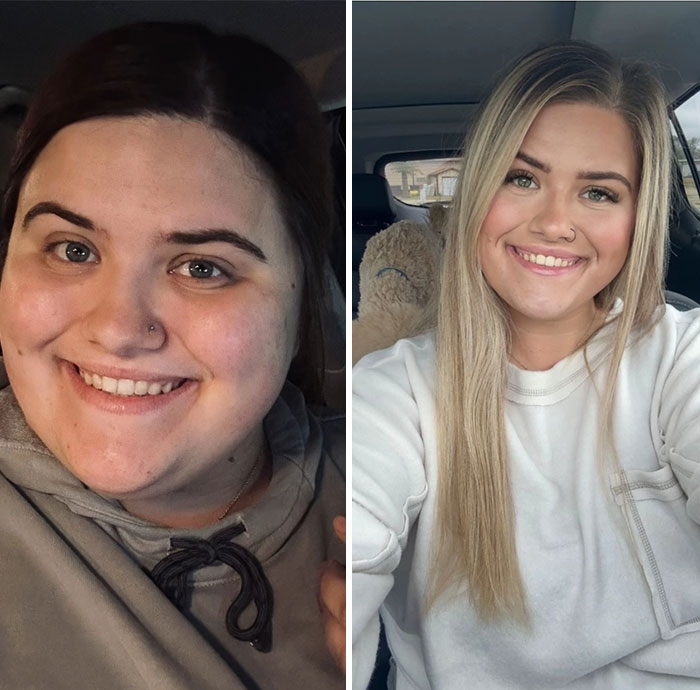
Image source: kmmcclure21
#3
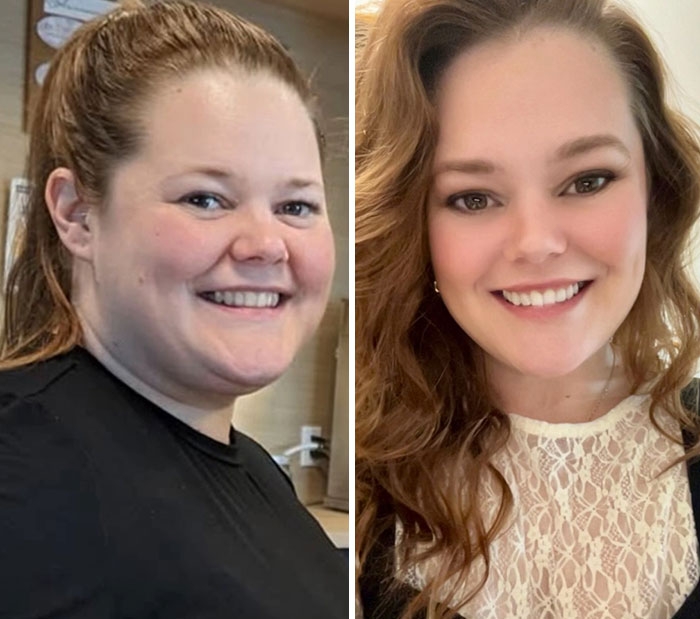
Image source: Shannon
#4
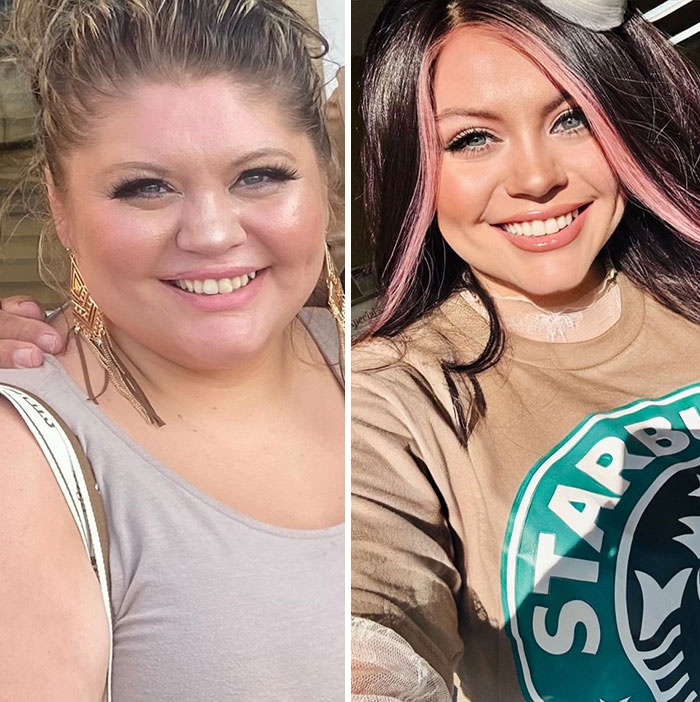
Image source: itsmaceyxo0
#5

Image source: brookemakaylab
#6
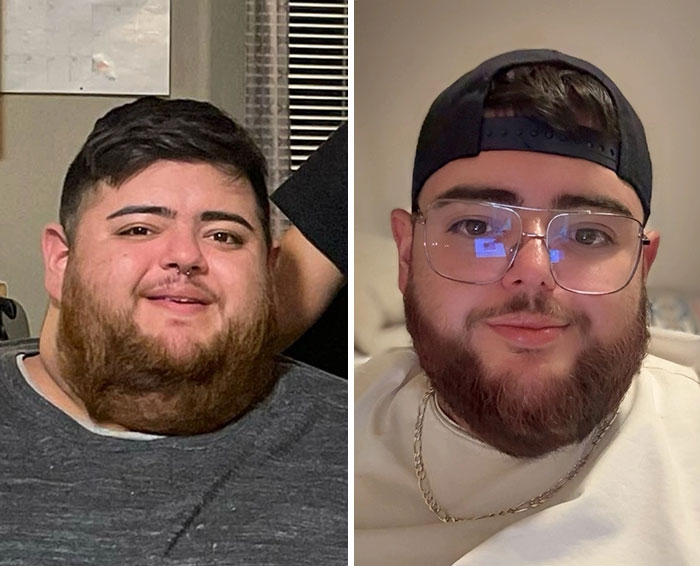
Image source: Javy
#7
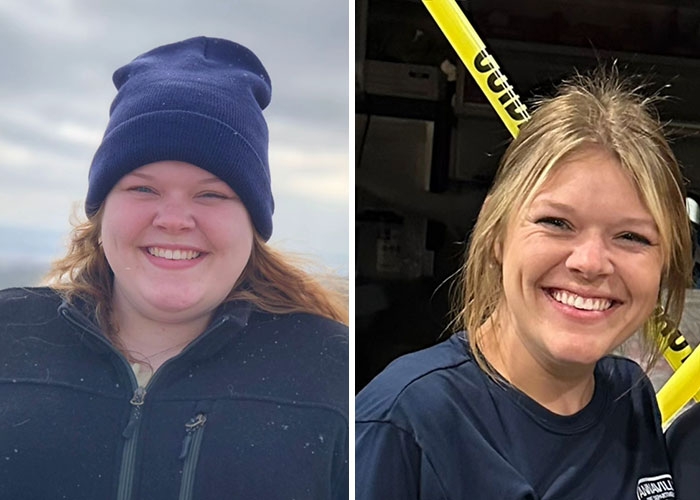
Image source: Caitlin Bradshaw
#8
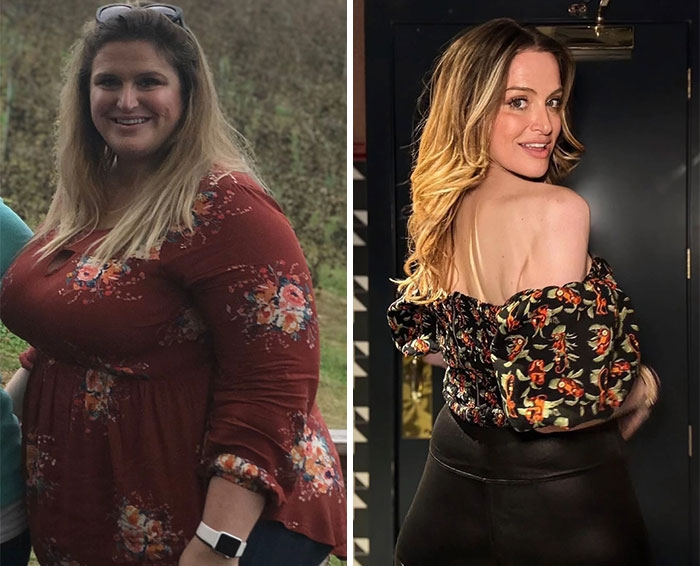
Image source: Katherine Cares
#9
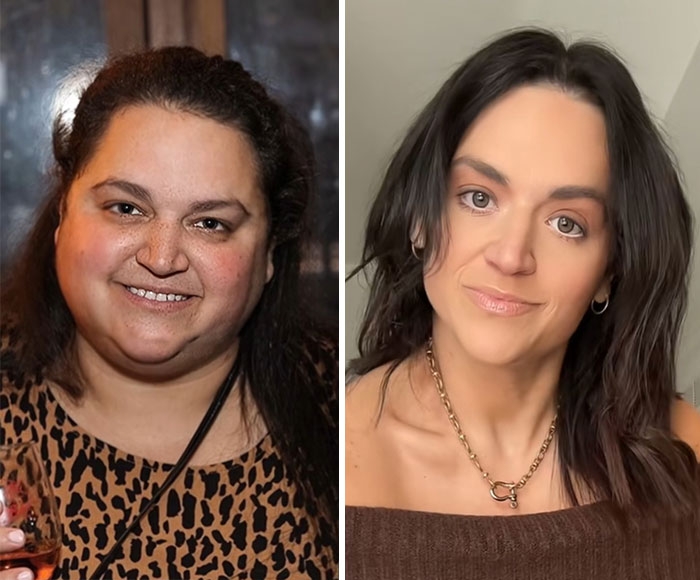
Image source: amyinhalf
#10

Image source: Chanel??
#11
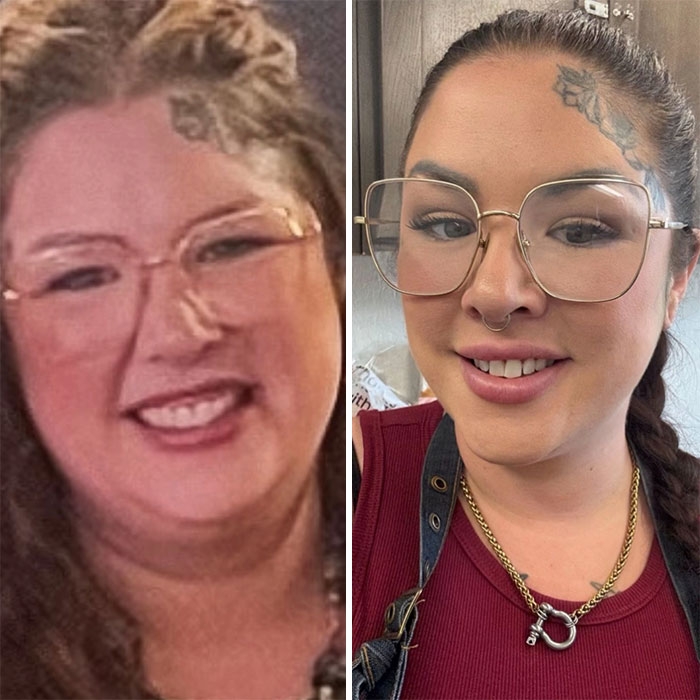
Image source: Sara Sue
#12

Image source: Vanessa and Lawrence
#13
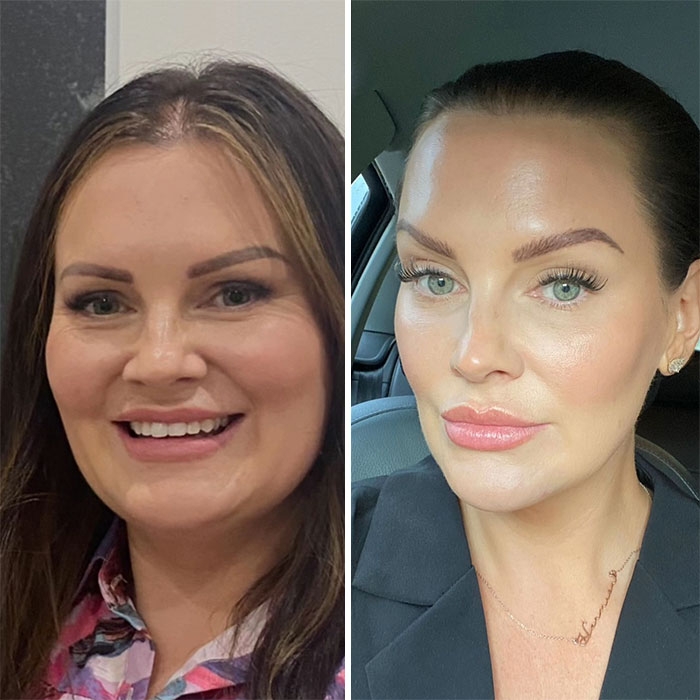
Image source: ceoofwieiad
#14

Image source: BingShing?
#15
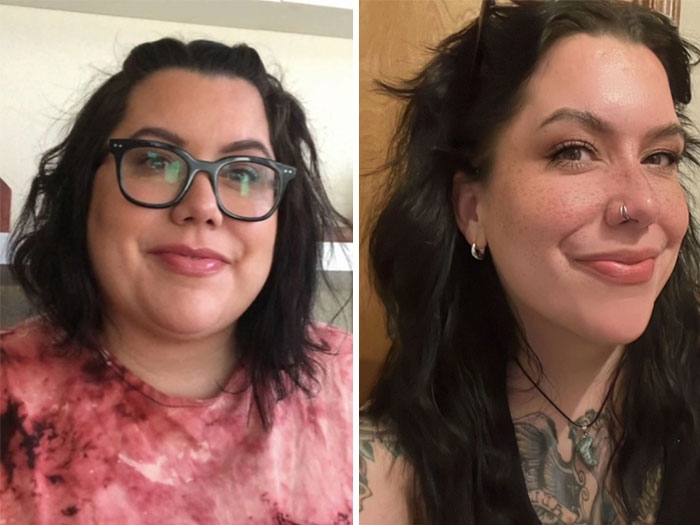
Image source: hella._.hannah
#16
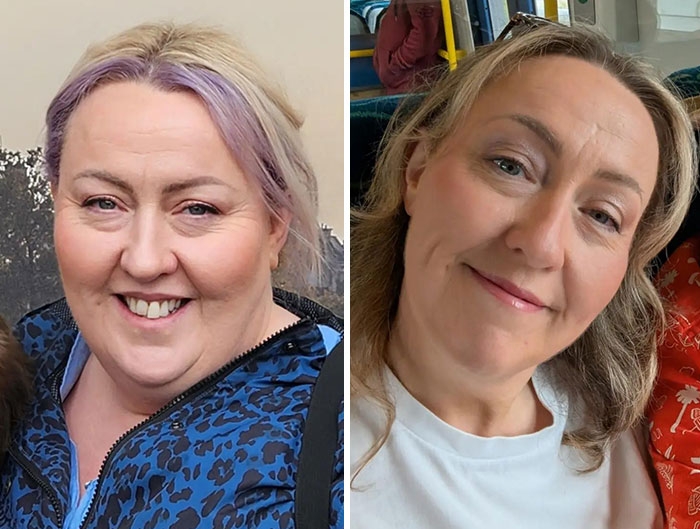
Image source: kellymolly31
#17
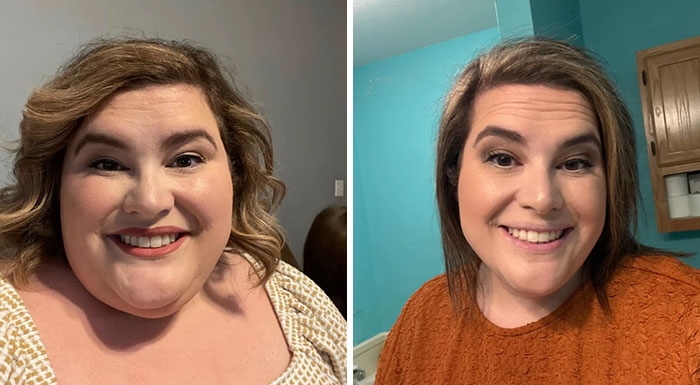
Image source: Caroline Baker
#18

Image source: lifeafterthe_jab
#19

Image source: BrittD007
#20
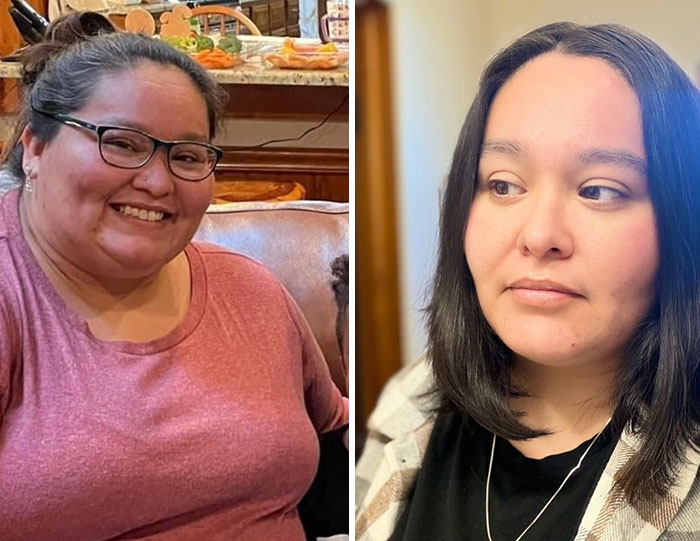
Image source: victoria.loses
#21

Image source: Brandy Burnett
#22
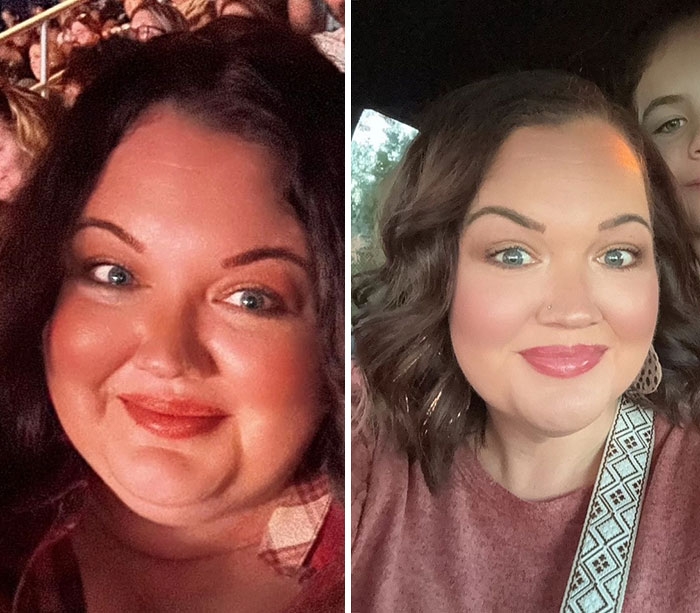
Image source: Brandi Fincher
#23
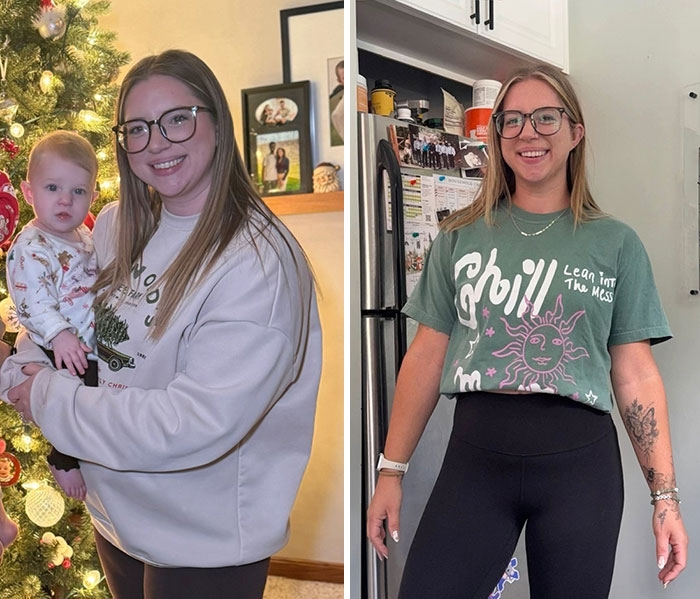
Image source: Kendall | healthy mom life
#24

Image source: jholden3
#25
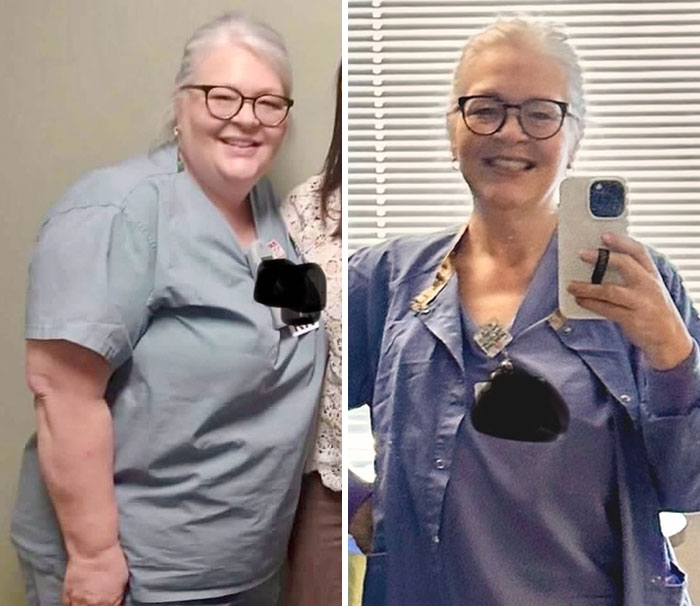
Image source: jennsouth
#26

Image source: ChelseaMarie
#27
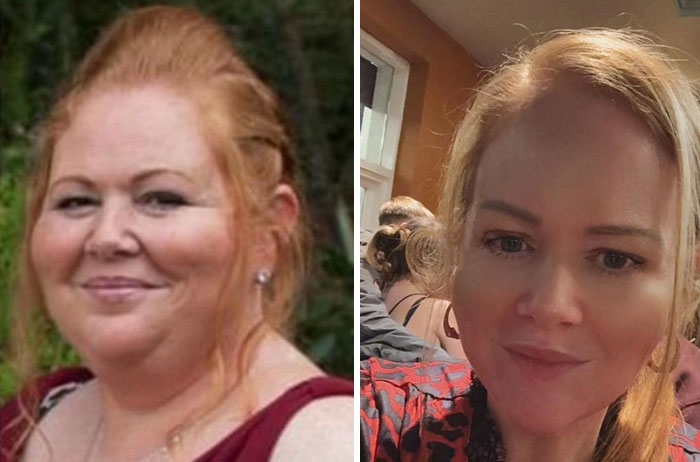
Image source: Lyndsay Jane
#28
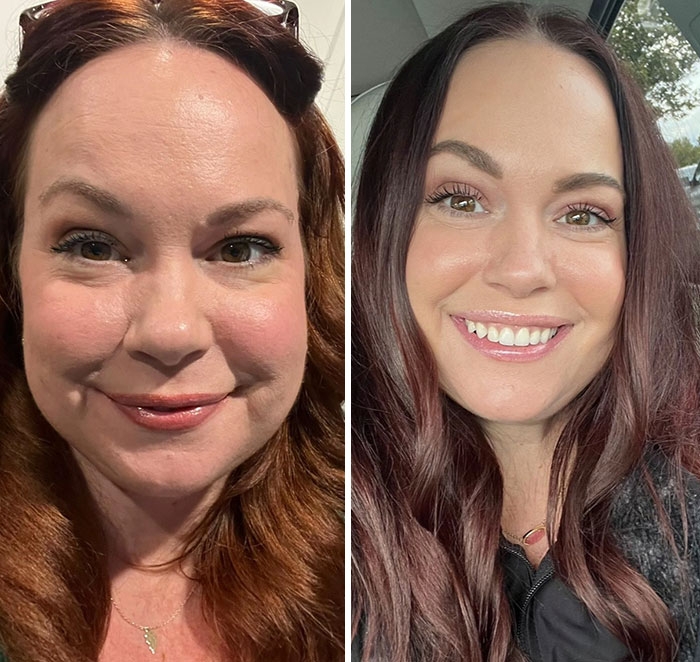
Image source: strivewithtrae
#29

Image source: Jaimie
#30
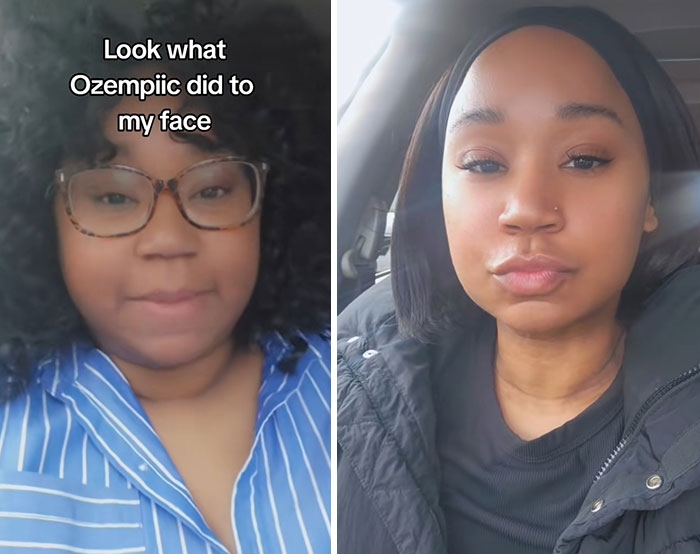
Image source: terrikrishawn
#31
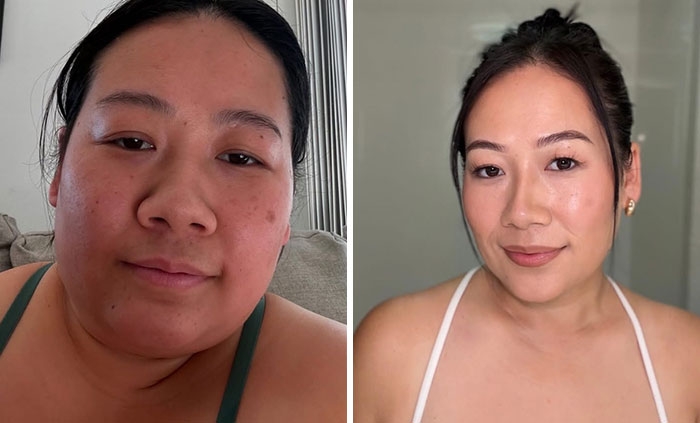
Image source: withpader
#32
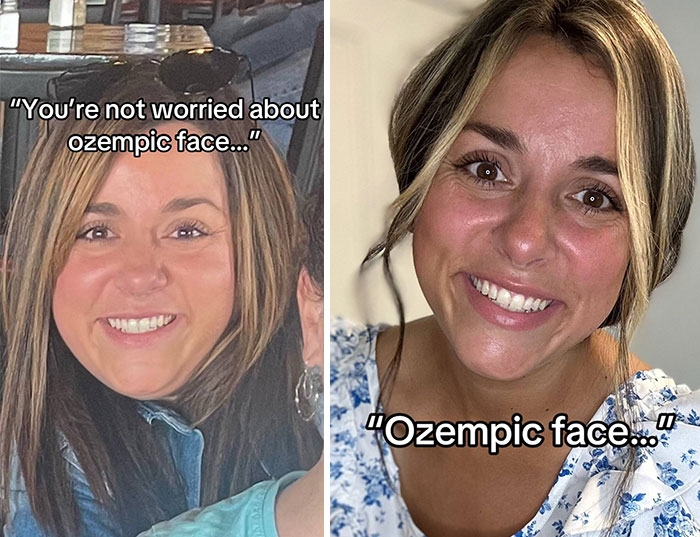
Image source: ellnesswithshawna
#33
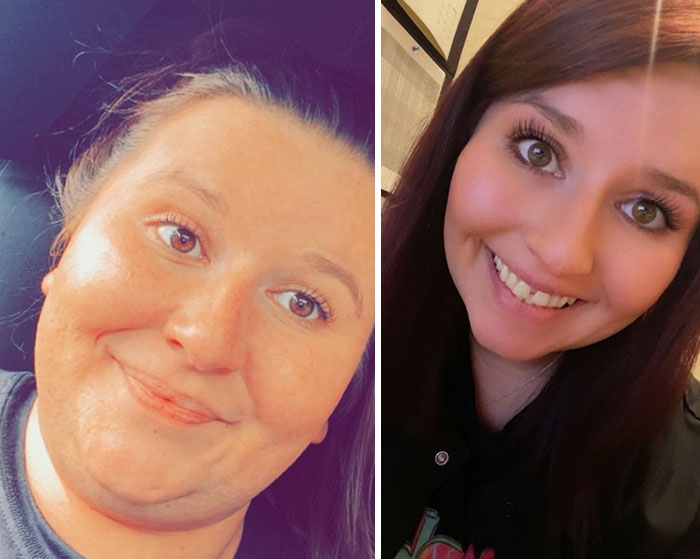
Image source: Katie Loyd
#34
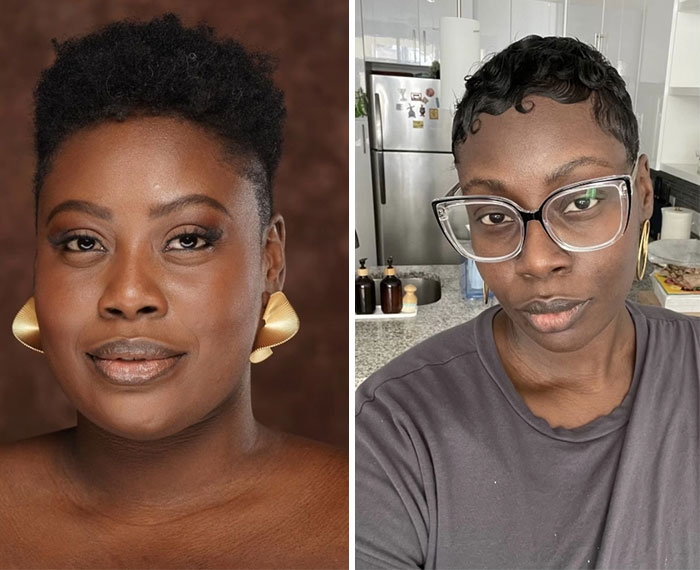
Image source: Acinnamontaste
#35

Image source: Alejandra Sánchez
What facial changes during GLP-1 weight loss can mean
“GLP-1 face” is an informal internet phrase, not a medical diagnosis or a side effect unique to one medicine. When a person loses a substantial amount of weight, the face may lose some of the fat that previously supported the cheeks, temples and area around the mouth. Skin does not always contract at the same pace. The result can be a temporarily hollow, tired or looser appearance, especially after rapid loss or in people whose skin has less elasticity. Best Natural GLP-1 Supplements That Support Weight Loss Without a Prescription covers the same topic from another angle.
The medication itself cannot be identified from a photograph. Ageing, lighting, camera angle, hydration, illness, stress, sleep, dental changes and ordinary differences in expression can all alter how a face looks. Before-and-after photographs also do not show dose, treatment duration, starting health, total weight change or whether the images were edited. They should therefore be viewed as illustrations of possible appearance changes, not proof of what a medicine will do for another person.
Why the rate of weight loss matters
Body composition changes during weight loss are not limited to fat. Lean tissue and body water can change too, while skin adaptation takes time. A prescriber may review the rate of loss, food intake, nausea or vomiting, hydration and strength to make sure treatment remains appropriate. Adequate protein, resistance exercise where medically suitable, sleep and a varied diet support general health, but no food, supplement or facial exercise can guarantee that loose skin or volume loss will be prevented. Easy High-Protein GLP-1 Meals to Preserve Muscle While You Lose Weight covers the same topic from another angle.
Do not change a prescribed dose, stop treatment suddenly or add supplements because of a photograph or social-media comparison. Discuss unwanted appearance changes with the prescribing clinician. A dermatologist or appropriately qualified cosmetic professional can explain options, expected timing, costs and risks if the change remains concerning after weight has stabilised.
How to assess before-and-after images responsibly
- Check whether the dates, timeframe and total weight change are stated.
- Look for comparable lighting, distance, camera angle, expression and makeup.
- Do not assume a pictured result was caused only by medication.
- Treat testimonials as individual experiences rather than typical outcomes.
- Prioritise health markers and clinician monitoring over appearance alone.
Contact a healthcare professional promptly for persistent vomiting, inability to keep fluids down, severe or ongoing abdominal pain, symptoms of dehydration, or any other serious reaction. This page is educational and cannot assess whether a GLP-1 medicine is safe or suitable for an individual.
Keep comparisons private and consistent
If you document your own progress, use the same camera distance, lens, lighting, facial expression and time of day. Store photographs privately unless you have considered how they may be copied or reused. A written record of symptoms, nutrition, strength and clinician feedback usually provides more useful health context than appearance photographs alone.