
Did you step on the scale this morning and celebrate a new low? If you take Ozempic, Wegovy, or any other GLP-1 medication, you probably love watching those numbers drop. But let me ask you a critical question: do you actually know what you are losing?
When the scale drops rapidly, you are not just shedding fat stores. You are also losing valuable muscle tissue, which can damage your metabolism over time. If you ignore your protein intake, you risk ending up with a sluggish metabolism and a soft, weak physique. IMO, that is a compromise you do not need to make. :/
Today, we will discuss how to eat high-protein meals that protect your muscle, accelerate your fat loss, and keep your body healthy. You can easily hit your nutritional goals even when you have zero appetite.
Why GLP-1 Medications Make You Lose Muscle
To understand why muscle loss happens, you must understand how these drugs work in your body. Ozempic mimics a natural hormone called glucagon-like peptide-1 (GLP-1). This hormone targets the areas of your brain that regulate appetite and food intake.
It also slows down gastric emptying. Because food remains in your stomach for a longer duration, you feel full on a fraction of the calories. While this helps you shed fat, it creates a nutritional bottleneck. You simply cannot eat enough food to meet your basic protein needs unless you plan your meals with extreme precision.
When you eat in a massive calorie deficit, your body looks for quick energy. Unfortunately, it goes after muscle tissue just as easily as fat stores. A high-protein diet prevents this muscle wasting by supplying a constant stream of amino acids to your muscles.
The Danger of Sarcopenic Weight Loss
Doctors use the term “sarcopenia” to describe muscle wasting. Usually, this condition affects elderly populations. However, rapid weight loss from GLP-1 medications can trigger a form of acute sarcopenia in adults of any age.
If you lose 20 pounds on Ozempic, and 8 of those pounds come from muscle tissue, you have compromised your physical strength. You might find daily tasks like carrying groceries or climbing stairs more difficult. Furthermore, muscle tissue plays a critical role in insulin sensitivity. Losing muscle makes it harder for your body to manage blood sugar levels, which contradicts one of the main reasons people take these medications in the first place. Easy High-Protein GLP-1 Meals to Preserve Muscle While You Lose Weight covers the same topic from another angle.
Years ago, I made the classic mistake of cutting my calories too low without tracking my protein. I watched the scale drop, but my physical strength vanished. I could barely lift my grocery bags. Once I prioritized protein, my energy returned and my body shape transformed. You can avoid my mistake by focusing on your protein intake from day one.
How Much Protein Do You Actually Need?

How much protein should you consume daily? Most clinical dietitians recommend eating at least 1.2 to 2.0 grams of protein per kilogram of body weight. If you weigh 150 pounds (about 68 kilograms), you should aim for 80 to 135 grams of protein daily.
If that target sounds impossible due to your suppressed appetite, do not panic. You do not need to eat massive steaks. Instead, aim for 30 grams of protein at every meal and use high-protein snacks to bridge the gap. Spacing out your intake allows your body to absorb the amino acids efficiently.
Easy High-Protein Breakfast Ideas
Ozempic often causes morning nausea. Skip the heavy, greasy breakfast options and choose light, protein-packed meals instead.
1. The Savory Cottage Cheese Bowl
Cottage cheese offers an incredible protein-to-calorie ratio. Yes, even if you dislike the texture, you can blend it smooth to make a delicious base. One cup of low-fat cottage cheese contains 28 grams of protein and only 160 calories.
- Prep time: 5 minutes
- Macros: 280 calories, 28g protein, 8g fat, 12g carbs
- Directions: Top one cup of cottage cheese with cucumbers, cherry tomatoes, a drizzle of olive oil, and everything bagel seasoning.
2. The Triple-Egg Scramble
Whole eggs provide vitamins, but they contain a lot of fat, which can trigger acid reflux on Ozempic. Mix one whole egg with three-quarters of a cup of liquid egg whites to solve this problem.
- Prep time: 10 minutes
- Macros: 250 calories, 30g protein, 6g fat, 5g carbs
- Directions: Scramble the egg and egg whites in a non-stick pan with baby spinach and a sprinkle of feta cheese.
3. The Berry-Protein Smoothie
When solid food sounds repulsive, drink your breakfast. Whey isolate protein powder contains almost zero lactose, making it easy on your sensitive digestive tract.
- Prep time: 3 minutes
- Macros: 310 calories, 32g protein, 7g fat, 18g carbs
- Directions: Blend one scoop of whey isolate, one cup of unsweetened almond milk, half a cup of frozen blueberries, and a tablespoon of almond butter.
Satisfying Lunches That Fight Muscle Waste
Lunch on Ozempic needs to be portable, easy to digest, and packed with lean protein. Avoid heavy oils that slow down your stomach even further.
1. Greek Yogurt Chicken Salad
Mayonnaise causes severe heartburn for many GLP-1 users because high-fat foods sit in the stomach for too long. Swap the mayo for plain, non-fat Greek yogurt to keep things light. High-Protein GLP-1 Meal Plan applies the same idea to meal planning.
- Prep time: 10 minutes
- Macros: 290 calories, 35g protein, 5g fat, 10g carbs
- Directions: Mix shredded chicken breast, Greek yogurt, diced celery, and a squeeze of lemon juice. Serve it inside butter lettuce cups.
2. Turkey and Swiss Lettuce Wraps
Deli meat offers a quick solution when you lack the energy to cook. Six slices of turkey and one slice of Swiss cheese provide a massive dose of protein.
- Prep time: 5 minutes
- Macros: 320 calories, 35g protein, 12g fat, 6g carbs
- Directions: Grab high-quality deli turkey breast and roll it up with Swiss cheese and mustard inside large romaine lettuce leaves.
3. Sesame Edamame and Tuna Salad
Canned tuna is incredibly convenient and packed with lean protein. Edamame adds fiber, which keeps your digestion regular on Ozempic.
- Prep time: 8 minutes
- Macros: 340 calories, 40g protein, 8g fat, 15g carbs
- Directions: Mix one can of drained tuna with half a cup of shelled edamame, cucumber slices, and a light soy dressing.
Muscle-Preserving Dinner Recipes
Dinner should focus on lean meats and cooked vegetables. Raw vegetables can feel too heavy and cause bloating when your digestion slows down.
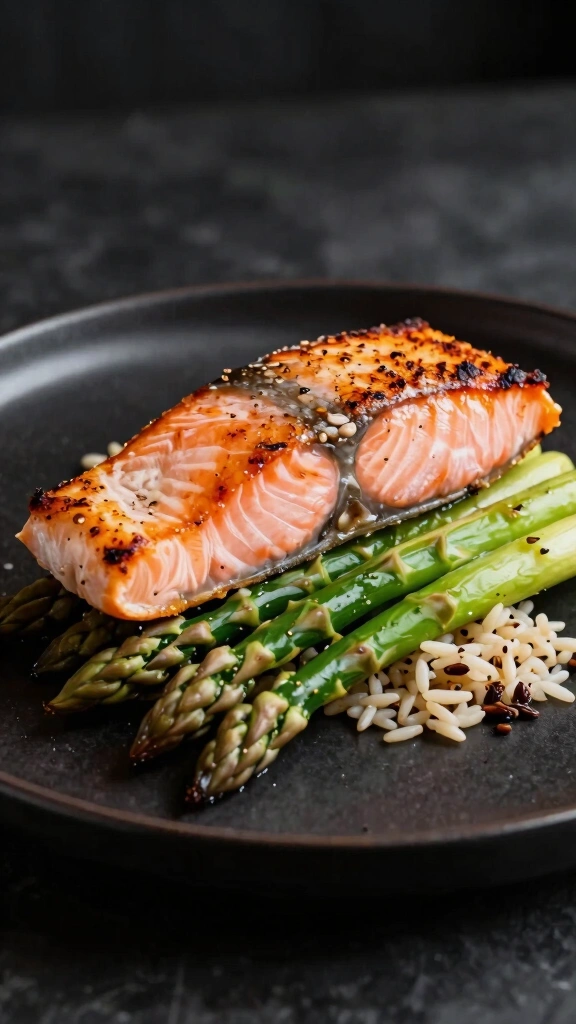
1. Air-Fryer Herb Salmon
Salmon contains omega-3 fatty acids, which reduce inflammation and support your heart. Pair it with steamed broccoli to get a dose of fiber.
- Prep time: 15 minutes
- Macros: 380 calories, 35g protein, 14g fat, 8g carbs
- Directions: Coat a 6-ounce salmon filet with dill, garlic powder, and lemon juice. Air-fry the fish at 375°F (190°C) for 10 minutes.
2. Lean Turkey Meatballs with Zucchini Noodles
Use 93% lean ground turkey to make light, flavorful meatballs. Turkey digests much easier than beef and contains far less saturated fat.
- Prep time: 25 minutes
- Macros: 320 calories, 30g protein, 9g fat, 12g carbs
- Directions: Mix the turkey with garlic, parsley, and an egg yolk. Bake them in the oven and serve over warm zucchini noodles with a light marinara sauce.
3. Lemon Herb Pork Tenderloin
Pork tenderloin is just as lean as chicken breast but offers a different flavor profile to prevent food fatigue. Roast it with rosemary, thyme, and lemon juice.
- Prep time: 20 minutes
- Macros: 300 calories, 30g protein, 8g fat, 6g carbs
- Directions: Slice the tenderloin thin and serve it alongside roasted asparagus spears.
Smarter Snacking to Hit Your Goals
To hit your protein goals, you must snack smarter. Do not waste your limited appetite on chips and crackers, which offer zero nutritional value. Instead, stock your kitchen with these high-protein options:
- Hard-Boiled Eggs: Keep a dozen in the fridge. Two eggs contain 12 grams of protein and provide essential vitamins.
- Beef Jerky: Pick a low-sugar brand. A single serving delivers 10 to 12 grams of protein in a highly portable format.
- High-Protein Bone Broth: Warm bone broth contains collagen, which supports your joints and skin. Sip one cup to get 10 grams of protein.
- Lupini Beans: These pickled beans contain high amounts of fiber and plant-based protein with very few calories.
The Secret Role of Resistance Training
Eating protein is only half the battle. To keep your muscles, you must give your body a physical reason to preserve them. Resistance training signals your brain that you need your muscle tissue.
You do not need to lift massive weights or spend hours at the gym. Two or three 30-minute sessions of strength training per week will do the trick. Focus on compound movements like squats, lunges, chest presses, and rows. If you pair resistance training with a high-protein diet, you will lose fat and build a toned, strong body. 🙂
Sample 3-Day Muscle-Preservation Meal Plan
Here is a simple 3-day meal plan that hits your protein goals without overwhelming your appetite.
Day 1
- Breakfast: Savory cottage cheese bowl (28g protein)
- Lunch: Greek yogurt chicken salad boats (35g protein)
- Snack: Two hard-boiled eggs (12g protein)
- Dinner: Air-fryer salmon with broccoli (35g protein)
Day 2
- Breakfast: Berry-protein smoothie (32g protein)
- Lunch: Turkey and Swiss lettuce wraps (35g protein)
- Snack: One cup of bone broth and a handful of pumpkin seeds (15g protein)
- Dinner: Lean turkey meatballs with zucchini noodles (30g protein)
Day 3
- Breakfast: Triple-egg scramble (30g protein)
- Lunch: Sesame edamame and tuna salad (40g protein)
- Snack: Beef jerky (12g protein)
- Dinner: Roasted pork tenderloin with asparagus (30g protein)
How to Manage Side Effects While Eating High Protein
Since GLP-1 medications delay gastric emptying, you might experience indigestion, nausea, or constipation. How do you manage these side effects while consuming a high-protein diet?
First, drink plenty of water. Protein requires extra water to process, and dehydration will worsen your constipation. Aim for at least 80 ounces of water daily.
Second, focus on food textures. When nausea strikes, solid foods like chicken breast can feel impossible to eat. Switch to liquid or soft options like Greek yogurt, protein shakes, or bone broth.
Third, avoid high-fat protein sources. Fatty cuts of beef or pork will sit in your stomach even longer, worsening your nausea. Stick to lean meats, egg whites, and fish.
Finally, eat slowly. Take small bites and chew your food thoroughly to help your digestive system process the meal.
Protect Your Muscle, Accelerate Your Fat Loss
Ozempic acts as a powerful tool for weight loss, but you control the quality of that loss. Do not settle for losing your strength and muscle. This medication offers a golden opportunity to redefine your relationship with food and build a healthier body.
By prioritizing protein and incorporating simple resistance exercises, you will protect your metabolism and build a healthier body. Try one of these high-protein recipes today and take control of your health journey. What high-protein meal will you prep first?
