
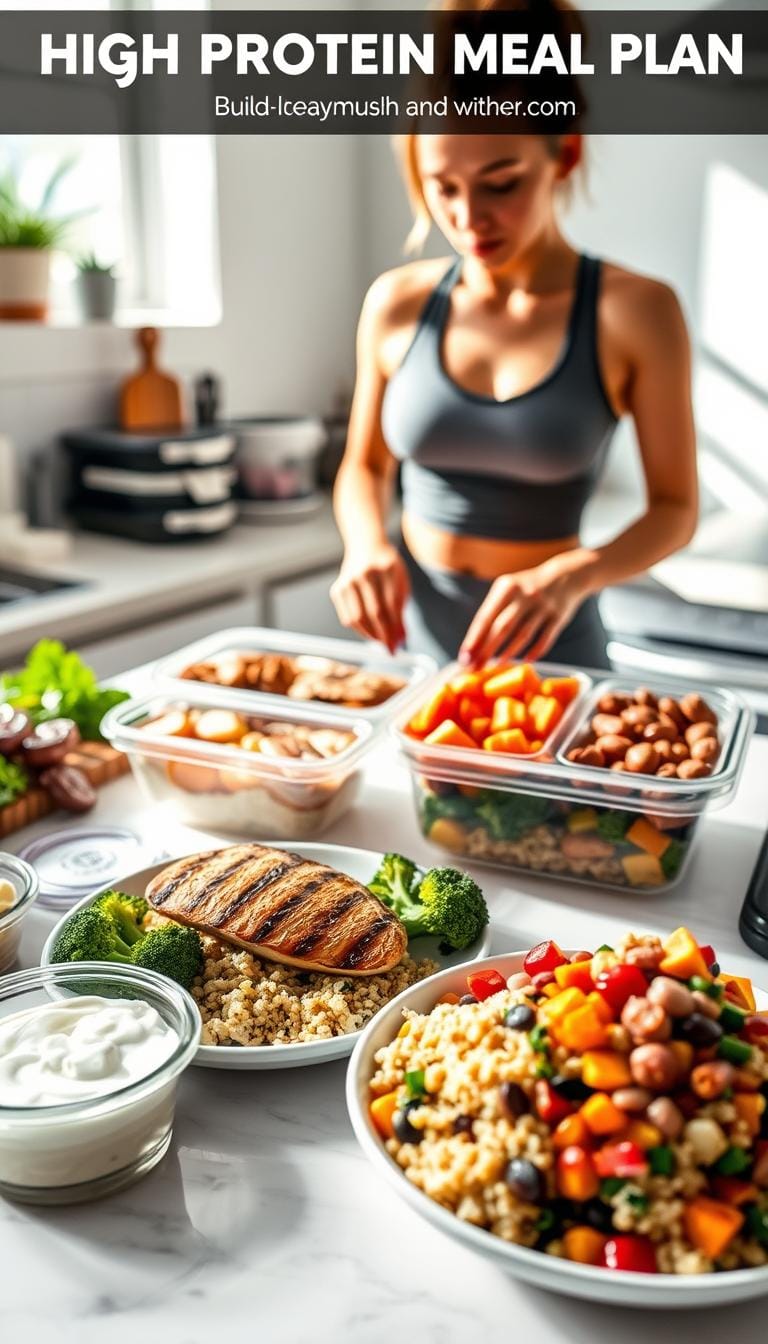
Ready to challenge what you think you know about eating to get lean? This guide shows you how to use simple, whole food choices to boost energy and support daily goals.
You will find an approach that fits busy days and real tastes. The plan uses whole grains, fruit, veg, and varied protein sources to keep you full and steady.
Each day includes easy breakfast ideas and satisfying meals that help manage weight while building lean muscle. Portions like a cup of yogurt or a cup of berries make tracking simple.
This concise guide focuses on nutrient-dense food and consistent intake. You get practical tips to simplify your routine and sustain better metabolic health without feeling deprived.
Key Takeaways
- The guide centers on whole foods and balanced cups and portions.
- Consistent protein at each meal supports energy and lean gains.
- Simple breakfasts set a steady tone for your day.
- Practical swaps help you manage weight without strict rules.
- You can follow this friendly plan while keeping your health goals.
The Science Behind Protein for Weight Loss and Muscle
Understanding how dietary protein affects metabolism helps you make smarter daily choices.
Metabolic Benefits of Protein
Protein raises the thermic effect of food, so your body burns more calories during digestion than it does with fats or carbs. This extra burn supports sustainable weight loss and helps preserve lean tissue.
Experts suggest aiming for about 1.2 to 1.6 grams protein per kilogram of body weight to hold on to muscle while you lose weight. Spreading intake across the day keeps muscle synthesis active and metabolism steady.
Protein stimulates hormones like GLP-1 and PYY that increase fullness and lower ghrelin, the hunger hormone. That effect helps you skip mid-morning snacks and stay focused.
- Including 25–30 grams protein at breakfast can front-load your metabolism and sustain energy.
- Keeping even portions—about a cup of yogurt or a cup of beans at some meals—makes tracking simple.
- Preserving muscle is key because muscle burns calories at rest and supports long-term weight control.
Designing Your High Protein Meal Plan for Women
A practical meal strategy starts with balance and simple rules you can repeat each week.
Match your protein target to how active you are. If you lift or train, aim slightly higher so your body can repair and build muscle. If you move less, use smaller portions while still keeping protein at each sitting.

Pair protein with fiber-rich vegetables to stay full and steady. Veggies add volume and nutrients without many calories. That combo lowers cravings and supports weight control.
Prep ingredients on a weekend or an easy evening. Portion cooked lean meats, legumes, and dairy into containers so you can grab a quick lunch or snack. Simple prep keeps your plan consistent and removes decision fatigue.
- Vary sources—lean meats, beans, Greek yogurt—to cover nutrients and taste.
- Adjust portions to match activity and progress toward weight goals.
- Keep flexibility; swap flavors and spices so the plan fits your life.
Consistency wins. When you design a practical meal plan and stick with it, you make steady progress toward weight loss and better muscle tone without complicated rules.
Your Seven Day High Protein Menu
This seven‑day menu gives simple, reliable choices to hit your daily protein and energy targets.

Breakfast Ideas to Boost Energy
Start most mornings with 2 boiled eggs and 2 slices of wholegrain toast to lock in early protein and steady energy.
Swap in a tub of greek yogurt with a spoon of peanut butter and a medium apple if you need a portable option.
Lunch and Dinner Staples
Keep lunches simple: a rainbow quinoa salad with 1 cup cooked quinoa, 50g ham, and 2 cups salad vegetables tossed with 2 tbsp dressing.
Dinners follow the weekly rotation: grilled lamb with 1.5 cups steamed vegetables and ½ medium sweet potato; baked salmon with 1 cup cooked quinoa and 1.5 cups broccoli and carrots.
Healthy Snack Options
- Medium apple with 30g nuts
- Tub of greek yogurt or 2 slices multigrain bread with 200g tinned tuna
- Hummus with cucumber and carrot slices
| Sample Day | Key Protein Items | Portions | Approx. Protein |
|---|---|---|---|
| Day 1 | Yogurt, lamb, sweet potato | 200g yogurt; lamb chop; ½ medium sweet potato | ≈90–100g |
| Day 5 | Baked salmon, quinoa | 100g salmon; 1 cup cooked quinoa; 1.5 cups vegetables | ≈95g |
| Day 7 | Beef mince, mung bean noodles | ½ cup cooked lean mince; 1 cup cooked noodles; lettuce cups | ≈92g |
Essential Tips for Staying Consistent and Hydrated
Smart habits keep your daily routine simple and sustainable. Staying hydrated is vital when you increase protein intake because your kidneys need extra water to process digestion byproducts.
Pair your protein-rich choices with non-starchy vegetables like broccoli and spinach. These add fiber and bulk so you feel full without excess calories.

Managing Fiber and Hydration
If plain water bores you, infuse a pitcher with sliced cucumber and mint to make sipping more enjoyable. Avoid sugary sodas and other liquid calories that can stall weight loss.
Spread intake across breakfast, lunch, and dinner and eat every 4–5 hours to keep energy steady and prevent overeating. A tablespoon of peanut butter on oats or a slice of toast supplies healthy fats and a little extra protein.
- Drink with meals and between them; aim to sip regularly.
- Pair cups of vegetables with each serving of protein.
- Adjust portions if your activity level changes and listen to your body.
| Tip | Action | Example |
|---|---|---|
| Hydration | Increase fluids | Infused water with cucumber and mint |
| Fiber pairing | Combine veg with protein | Salad with spinach, broccoli, and grilled chicken breast |
| Timing | Eat every 4–5 hours | Breakfast, lunch, dinner with snacks between |
Conclusion: Sustaining Your Healthy Lifestyle
A simple rhythm of breakfast, lunch, and dinner helps you stay on track day after day.
Build strong, simple habits that fit your life. Aim for steady servings—think a cup at snacks or a cup at dinner—to keep energy steady and support weight goals.
Consistent intake of protein across the day gives your body the tools to build muscle and aid weight loss. Track totals like grams protein and adjust portions as you move.
Celebrate progress, not perfection. If you need help, seek a coach or registered dietitian who can tailor this meal plan to your health needs.