
High Protein
Meal Prep
Done Right
Fuel your workouts, support recovery, and keep your energy steady — all week long, with meals you actually look forward to eating.
You don’t need to be a competitive athlete to benefit from eating more protein. For anyone who exercises regularly — even just a few times a week — protein is the single most impactful nutritional lever you can pull. It rebuilds muscle, keeps you full, and stabilises energy. These ten meal prep ideas make hitting your daily protein target feel effortless.
10 High Protein Prep Ideas
Each idea anchors around a high-quality protein source. Mix and match them across the week for variety without extra effort.
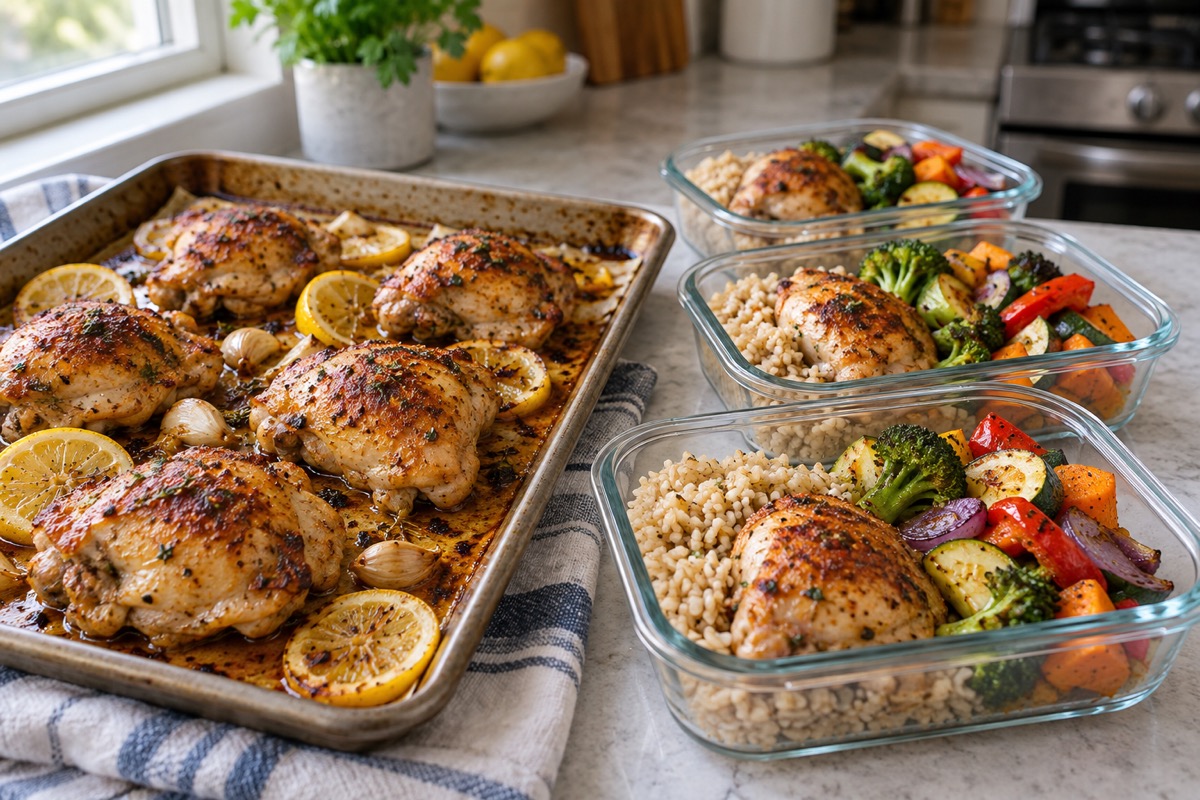
Season six to eight bone-in, skin-on chicken thighs with olive oil, garlic, smoked paprika, and lemon zest. Roast at 200°C for 40 minutes. They’re juicier and more forgiving than breasts, and the fat content keeps them moist when reheated. Use in grain bowls, wraps, salads, or eat cold with a dipping sauce.
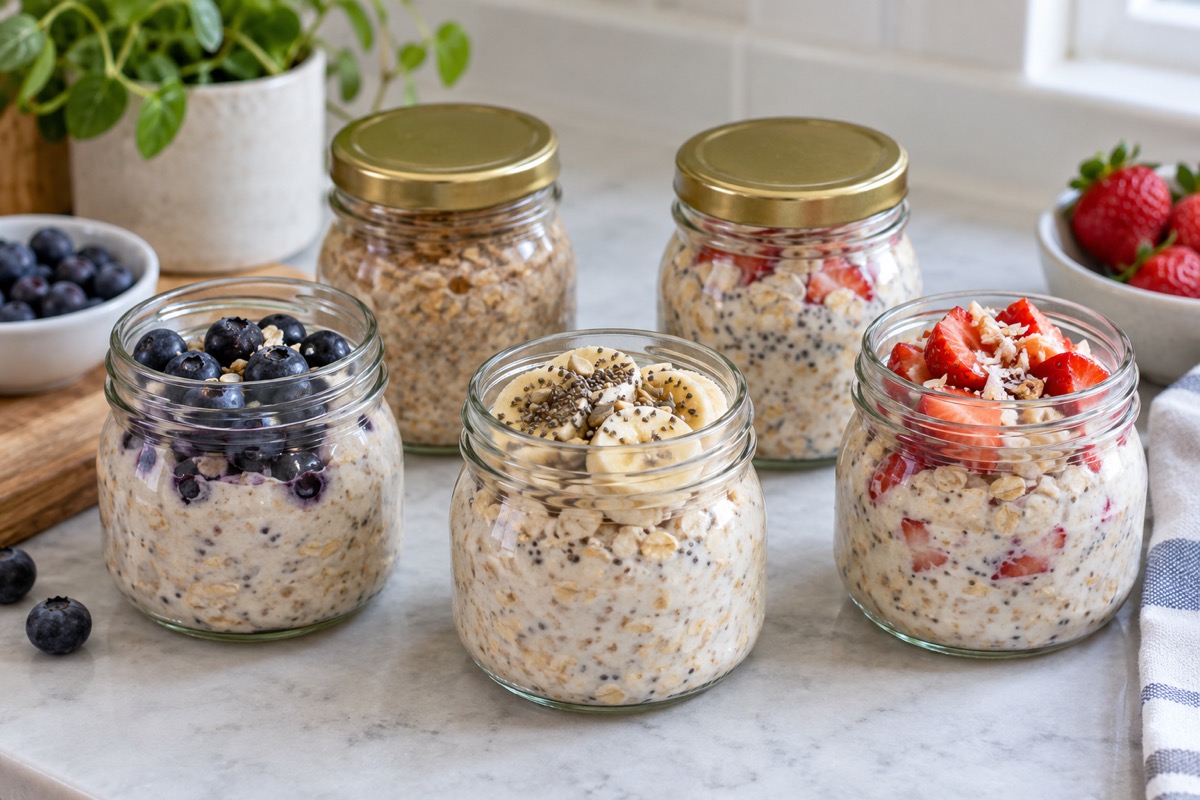
Swap regular milk for full-fat Greek yogurt and add a scoop of unflavoured protein powder to your overnight oats. The result is a thick, creamy breakfast that doesn’t feel like diet food. Prep five jars on Sunday — flavour each differently with nut butters, berries, seeds, or cacao nibs.
Sheet-pan meals are the meal-prepper’s best friend. Pair salmon fillets with cubed sweet potato and asparagus on a single tray, drizzle with olive oil and soy-ginger glaze, and roast together. Salmon is one of the most nutrient-dense proteins available — rich in omega-3s, vitamin D, and B12 alongside its impressive protein content.
Mix lean ground turkey with wilted spinach, garlic, egg, and oats as a binder. Roll into golf ball-sized portions and bake at 190°C for 22 minutes. These freeze perfectly and reheat in minutes — serve over courgette noodles, in a wrap with hummus, or straight from a container as a high-protein snack.
Hard-boil twelve eggs and shell them all at once. Portion into small containers alongside a handful of shelled edamame, a few cherry tomatoes, and some rice crackers. These no-cook snack boxes require almost zero effort and deliver a solid protein hit that bridges the gap between meals without spiking your blood sugar.
“Protein isn’t just for bodybuilders. It’s for anyone who wants to feel strong, recover well, and stay full until their next meal.” FuelForward — Nutrition Principles
Cottage cheese has undergone a well-deserved renaissance — and for good reason. A single cup delivers 25g of slow-digesting casein protein. Build a savoury bowl with cucumber, cherry tomatoes, everything bagel seasoning, and a drizzle of olive oil. Or go sweet with sliced peaches and honey. Either way, it takes under three minutes to assemble.
Combine shredded poached chicken with red lentils, diced tomatoes, cumin, turmeric, and spinach in a large pot. This one-pot soup is nutritionally dense, deeply satisfying, and improves with every day it sits in the fridge. The lentils add fibre alongside their own plant protein, making this a genuinely complete meal in a bowl.
Tinned tuna is one of the highest protein-per-pound foods on the planet. Drain and mix with white beans, red onion, capers, parsley, lemon juice, and a little olive oil. This requires zero cooking, lasts four days in the fridge, and packs an extraordinary amount of protein into a light, bright salad that doesn’t feel heavy.
Lean beef mince browned with garlic and ginger, tossed in a simple soy-sesame-honey sauce, and served over brown rice with steamed broccoli. This is one of the most satisfying high-protein prep meals — filling, flavourful, and genuinely enjoyable to eat cold from a container at your desk. Prep four portions in under 30 minutes.
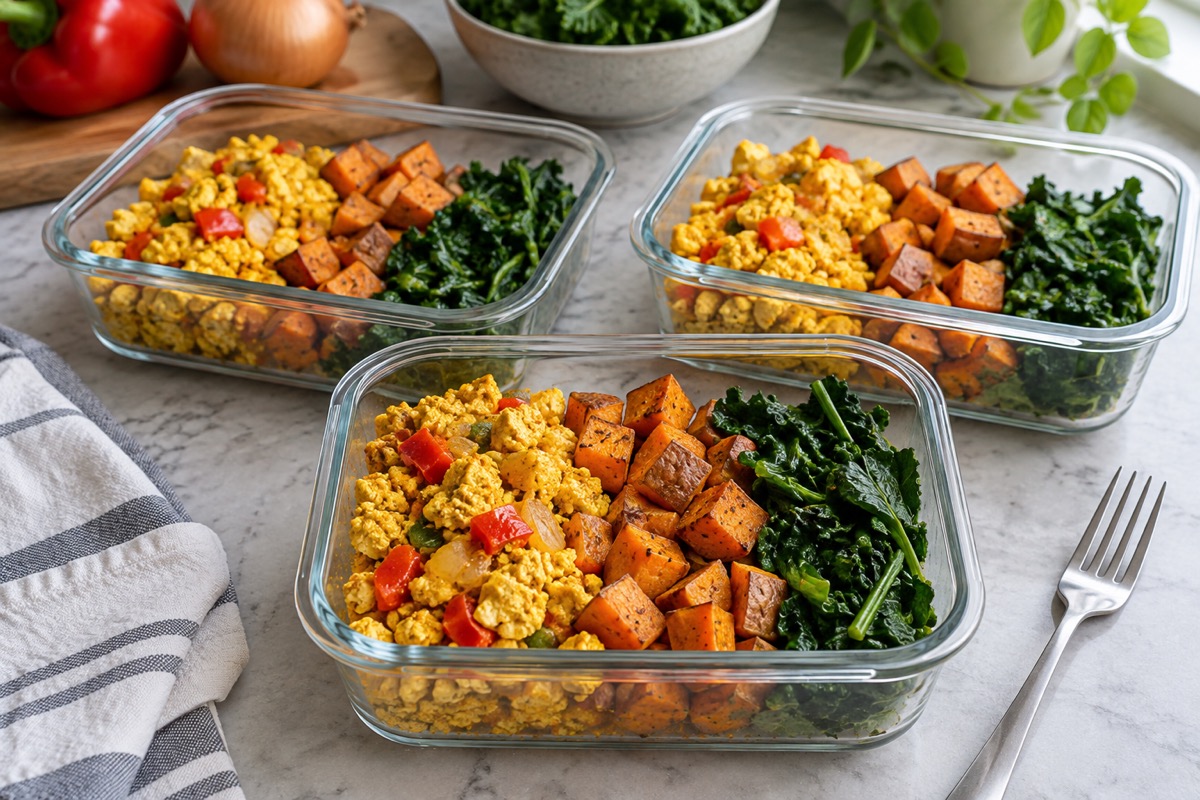
Extra-firm tofu crumbled and cooked with turmeric, nutritional yeast, black salt (for an egg-like flavour), peppers, and onion makes an exceptional plant-based protein prep. Divide into containers alongside roasted sweet potato and sautéed greens. This works for any meal of the day and reheats in two minutes.
Best Protein Sources to Stock
Protein per 100g (cooked or as served).
A Full Week of High Protein Eating
Everything below is built from the ten ideas above — prepped in one Sunday session. 100g Protein Meal Plan applies the same idea to meal planning.
6 Tips for Hitting Your Protein Goal
Build every meal around a protein source first, then add carbohydrates and fats around it — not the other way around.
Spread protein across three or four meals. Your body can absorb and use protein most efficiently in 30–40g doses rather than one large hit.
Keep tinned fish, Greek yogurt, and hard-boiled eggs as your default “nothing prepared” fallback options — they’re ready in seconds.
Don’t overlook plant proteins. Lentils, edamame, tofu, and beans all contribute meaningfully and bring fibre that animal proteins don’t.
A general target for active adults is 1.6–2.2g of protein per kilogram of body weight daily. Start at the lower end if the higher number feels daunting.
Vary your protein sources week to week. Rotating between chicken, fish, beef, eggs, legumes, and dairy ensures a broader spectrum of amino acids and nutrients.
Weekly Shopping Checklist
Tick off what you already have before heading to the store.
FAQ
For generally active adults, current research supports a range of 1.6–2.2g per kilogram of bodyweight per day. A 70kg person doing regular exercise should aim for roughly 112–154g of protein daily. If you’re just starting out, focus on hitting 100g consistently before chasing higher numbers.
Absolutely. Greek yogurt, cottage cheese, eggs, tofu, tempeh, edamame, lentils, and legumes are all substantial protein sources. Plant-based eaters should pay extra attention to leucine-rich foods (soy, edamame, lentils) which play a key role in muscle protein synthesis.
No — protein content is not meaningfully affected by reheating. The amino acids remain intact. What does change is texture and moisture, which is why slightly undercooking fish before storing and using fattier cuts of chicken makes reheated meals taste much better.
Cooked chicken, beef, and turkey keep for 4–5 days refrigerated. Cooked fish is best consumed within 3–4 days. Soups and stews typically last 5 days. For anything beyond that, portion directly into the freezer — most of these meals freeze very well.
Not at all. Whole food sources are always preferable as a foundation. Protein powder is a convenient supplement when whole food options aren’t practical — like a post-workout shake when you’re on the go — but the meals in this guide demonstrate that 150g+ protein per day is entirely achievable from real food alone.
Start This Sunday
Pick three ideas from this list, shop for the ingredients, and give yourself two hours. That’s all it takes to change how you eat all week.
Save to Pinterest