

Do you feel completely drained after eating a juicy ribeye steak? You might want to blame your genetics. While your friend thrives on a high-protein carnivore diet, the exact same meals might leave you feeling bloated, sluggish, and foggy. This mismatch happens because our bodies process nutrients differently based on our unique biochemical makeup.
Dr. Peter D’Adamo popularized this concept in his bestselling book, where he linked nutritional needs to blood groups. Today, we focus specifically on the A positive blood type diet meal plan. We will show you exactly what foods to put on your plate, which ones to avoid, and how to structure a delicious weekly menu that maximizes your energy.
Let us explore how this lifestyle works and whether it can help you feel your best.
The Science (and Theory) Behind the Type A Diet
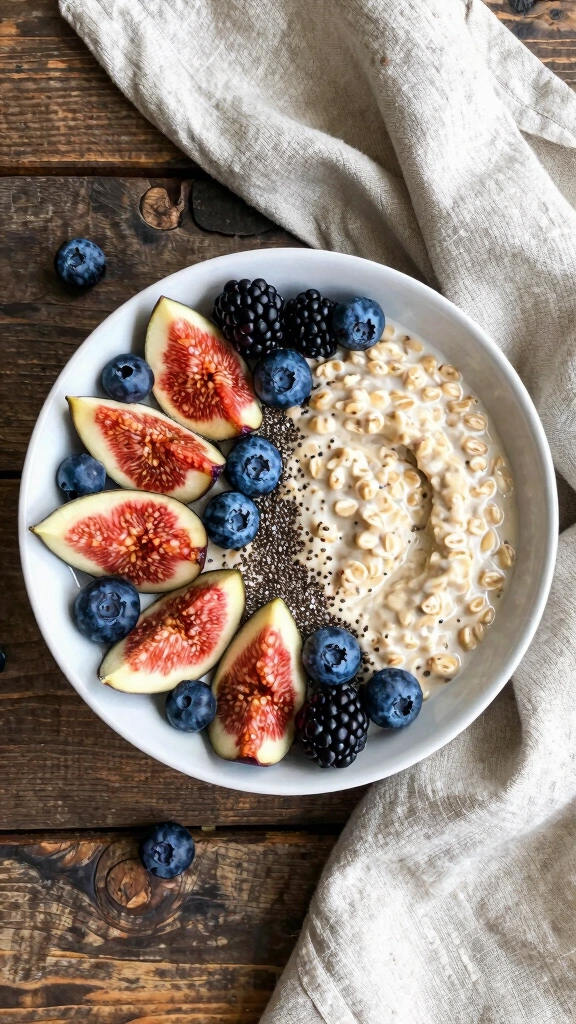
Dr. D’Adamo labels blood type A as “The Cultivator.” According to his theory, this blood group emerged when human ancestors transitioned from hunting to farming. Consequently, D’Adamo claims that Type A individuals possess digestive systems primed for a vegetarian, plant-based diet.
Specifically, Type A individuals naturally produce low levels of hydrochloric acid in their stomachs. This low acidity makes the digestion of dense animal proteins, like beef and pork, highly inefficient. Instead, their bodies process complex carbohydrates and plant proteins with great ease.
Does modern medical science fully back these evolutionary claims? Honestly, no. Most clinical trials show no direct connection between blood type and digestive efficiency. However, thousands of people report life-changing energy improvements when they follow this green-centric lifestyle. IMO, reducing processed meats and eating more organic plants will improve almost anyone’s health. 🙂
Foods to Embrace and Foods to Avoid
To succeed with the A positive blood type diet meal plan, you must clean out your pantry. You need to focus on fresh, natural foods while avoiding heavy, inflammatory items.
The VIPs: Foods You Should Eat
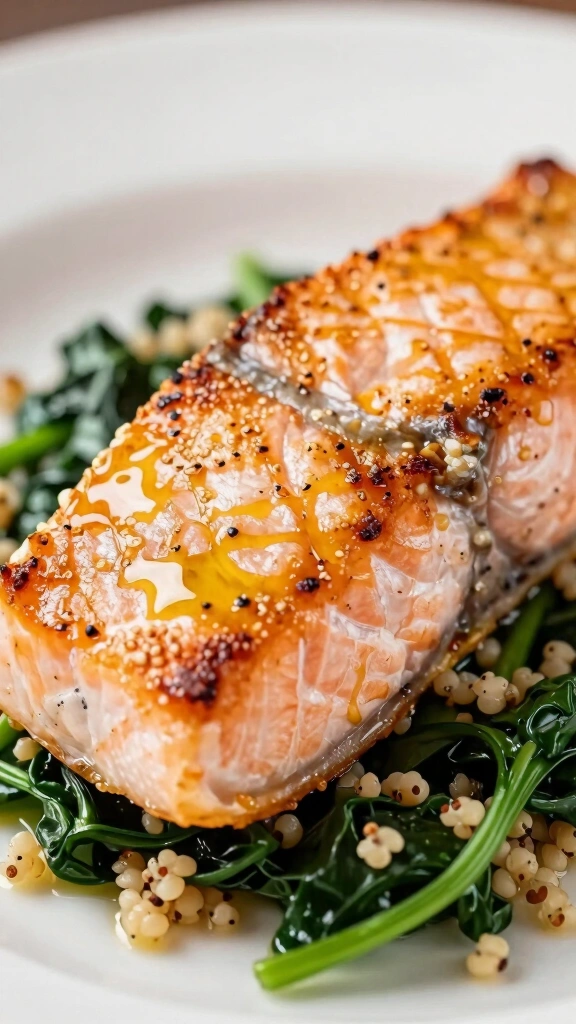
These foods support your digestion, boost your immune system, and keep your energy levels steady throughout the day:
- Vegetables: Broccoli, spinach, carrots, garlic, onions, and kale.
- Vegetable Oils: Extra virgin olive oil provides healthy fats that aid digestion.
- Soy Products: Tofu, tempeh, and soy milk supply clean, plant-based protein.
- Whole Grains: Amaranth, buckwheat, oatmeal, and rye support metabolic health.
- Fruits: Berries, plums, figs, and pineapples assist with enzyme production.
- Seafood: Salmon, sardines, and trout offer excellent protein options when you crave animal products.
The Banned List: Foods You Should Avoid
These foods can trigger inflammation, slow down your metabolism, and cause digestive discomfort:
- Red Meat: Beef, pork, venison, and lamb digest very slowly and build up toxins.
- Dairy: Whole milk, butter, and blue cheese trigger mucus production and sinus issues.
- Certain Beans: Kidney beans and lima beans contain lectins that interfere with your metabolism.
- Refined Grains: White flour and processed wheat products cause blood sugar spikes.
- Specific Vegetables: Tomatoes, eggplants, potatoes, and mushrooms can irritate your digestive tract.

Your 7-Day A Positive Blood Type Diet Meal Plan
We structured the following meal plan to simplify your shopping list. We prioritize plant proteins, light grains, and plenty of fresh greens. FYI, turkey acts as a neutral meat for Type A, so we include it occasionally for variety.
-
Day 1:
- Breakfast: Eat a warm bowl of oatmeal topped with fresh blueberries and raw walnuts.
- Lunch: Toss a large spinach salad with cucumbers, carrots, and a lemon-olive oil dressing.
- Dinner: Bake a salmon fillet and serve it alongside steamed broccoli and brown rice.
-
Day 2:
- Breakfast: Prepare a savory tofu scramble with baby spinach, onions, and turmeric.
- Lunch: Enjoy a bowl of hearty lentil soup with a slice of toasted rye bread.
- Dinner: Toss rice noodles with stir-fried vegetables and ginger in sesame oil.
-
Day 3:
- Breakfast: Blend a green smoothie using soy milk, fresh spinach, and ripe pineapple.
- Lunch: Mix a quinoa salad with diced cucumbers, pumpkin seeds, and fresh mint.
- Dinner: Roast cod alongside asparagus spears and a small sweet potato.
-
Day 4:
- Breakfast: Mix chia seeds with almond milk and a touch of maple syrup.
- Lunch: Dip sliced carrots and cucumbers into homemade hummus.
- Dinner: Cook a vegetarian chili using black-eyed peas, onions, and sweet bell peppers.
-
Day 5:
- Breakfast: Cook buckwheat pancakes and top them with pure organic maple syrup.
- Lunch: Wrap tempeh, sliced avocado, and sprouts in a gluten-free tortilla.
- Dinner: Grill a turkey breast fillet and serve it with green beans.
-
Day 6:
- Breakfast: Combine diced apples, pears, and plums for a refreshing fruit salad.
- Lunch: Mix raw spinach, artichoke hearts, and pumpkin seeds with olive oil.
- Dinner: Stir-fry tofu and broccoli, then serve it over organic brown rice.
-
Day 7:
- Breakfast: Stir raw almonds and organic honey into a warm bowl of oatmeal.
- Lunch: Sip a warm bowl of miso soup containing cubed tofu and green onions.
- Dinner: Bake a fresh trout fillet and serve it with a garden salad.
Smart Snacks for Type A
Do you experience energy crashes in the middle of the afternoon? Keep your blood sugar stable with these quick, portable snacks that align with your blood type:
- Raw Almonds: A handful of almonds provides healthy fats and suppresses hunger.
- Rice Cakes with Peanut Butter: This combination satisfies your crunch cravings.
- Fresh Plums or Figs: These fruits support digestive enzymes.
- Pumpkin Seeds: These seeds offer a rich source of zinc and magnesium.
Exercise Strategies to Match Your Diet
Dr. D’Adamo does not just focus on food. He also links blood types to specific stress responses. Because Type A individuals produce higher baseline levels of cortisol (the stress hormone), high-intensity workouts can actually exhaust your body.
Instead of intense cardio, you should focus on calming, restorative exercises. Try yoga, tai chi, or brisk walking in nature. These activities lower cortisol, improve digestion, and help you maintain your weight-loss goals.
Important Considerations and Expert Advice
Before you completely overhaul your pantry, consult a registered dietitian. Health experts caution against eliminating entire food groups without a clear medical reason. If you transition away from red meat, you must monitor your iron and vitamin B12 levels closely.
Always listen to your body first. If a “banned” food makes you feel energetic and healthy, do not stress about removing it. Use this meal plan as a flexible guide rather than a rigid set of laws.
The Final Verdict
The A positive blood type diet meal plan offers an excellent way to transition toward a clean, plant-forward lifestyle. By focusing on organic vegetables, wholesome grains, and lean proteins, you give your body high-quality, easily digestible fuel. Even if you do not believe the evolutionary science, your body will thank you for eating more greens.
Are you ready to test the waters? Grab some fresh produce, swap the steak for salmon, and see if the Type A lifestyle unlocks your energy!
