

You stand in the grocery aisle, holding a box of pasta, staring at the back label like it contains state secrets. Does this sound familiar? I remember my first week trying to track macros; I felt like a mad scientist mixing volatile chemicals in a dark basement.
Good news: you do not need a degree in biochemistry to master a macro meal plan for beginners. Let’s strip away the fitness industry fluff and build a simple, realistic plan that actually fits your busy life. Are you ready to take control of your nutrition once and for all?
What Are Macros and Why Should You Care?
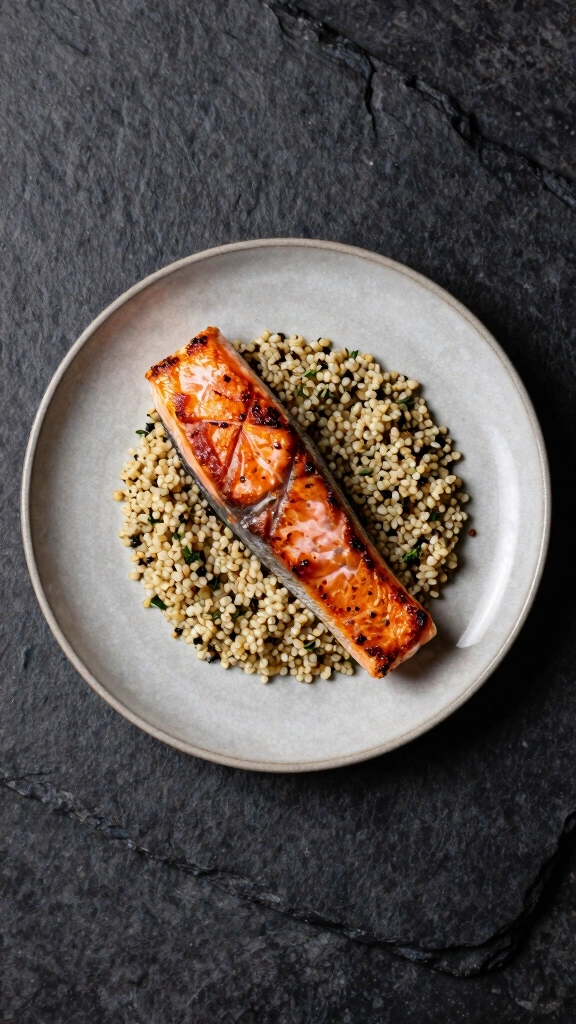
We must start with the basics. Macronutrients, or “macros,” represent the primary nutrients that give your body energy. You can divide these nutrients into three main categories: proteins, carbohydrates, and fats. Each category plays a distinct, important role in your health and physical performance.
Protein: The Architect of Muscle
Protein does much more than just build large muscles. Your body uses protein to repair damaged tissues, make vital enzymes, and support your immune system. Every single gram of protein contains 4 calories.
When you eat enough protein, you feel fuller for longer periods because protein suppresses hunger hormones. Look for high-quality sources like skinless chicken breast, wild-caught salmon, whole eggs, Greek yogurt, and plant-based options like tempeh or lentils.
Carbohydrates: Your Body’s High-Octane Fuel
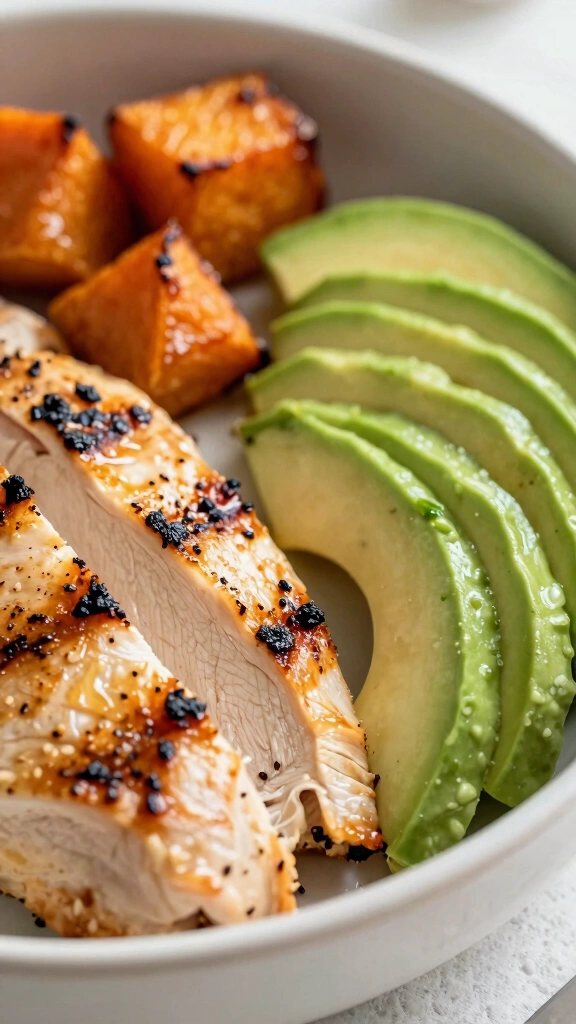
Carbohydrates provide your body with its quickest and most efficient energy source. Your digestive system breaks carbohydrates down into glucose, which feeds your brain and muscles during intense workouts. Every gram of carbohydrate contains 4 calories.
Do not fear carbs! Instead, choose complex carbohydrates like oatmeal, brown rice, sweet potatoes, and quinoa. These foods absorb slowly and provide steady energy throughout the day.
Fats: The Hormone Regulators
Fats protect your organs, support hormone production, and help you absorb fat-soluble vitamins. However, keep an eye on your portion sizes here. Every gram of fat contains 9 calories, making it the most calorie-dense macro.
Focus on healthy unsaturated fats from sources like avocados, extra virgin olive oil, nuts, and seeds. These foods keep your joints lubricated and your brain sharp.
Calculating Your Personal Macro Targets
How do you determine your daily targets? You cannot copy a random diet plan from a fitness magazine because your body requires a personalized approach. Follow this simple roadmap to calculate your starting numbers:
- Calculate Your Basal Metabolic Rate (BMR): Your BMR represents the number of calories your body burns just to keep you alive in a resting state. You can calculate this number using online calculators that utilize the Mifflin-St Jeor formula.
- Determine Your Total Daily Energy Expenditure (TDEE): Multiply your BMR by an activity factor to find your daily maintenance calories. This number represents the total energy you burn during everyday movements, exercise, and digestion.
- Establish Your Calorie Deficit or Surplus: Subtract 300 to 500 calories from your TDEE if your goal centers on fat loss. Add 200 to 400 calories to your TDEE if you want to build muscle. IMO, a moderate approach works best because crash diets always backfire.
- Assign Your Macro Ratios: Distribute your target calories among your three macronutrients. Beginners usually find success with a ratio of 40% carbohydrates, 30% protein, and 30% fat.
How to Build Your First Macro Meal Plan
Now you have your numbers. How do you turn these numbers into real food? First, buy a digital food scale. You cannot rely on eyeball measurements when tracking your intake.
I once thought I ate two tablespoons of peanut butter, but my scale revealed I actually consumed four tablespoons. That simple mistake added 200 hidden calories to my day! Use the video below to master the basics of food weighing and tracking.
Next, focus on batch cooking. Pick one afternoon, like Sunday, to prep your core ingredients. Cook a large batch of chicken breast, roast a tray of sweet potatoes, and steam some fresh broccoli.
Store these items in separate containers in your refrigerator. This strategy allows you to build meals quickly during busy weekdays and saves you hours of mental energy.
A Complete 1-Day Sample Plan (1,600 Calories)
Consider a realistic day of eating. We designed this plan to hit approximately 1,600 calories, with 125g of protein, 115g of carbs, and 55g of fat. Feel free to scale the portion sizes up or down to match your personal requirements.
Breakfast: The Protein-Packed Omelet
Whisk three whole eggs and pour them into a hot pan. Throw in a handful of fresh spinach, sliced mushrooms, and 30 grams of low-fat feta cheese. Serve your omelet with one slice of toasted sourdough bread.
This meal delivers a perfect mix of protein, complex carbs, and essential fats to start your day.
Estimated Macros: 28g Protein, 22g Carbs, 21g Fat. High Protein Meal Plan applies the same idea to meal planning.
Lunch: Quick Chicken and Quinoa Bowl
Layer 120 grams of grilled chicken breast over 100 grams of cooked quinoa. Add diced cucumbers, cherry tomatoes, and 50 grams of sliced avocado. Drizzle one tablespoon of lemon juice and a pinch of salt over the top.
This lunch packs easily for work and keeps you full throughout the afternoon slump.
Estimated Macros: 42g Protein, 38g Carbs, 13g Fat.
Afternoon Snack: Yogurt and Berry Parfait
Scoop 150 grams of plain Greek yogurt into a bowl. Top the yogurt with 50 grams of fresh blueberries, a tablespoon of chia seeds, and a light drizzle of honey.
Greek yogurt provides a huge dose of protein, while the chia seeds offer healthy omega-3 fatty acids.
Estimated Macros: 18g Protein, 20g Carbs, 6g Fat.
Dinner: Baked Salmon and Sweet Potato
Bake a 120-gram salmon fillet in the oven with garlic and dill. Serve it alongside a medium baked sweet potato and a generous portion of roasted asparagus.
You will get plenty of healthy fats from the salmon to support your hormones while you sleep.
Estimated Macros: 30g Protein, 35g Carbs, 15g Fat.
The Power of Flexible Dieting
Do you think you must abandon pizza forever? You do not need to do that! Many fitness enthusiasts follow the concept of Flexible Dieting, also known as IIFYM (If It Fits Your Macros).
This approach allows you to consume foods like chocolate or burgers, provided they fit your daily target numbers. Of course, you must still prioritize nutritious foods to feel your best.
We suggest the 80/20 rule: get 80% of your calories from whole foods, and allocate the other 20% for your favorite treats. This flexibility helps you stick to your plan long-term because you never feel deprived 🙂
Grocery Shopping Strategies for Success
Your success starts at the supermarket. If you stock your kitchen with junk food, you will eventually eat junk food. Always write a grocery list before you leave the house, and stick to it.
Focus your efforts on the outer aisles of the store where supermarkets keep fresh, unprocessed foods. Here is a quick cheat sheet for your next shopping trip:
- Protein Sources: Chicken breast, lean ground beef (93/7), canned tuna, eggs, egg whites, Greek yogurt, cottage cheese, and tofu.
- Carbohydrate Sources: Rolled oats, jasmine rice, sweet potatoes, red potatoes, whole-wheat wraps, berries, apples, broccoli, and spinach.
- Fat Sources: Avocados, extra virgin olive oil, almonds, walnuts, flaxseeds, and natural peanut butter.
Common Pitfalls to Avoid
Even experienced athletes make mistakes when tracking their food. Keep an eye out for these three common traps to keep your progress on track.
1. The Weekend Slip-Up
Many people track their food meticulously from Monday through Friday afternoon. Then, Saturday arrives, and they stop tracking entirely. A single weekend of heavy drinking and restaurant meals can easily wipe out your entire week’s calorie deficit.
2. Guessing Liquid Calories
Do you add creamer to your morning coffee? Do you drink fruit juices or sports drinks during your workouts? FYI, a single fancy coffee drink can contain more sugar than a can of soda. Always log your beverages because they affect your daily energy balance just like solid food.
3. Obsessing Over Perfect Numbers
Never let macro tracking ruin your social life. If you miss your target by 5 or 10 grams, do not panic. Consistency over time beats daily perfection, so aim for progress rather than flawless numbers.
Taking the First Step
Starting a macro meal plan for beginners does not require perfection. It requires consistency. Start by calculating your numbers, tracking your normal food intake for a week, and making small adjustments along the way. Soon, you will build balanced meals without even checking your tracking app. You have the tools and the knowledge, so go to the grocery store and buy your healthy ingredients today!
