
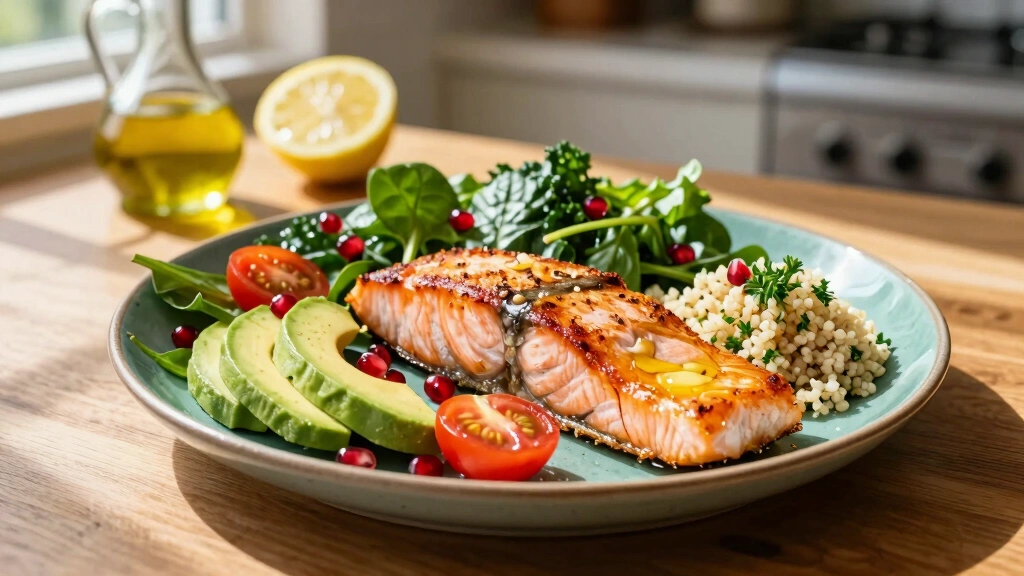
Let’s talk about that beautiful, hard-working muscle beating in your chest right now. We often ignore our heart health until a doctor wags a finger at us. Why do we wait for a wake-up call to start eating well?
I used to think a heart-healthy plate meant eating tasteless cardboard and grass. Luckily, I discovered that real, heart-loving food actually tastes amazing. My grandmother suffered a heart attack at fifty-five, and that scary moment changed everything for our family.
It forced us to look closely at our kitchen cabinets and rebuild our relationship with food. You do not need to starve yourself or eat boring meals to protect your ticker. Let’s walk through a realistic, delicious approach to a heart healthy diet for women.
Why Women’s Hearts Need Different Love
Women face different cardiovascular risks than men, especially as we age. Did you know that estrogen protects our blood vessels during our younger years? This hormone keeps your blood vessels flexible and wide, which promotes healthy blood flow.
Once menopause hits, that protective shield drops. We must adjust our grocery carts to keep our arteries clean and flexible. Men and women also experience heart attacks differently.
Men might feel the classic chest pain, while women often experience shortness of breath, nausea, or back pain. Doesn’t that make you want to pay closer attention to your cardiovascular system? We must proactively protect our bodies with every single bite.
The Pillars of a Heart Healthy Diet for Women
1. Healthy Fats (Ditch the Trans Fats)
You do not need to fear all fats. In fact, your body requires fat to absorb vitamins and build cell membranes. Focus on monounsaturated and polyunsaturated fats instead of processed junk.
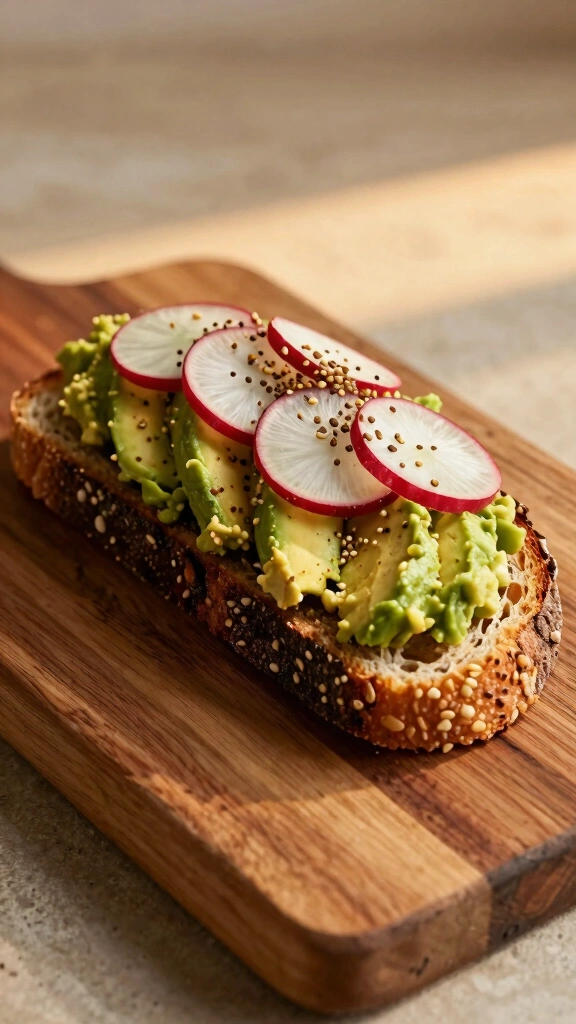
Reach for extra virgin olive oil, avocados, and raw nuts. Avoid trans fats completely. These artificial fats lower your good cholesterol and raise your bad cholesterol. Want a simple rule of thumb? If it comes in a sealed factory bag and lasts for three years, keep it out of your kitchen.
2. Fiber-Rich Foods (The Ultimate Pipe Cleaner)
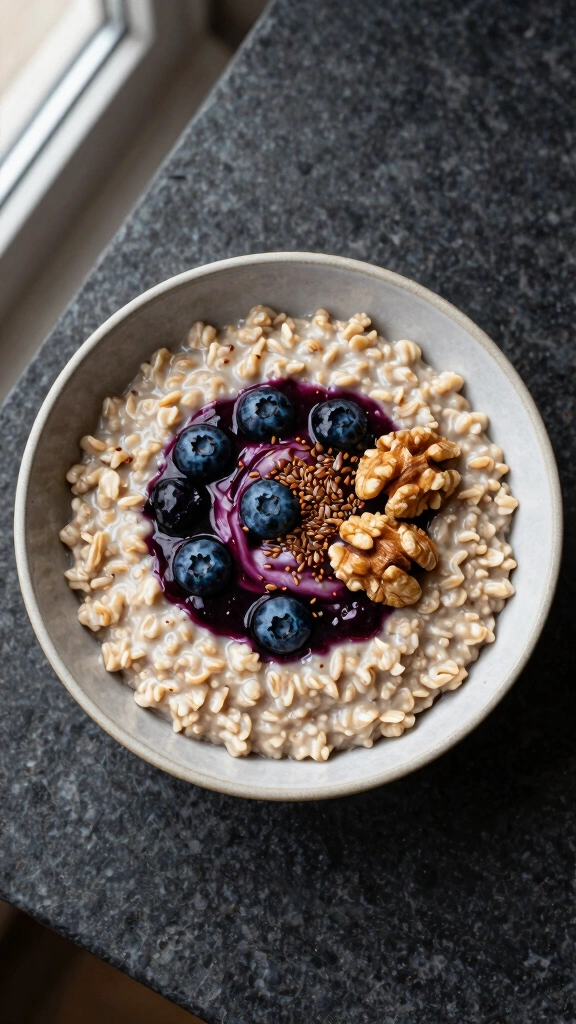
Fiber does more than keep things moving downstairs. Soluble fiber acts like a sponge in your digestive tract, grabbing bad cholesterol and dragging it out of your body. Start your morning with a warm bowl of steel-cut oats.
Throw in a handful of blueberries and ground flaxseeds for a double dose of antioxidants. Can you think of an easier way to protect your arteries before 9:00 AM? You should also load up on black beans, lentils, and broccoli to hit your daily fiber goals. Aim for at least 25 to 30 grams of fiber every single day.
3. Lean Proteins (Ditch the Heavy Red Meats)
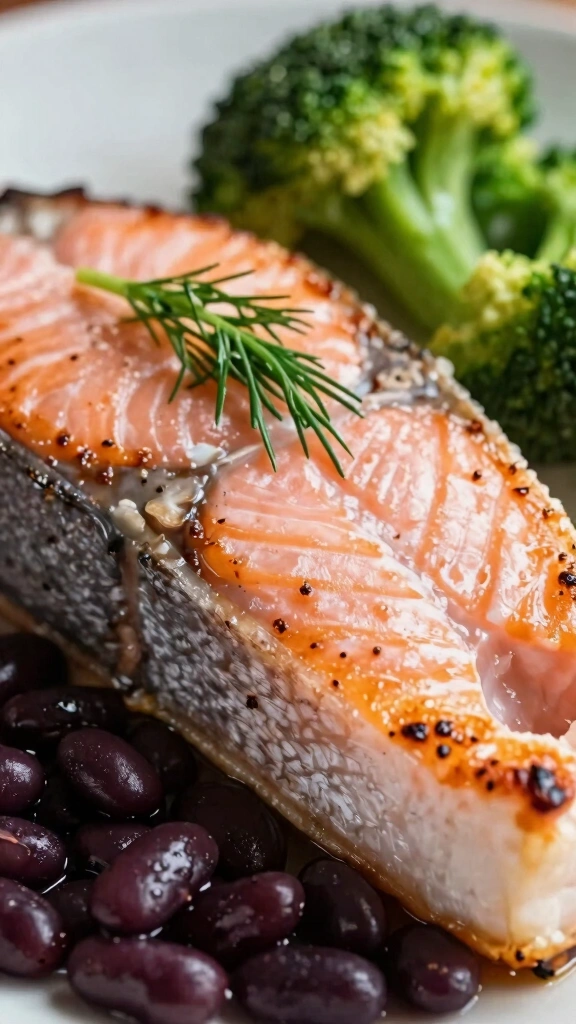
Your heart loves wild-caught salmon, mackerel, and sardines. These swimmers contain massive amounts of omega-3 fatty acids, which lower your blood pressure and reduce inflammation. If you hate fish, try skinless poultry, lentils, and black beans.
I personally eat a plant-forward lunch every single day, and my energy levels skyrocketed after making the switch. IMO, plant proteins deserve way more respect than they get. 🙂 Plus, beans cost pennies compared to a prime cut of steak!
Understanding the “Good” and “Bad” Cholesterol
Many people panic when they hear the word cholesterol. However, your body actually needs this waxy substance to make hormones and vitamin D. The trouble starts when you have too much LDL (low-density lipoprotein) and not enough HDL (high-density lipoprotein).
Think of HDL as a cleanup crew. It travels through your bloodstream, picks up excess cholesterol, and carries it back to your liver. On the other hand, LDL acts like a messy guest who leaves trash all over your arterial walls.
Eating foods high in soluble fiber and healthy fats boosts your HDL and lowers your LDL. Who doesn’t want a free cleaning service inside their blood vessels?
The Silent Enemies of a Woman’s Heart
We need to talk about the villains hiding in your pantry. Food manufacturers pack processed meals with salt and sugar to make them shelf-stable and addictive. Consider these two major threats.
The Salt Trap
High sodium levels pull extra water into your bloodstream, which places heavy pressure on your blood vessel walls. Limit your daily sodium intake to under 1,500 milligrams. Watch out for store-bought salad dressings, frozen dinners, and canned soups.
Always read the nutrition label before tossing an item into your shopping cart. You can flavor your meals with garlic, onion powder, lemon juice, and fresh herbs instead of salt. Trust me, your tastebuds will adapt after a week or two, and you won’t even miss the salt shaker.
The Sugar Rush
Sugar does not just expand your waistline; it inflames your arteries. Chronic inflammation damages your blood vessels and increases your risk of heart attacks. Avoid sugary drinks like soda, bottled sweet teas, and fancy coffee drinks.
Drink sparkling water with a squeeze of fresh lime instead. Doesn’t that sound much more refreshing anyway? If you have a sweet tooth, satisfy it with a square of dark chocolate containing 70% cacao or higher. Dark chocolate contains flavonoids that actually support blood flow!
Potassium and Magnesium: The Dynamic Duo
We often talk about what to cut out, but what should you add? Meet potassium and magnesium, two minerals that act like a spa day for your blood vessels.
Potassium’s Pressure-Relieving Power
Potassium helps your body flush out excess sodium through your urine. It also relaxes your blood vessel walls, which directly lowers your blood pressure. Eat plenty of bananas, sweet potatoes, spinach, and avocados to keep your potassium levels high.
Magnesium’s Muscle Magic
Your heart is a muscle, and muscles need magnesium to contract and relax properly. Magnesium deficiency can lead to irregular heartbeats and muscle cramps. Load up on pumpkin seeds, almonds, dark leafy greens, and dark chocolate to get your daily dose. I keep a bag of pumpkin seeds at my desk for a quick, crunchy, magnesium-rich snack.
A Simple 3-Day Heart Healthy Meal Plan
Use this simple three-day template to kickstart your new lifestyle. You do not need complicated recipes to eat well.
- Day 1: Start your morning with oatmeal. Pile it high with fresh berries and walnuts. For lunch, toss a spinach salad with grilled chicken breast and a drizzle of olive oil. End your day with baked salmon, roasted broccoli, and a small side of quinoa.
- Day 2: Spoon up some unsweetened Greek yogurt with chia seeds and sliced bananas for breakfast. Enjoy a warm bowl of lentil soup with a side of whole-grain toast for lunch. Whip up a colorful tofu stir-fry with bell peppers, snap peas, and brown rice for dinner.
- Day 3: Scramble two eggs with fresh spinach and tomatoes for breakfast. Pack a quinoa bowl with black beans, avocado, and salsa for lunch. Roast a turkey breast alongside sweet potatoes and asparagus for dinner.
Hydration and Your Heart
Do you drink enough water? Most of us walk around mildly dehydrated without realizing it, which places extra stress on our cardiovascular system.
Dehydration reduces your blood volume, which forces your heart to pump faster and harder to deliver oxygen. Drink plenty of water throughout the day to keep your blood flowing smoothly. Carry a reusable water bottle with you wherever you go. If plain water bores you, toss in some fresh cucumber slices or mint leaves.
Lifestyle Habits That Supercharge Your Diet
Food plays a massive role, but you cannot ignore other lifestyle factors. Pair your nutritious meals with these three daily habits to maximize your results.
Keep Moving
Aim for at least 150 minutes of moderate exercise every week. Walk briskly around your neighborhood, ride a bike, or dance in your living room. Your heart muscles grow stronger when you push them a little.
Prioritize Sleep
Chronic sleep deprivation raises your cortisol levels, which spikes your blood pressure. Protect your sleep schedule like your life depends on it, because, honestly, it does. Try to get seven to eight hours of quality sleep every night.
Manage Stress
Chronic stress wreaks havoc on your cardiovascular system. Find a stress-relief technique that actually works for you. Personally, I practice deep breathing exercises for five minutes every afternoon to calm my nervous system. :/
Common Mistakes Women Make on a Heart Healthy Journey
- Buying “Low-Fat” Processed Foods: Food companies strip natural fats from their products and replace them with sugar and chemical additives. Always choose whole, minimally processed foods instead.
- Underestimating Stress: Stress raises blood pressure even if you eat clean. You cannot out-eat a stressful lifestyle, so take time to unwind.
- Giving Up Too Quickly: Heart health is a lifelong journey, not a three-week detox program. Celebrate small victories, like drinking more water or skipping the afternoon soda.
The Takeaway
You only get one heart, so treat it with the respect it deserves. Transitioning to a heart healthy diet for women does not require overnight perfection.
Start with small, consistent changes like swapping your cooking oil or adding a handful of berries to your breakfast. Your body will thank you for years to come. What simple change will you make today?
