
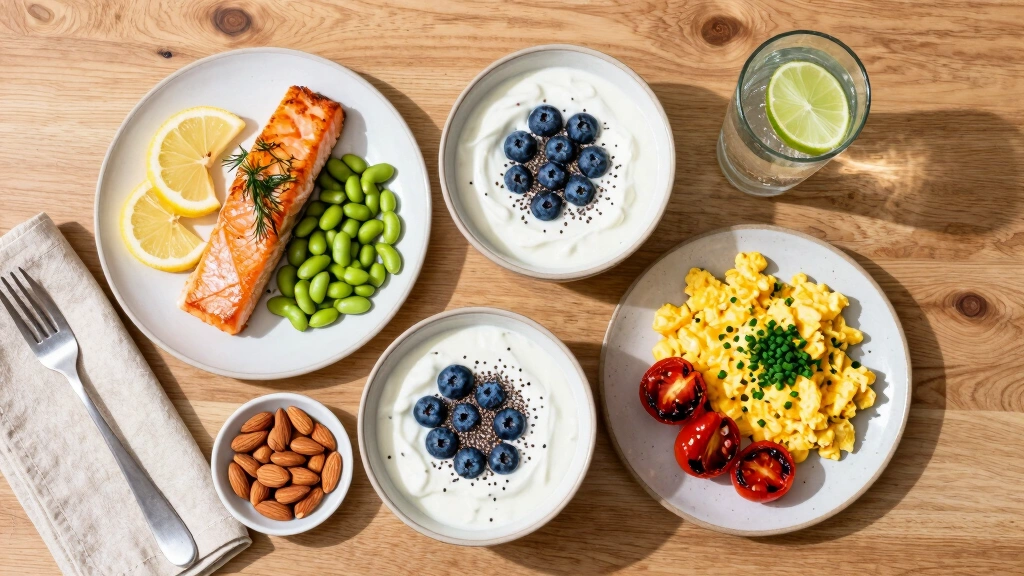
Let’s face it: staring at a blank plate while trying to hit a protein goal feels exhausting. You do not need to chew on dry, tasteless chicken breasts all day long to build muscle or lose fat. How do we make this process actually enjoyable? I used to struggle with this daily until I cracked the code on a simple 90 grams of protein meal plan. This guide will show you how to hit that magic number without losing your sanity or your taste buds.
When I first attempted this diet change, I made the mistake of eating five cans of tuna a day. My coworkers hated me, and my taste buds went on strike. I quickly learned that variety makes or breaks consistency. You can eat delicious, flavorful food and still smash your nutritional targets.
Why Should You Aim for 90 Grams of Protein?
Why does everyone obsess over this specific number? Well, 90 grams of protein fits perfectly for many active individuals, especially those looking to maintain lean muscle mass while cutting calories. IMO, it strikes the ultimate balance between “easy to achieve” and “highly effective.” 🙂
When you feed your body enough protein, you boost your metabolism through the thermic effect of food. Your body burns more calories just digesting protein compared to fats or carbs. Do you want to stay full for hours and curb those late-night fridge raids? Protein stabilizes your blood sugar and regulates your hunger hormones.
Furthermore, active recovery requires building blocks. Muscle tissue experiences micro-tears during workouts, and dietary protein provides the amino acids to rebuild those fibers stronger. Without enough protein, your body may actually break down muscle tissue for energy, which defeats the purpose of your hard work in the gym.
The Math: How to Divide Your Daily Protein
You should not try to eat all 90 grams in one massive sitting. Your digestive system prefers smaller, regular doses of amino acids throughout the day. We recommend spreading your intake across three main meals and one delicious snack.
This simple structure keeps your meal sizes manageable:
- Breakfast: 25 grams of protein
- Lunch: 25 grams of protein
- Afternoon Snack: 15 grams of protein
- Dinner: 25 grams of protein
This distribution ensures your muscles receive a steady stream of nutrients. It also prevents that heavy, overstuffed feeling that comes from eating giant portions. Who wants to feel like taking a nap after every single meal? Not you.
The Complete 90 Grams of Protein Meal Plan
This simple, delicious day of eating hits your target easily. You can swap ingredients based on your preferences, but keep the protein portions consistent. Read through this plan and see how simple eating well can actually be.
Breakfast: The Power Starter (26g Protein)
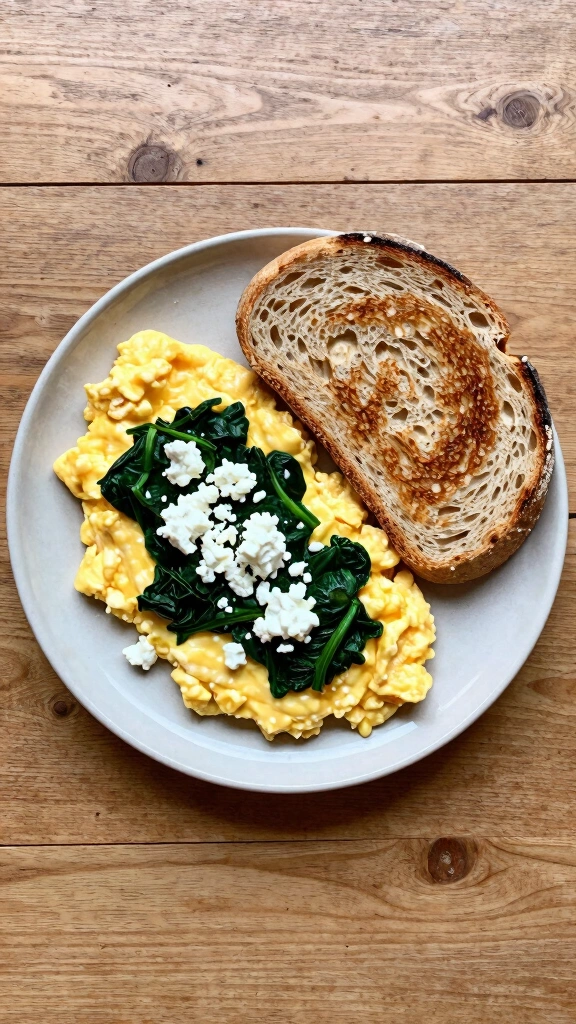
Start your morning with a savory, warm scramble. Whisk two large whole eggs with three egg whites to boost the protein without skyrocketing the fat content. Throw in a handful of spinach and top the mixture with 30 grams of low-fat feta cheese. Pair this scramble with a hot slice of sprouted grain toast.
- 2 large whole eggs + 3 egg whites: 18 grams of protein
- 30 grams of low-fat feta cheese: 4 grams of protein
- 1 slice of sprouted grain toast: 4 grams of protein
Lunch: The Lean Green Chicken Salad (27g Protein)
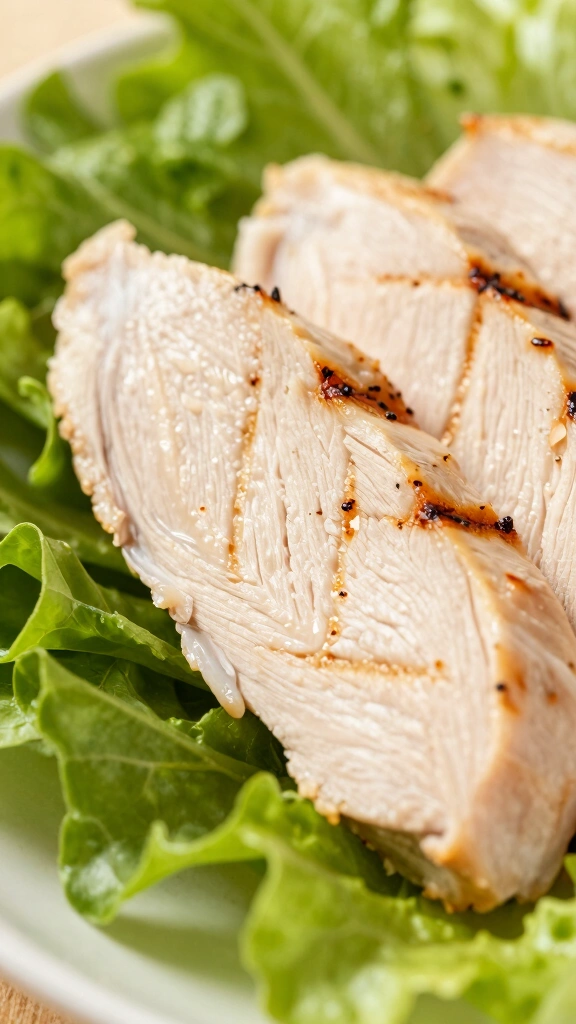
Who says salads have to be boring? Toss 100 grams of grilled chicken breast with mixed salad greens, crisp cucumbers, and juicy cherry tomatoes. Drizzle a light olive oil vinaigrette over the top, and add two tablespoons of pumpkin seeds for crunch and extra nutrients.
- 100 grams of grilled chicken breast: 22 grams of protein
- 2 tablespoons of pumpkin seeds: 5 grams of protein
Afternoon Snack: Greek Yogurt Parfait (17g Protein)
Fight the 3 PM workplace slump with a refreshing, sweet treat. Scoop 150 grams of plain, non-fat Greek yogurt into a bowl. Top the yogurt with a handful of fresh blueberries, one tablespoon of chia seeds, and a sprinkle of ground cinnamon.
- 150 grams of non-fat Greek yogurt: 15 grams of protein
- 1 tablespoon of chia seeds: 2 grams of protein
Dinner: Pan-Seared Salmon and Quinoa (25g Protein)
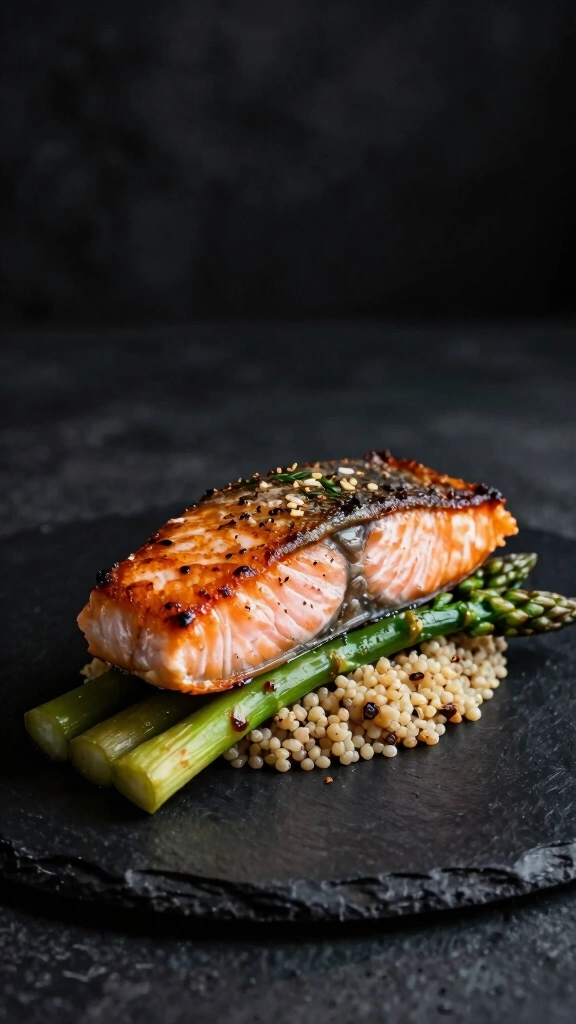
End your day with healthy omega-3 fatty acids and clean protein. Sear a 110-gram salmon fillet in a hot pan with a touch of garlic butter. Serve the salmon alongside half a cup of cooked quinoa and a generous portion of steamed broccoli. High Protein Meal Plan applies the same idea to meal planning.
- 110 grams of salmon fillet: 20 grams of protein
- 1/2 cup of cooked quinoa: 4 grams of protein
- 1 cup of steamed broccoli: 1 gram of protein
TOTAL DAILY PROTEIN: 95 GRAMS. You even got a tiny bonus five grams to support your muscle recovery!
Plant-Based Swaps for Vegetarians
Do you avoid meat? You can still hit 90 grams of protein easily without touching a single chicken breast. Nature offers incredible plant-based protein sources that fuel your body just as well. You just need to understand which ingredients pack the biggest nutritional punch.
Consider replacing the animal proteins in our meal plan with these high-quality vegetarian alternatives:
- Tempeh: One cup of cooked tempeh delivers a whopping 31 grams of protein.
- Edamame: These young soybeans provide 18 grams of protein per cup and make a great snack.
- Lentils: A cup of cooked lentils offers 18 grams of plant power and keeps you full with dietary fiber.
- Hemp Seeds: Sprinkle three tablespoons over any meal for an extra 10 grams of protein and healthy fats.
Remember that plant proteins often come with extra carbohydrates. Keep an eye on your overall macronutrients if you track calories closely. Mixing different plant sources also ensures you get all nine essential amino acids.
Common Mistakes to Avoid
Many beginners make critical errors when they start a new meal plan. They buy flashy protein bars that actually contain more sugar than protein. Always read labels carefully so you do not fall for these marketing traps. If a bar contains 20 grams of sugar and only 8 grams of protein, put it back on the shelf!
People also rely too heavily on protein shakes. While a whey or pea protein shake helps in a pinch, whole foods supply essential vitamins and minerals that powders lack. Use shakes as a supplement, not as the foundation of your daily diet.
Lastly, do not forget hydration. Water helps your kidneys process the extra protein efficiently. Drink at least eight to ten glasses of water daily to keep your digestion smooth and your energy levels high.
Three Golden Rules for Consistency
Hitting 90 grams of protein daily requires a bit of strategy. Use these three simple rules to make the process effortless and sustainable for the long run.
First, cook your proteins in advance. Prep your chicken, boil your eggs, and portion your Greek yogurt on Sunday afternoon. When hunger strikes during a busy workday, you will grab the healthy prepped option instead of ordering takeout. Fail to plan, and you plan to fail.
Second, buy a digital food scale. Guessing portion sizes usually leads to underestimating your protein intake. Weighing your food for just one week will train your eyes to recognize what 100 grams of chicken actually looks like.
Third, make swaps you actually enjoy. If you hate salmon, do not force yourself to eat it. Swap it for lean sirloin steak, turkey breast, or tofu. Consistency requires enjoyment, so choose foods that make you happy.
Your Path to Success Starts Now
Reaching 90 grams of protein does not require magic, expensive supplements, or extreme restriction. By planning your meals and choosing nutrient-dense foods, you feed your muscles and keep hunger at bay. Start with one meal at a time, track your progress, and listen to your body. You’ve got this!
