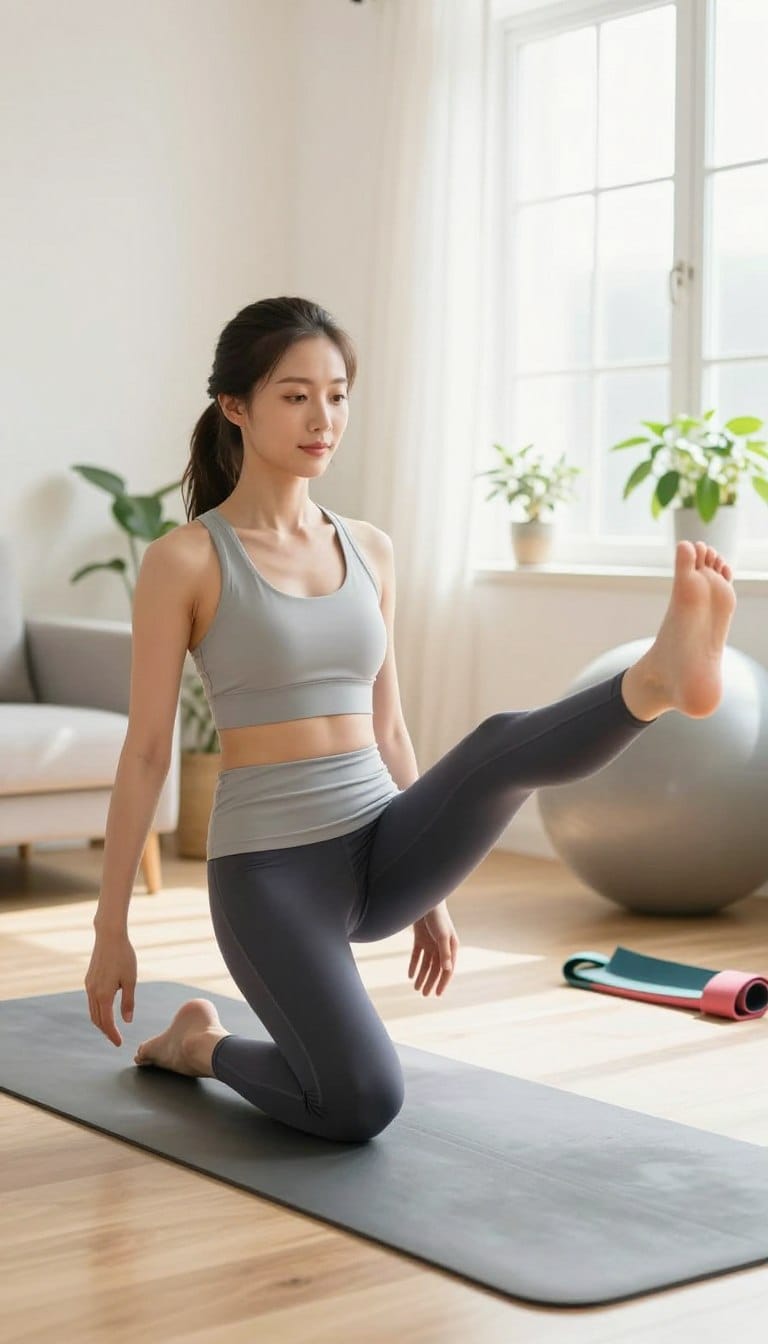
Have you ever wondered if a few minutes a day could change how your body feels when you laugh, cough, or lift? Many people accept leaks, pressure, or discomfort as part of life. But you might have more control than you think.
Your pelvic muscles support key organs like the bladder and uterus. Weakness here can lead to urinary incontinence or a feeling of heaviness. Learning simple moves, including kegel exercises done the right way, can improve control and reduce symptoms.
If you need help, a trained therapist can design a clear plan and watch your technique. Call 210-450-1000 to request an appointment or a second opinion about your health. Hold each contraction for a few seconds, repeat regularly each day, and you may notice steady gains in strength and comfort.
Key Takeaways
- Short, regular practice can reduce urinary incontinence and boost control.
- Correct technique matters, kegel exercises help when done properly.
- Hold contractions for a few seconds and repeat daily for best results.
- A therapist can tailor training to your needs and monitor progress.
- Contact 210-450-1000 for an appointment or second opinion.
Understanding Your Pelvic Floor Health
Many people don’t realize a layer of muscles beneath the hips plays a key role in bladder control and daily comfort.
The pelvic floor muscles form a supportive hammock for your bladder and reproductive organs. They help control urine and bowel function. About 32% of women and 16% of men will face at least one dysfunction in these muscles during their life.
When these floor muscles weaken, you may notice leaking, urgency, or a sense of pressure. Early attention can prevent worsening symptoms and improve your overall health.
The Role of Muscles
- Your pelvic floor muscle supports internal organs and helps maintain continence.
- Each muscle has a specific job; learning to engage them improves bladder control.
- Addressing changes early reduces the chance of long-term incontinence and discomfort.
| What it supports | Common symptom | When to act |
|---|---|---|
| Bladder and urethra | Leaking with cough/sneeze | After repeated leaks |
| Reproductive organs | Heaviness or pressure | When daily comfort is affected |
| Bowel control | Urgency or accidental loss | Any persistent change |
Effective Pelvic Floor Exercises Strengthen Your Core
Small, focused routines help your core and lower body work together better. Use moves that target the right muscles without adding strain to your back or buttocks.
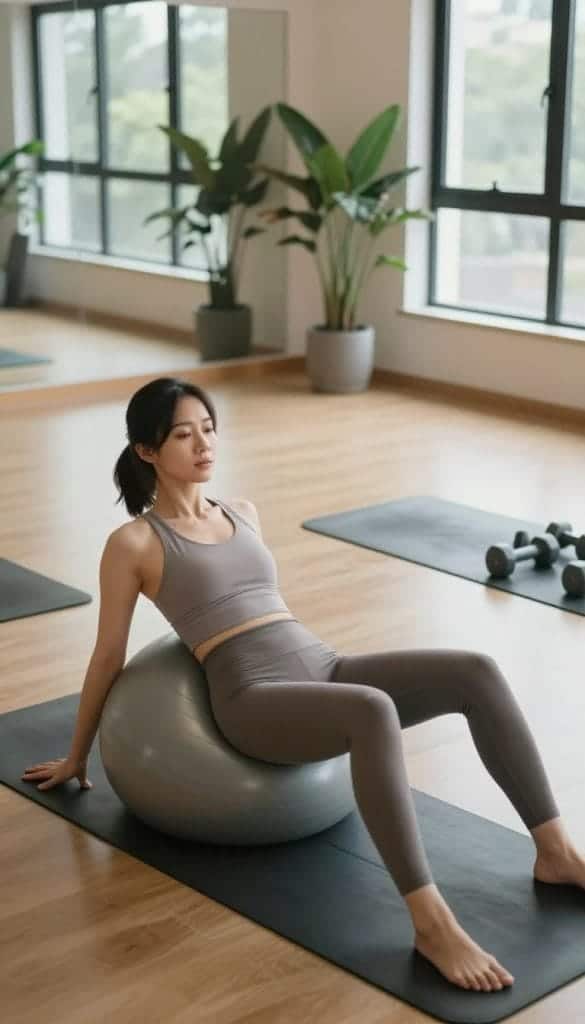
Mastering Kegel Techniques
Find a comfortable position to focus on the right muscles. Tighten and hold a contraction for 3-5 seconds, then relax. Repeat in sets and aim for clarity over quantity. Pelvic Floor Exercises for Women covers the same topic for women.
Incorporating Bridge Poses
Bridge poses link your core and glute muscles. Lift your hips gently, breathe out as you lift, and breathe in as you lower. This supports overall control and reduces stress on the body.
Benefits of Squats
Squats train the lower body and improve control of those same supporting muscles. Try three sets of 10-15 reps and practice 2-3 times a week.
- Coordinate breathing with each move to avoid holding breath when passing gas or straining.
- Do not tighten your buttocks or back when performing kegels; focus on the target muscle group.
- Consistent daily practice often shows gains after several weeks and can help manage urine control.
| Move | Sets / Reps | Main benefit |
|---|---|---|
| Kegel technique | Hold 3-5 seconds, repeat | Improves lift and control |
| Bridge pose | 3 sets of 8-12 | Strengthens core and glutes |
| Squats | 3 sets of 10-15 | Boosts lower body control |
Advanced Techniques for Muscle Control
Technology now offers ways to trigger thousands of contractions in minutes while you sit.
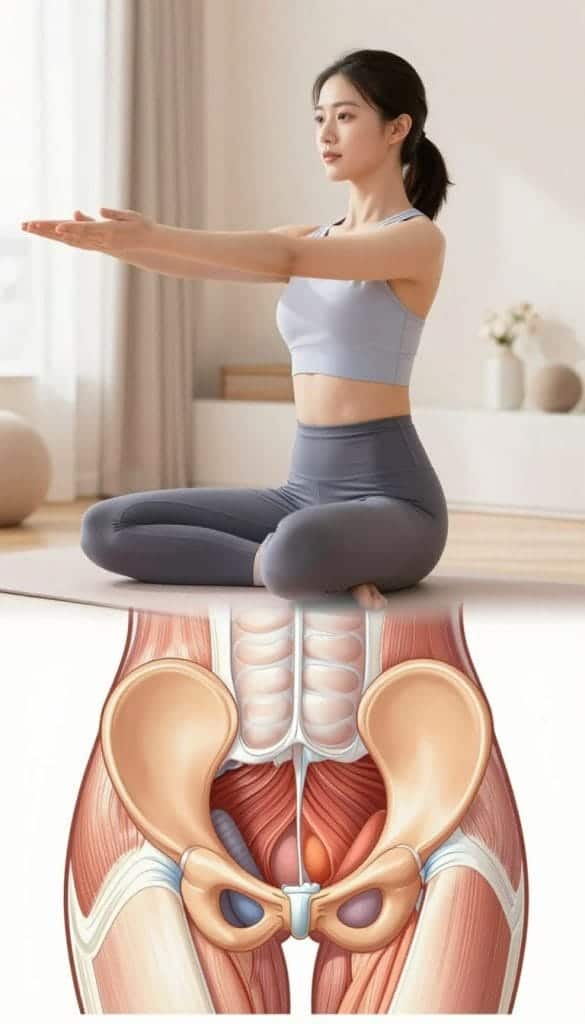
The EMSELLA Chair is an FDA-approved, noninvasive option that uses focused electromagnetic energy to stimulate your pelvic floor muscles. Sitting on the chair is roughly equivalent to doing thousands of Kegel-like reps in a single session.
The device works in short bursts that last several seconds, and you remain fully clothed. This approach gives a high-intensity workout for key muscle groups without active manual effort.
- Advanced options like EMSELLA can target the right muscles more precisely than basic kegel exercises.
- Many people report better control and improved buttocks and back engagement after a course of therapy.
- Maintain a neutral body position during sessions to ensure safe, effective activation of the floor muscle groups.
| Method | Session | Main benefit |
|---|---|---|
| EMSELLA Chair | Single 30‑minute session | Thousands of contractions, hands-free |
| Manual Kegels | Daily sets of holds | Improves voluntary control over time |
| Targeted Therapy | Personalized plan | Tailors exercise to your needs |
When to Consult a Pelvic Floor Therapist
If your routine doesn’t improve symptoms after a few weeks, or if performing moves causes pain, you should seek professional care.
Professional Treatment Options
A pelvic health therapist is a specialized physical therapist who evaluates pelvic floor muscles and organ support. They test coordination and show you the right way to target the correct muscles without overworking the buttocks or back.

- If you have persistent urinary incontinence or pain, a therapist can create a personalized plan.
- Hinge Health offers virtual therapy; members see an average 68% pain reduction within 12 weeks of guided programs.
- A qualified therapist helps you locate the right muscles, adjusts training times, and prevents harmful straining or gas-related issues.
- Seek help if kegels or other exercises cause discomfort, this often signals incorrect technique or overtraining.
| Option | What it does | When to choose |
|---|---|---|
| In-person therapy | Hands-on evaluation and tailored plan | Persistent symptoms or pain |
| Virtual programs | Guided home training and tracking | Busy schedules or remote care |
| Device-assisted therapy | High-rep activation without effort | When manual training stalls |
Conclusion
Small steps now can prevent future incontinence and improve your daily comfort. ,
Make a habit of short, clear practice: treat your pelvic floor like any other muscle group and do brief holds each day. Keep sessions simple, hold for a few seconds, repeat, and rest. High Protein Meal Plan for Women applies the same idea to meal planning.
If you are a woman with concerning symptoms, contact a therapist for personalized guidance. Proper position and correct kegel exercises help you regain reliable control of your bladder.
Listen to your body. Adjust training if you feel pain. With steady attention, you can build a lasting muscle foundation that supports organ health and reduces urinary incontinence over time.
FAQ
What are the best techniques to build strength in the pelvic area?
Focus on targeted contractions you can do lying down, sitting, or standing. Practice slow holds of the right muscle for about 5-10 seconds, then relax for the same time. Add quick squeezes of 1-2 seconds to train fast control. Aim for three sets of 8-12 slow holds and 10-20 quick squeezes once or twice a day. Gradually increase hold time until you reach 10 seconds.
How do Kegel moves help with bladder control and leakage?
Kegels train the muscles that support your bladder and urethra, improving your ability to stop urine flow and reduce stress leaks when you cough, sneeze, or lift. Regular practice leads to better timing and stronger support, which lowers episodes of accidental urine loss over several weeks.
How long before I notice improvements in symptoms like urine leakage or poor control?
Many people see change within 6-12 weeks of consistent daily practice. Start with short, frequent sessions and follow progression guidelines. Combine muscle training with lifestyle changes, manage fluid intake and avoid heavy lifting, to speed results.
Can bridges and squats really assist with muscle control around the bladder and organs?
Yes. Bridges engage the posterior chain and help coordinate the buttocks and deep support muscles. Squats strengthen hips and connective tissues that contribute to overall core stability. Perform both with proper form and focus on gentle contraction of the deep support muscles during each rep.
How do I find the right muscle to contract without tensing my buttocks or abdomen?
Pretend you’re stopping gas or stopping a urine stream, this narrows down the correct muscle. Place a hand on your lower abdomen to ensure it stays relaxed. If your buttocks or thighs tighten, stop and try a lighter, more focused squeeze until you feel only the targeted area engage.
How many times per day should I train, and how many seconds per hold?
Start with two sessions daily. Do sets of 8-12 holds lasting 5-10 seconds, plus 10-20 quick squeezes. If you’re new, shorter holds are fine; build up gradually. Consistency matters more than one long session.
Are there risks to doing these contractions incorrectly?
Yes. Overdoing tension or using the wrong muscles can cause pain, back strain, or worsening symptoms. Stop if you feel discomfort, pelvic pressure, or increased leakage. Seek guidance from a qualified therapist to ensure proper technique.
When should I see a pelvic floor therapist or physical therapist?
Consult a clinician if you have persistent urine leakage, difficulty sensing the right muscles, pelvic pain, or if symptoms don’t improve after 8-12 weeks of proper training. A therapist can offer biofeedback, manual therapy, tailored progressions, and medical treatment options.
What professional treatments are available besides home training?
Therapists may use biofeedback to show muscle activity, electrical stimulation to activate weak muscles, manual release techniques for tightness, and structured exercise programs. In some cases, medical or surgical options are discussed with a physician when conservative care hasn’t helped.
Can men benefit from these techniques as well?
Absolutely. The same principles apply for men facing urinary leakage, weak support, or post-prostate surgery recovery. Exercises help improve control, support pelvic organs, and reduce urgency symptoms when done correctly and consistently.
Will training help with passing gas or bowel control issues?
Yes, improved muscle control often helps with gas and minor bowel urgency. Strength and coordination of the support muscles aid in maintaining continence. If bowel symptoms persist, seek assessment from a specialist.
How should I breathe while performing contractions?
Breathe normally. Avoid holding your breath or bearing down. Inhale to relax, then exhale slightly while performing the gentle squeeze. Proper breathing prevents added pressure on the pelvic region and supports effective contractions.
Can these routines help posture and back comfort?
Strengthening deep support muscles improves spine stability and posture. Many people notice reduced low back strain as muscle coordination between hips, core, and support structures improves. Combine with posture work and glute activation for best results.
Are there lifestyle changes that support better outcomes?
Yes. Manage weight, avoid heavy lifting without proper form, reduce bladder irritants (like caffeine), and time fluid intake sensibly. Quit smoking to lower coughing-related stress leaks. Small daily habits complement your training program.