

You may feel tired, hungry, or anxious when your routine changes while using medications that affect appetite and energy. Managing your daily rhythm can feel personal and frustrating. This guide meets you where you are and offers simple choices that help keep your blood sugar steady and predictable.
You will learn how the right mix of fiber and protein supports steady sugar and prevents sudden crashes. Small shifts in what you eat can make a big difference in your energy and mood.
Practical tips here focus on real meals and easy swaps you can use today. By understanding how nutrients affect your blood sugar levels, you can feel more in control of your health and your day.
Key Takeaways
- Choose higher fiber and protein choices to stabilize sugar and curb cravings.
- Simple meal swaps can prevent energy dips and support steady blood sugar.
- Knowing which nutrients help you makes daily planning easier and more effective.
- Small, consistent changes matter more than perfect meals.
- This guide gives clear, practical steps you can apply right away.
Understanding How GLP-1 Medications Work
These medications copy a natural gut hormone that helps your body manage blood sugar and hunger. That simple action has big effects on your daily energy and meal timing.
The Hormone Connection
This hormone signals your pancreas to release insulin when sugar levels rise after a meal. It helps keep your blood chemistry balanced and supports overall health.
For many people, glp-1 medications mimic that signal. They are often used to manage type 2 diabetes and can aid in gradual weight loss.
Appetite and Digestion
These treatments slow digestion so you feel full sooner. That change reduces appetite and can make controlling weight easier over time.
- They help control meal-size and curb late-day cravings.
- By slowing stomach emptying, they smooth out blood sugar levels.
- Many people report steady energy and fewer sudden hunger spikes.
The Role of GLP-1 Low GI Foods in Blood Sugar Management
What you eat at each meal influences hormone signals that shape your appetite and post-meal sugar levels.
Eggs are an efficient way to add protein and monounsaturated fats to breakfast. A 2016 review highlighted their role in promoting hormone release that helps steady blood sugar.
Switching saturated fats for unsaturated options like olive oil also supports healthy hormone signaling. A 2021 review found unsaturated fats better at stimulating this response than saturated fats.
Eating vegetables before carbohydrates is another simple tactic. A 2022 Jakarta study showed this order helped people with diabetes manage post-meal blood sugar levels.
High-fiber choices such as oats slow digestion and extend steady energy between meals. Together, these swaps let you nudge your body’s hormone patterns and improve appetite control and overall health.
Essential Protein Sources for Muscle Preservation
Aim for steady protein intake to preserve muscle and keep energy reliable.
You should target at least 60 grams of protein daily to prevent muscle loss while you lose weight. Experts suggest 1.2-1.6 grams per kilogram of body weight to support muscle retention and satiety.
Meeting Daily Protein Requirements
Plan meals around high-quality protein and combine them with healthy fats to help steady blood levels and keep you satisfied.
- Eat eggs or yogurt at breakfast to start the day with reliable protein and key nutrients.
- Spread protein across meals to hit the 60 g minimum and support muscle strength.
- Healthy fats and protein together improve satiety and steady energy between meals.

| Source | Protein per Serving | Fats | Key Benefit |
|---|---|---|---|
| Eggs (2 large) | 12 g | 5 g (mostly unsaturated) | Complete amino acids for muscle repair |
| Plain Greek yogurt (1 cup) | 20 g | 0-4 g (varies by type) | High protein, probiotic nutrients |
| Cooked lentils (1 cup) | 18 g | 1 g | Plant protein with fiber for steady energy |
Incorporating Healthy Fats and Fiber
Pairing fiber-rich vegetables with a small amount of oil slows digestion and keeps your energy steady. This simple shift helps your body process food more evenly and supports a healthier hormone response.
Add olive oil or a portion of avocado to salads and cooked vegetables. These fats make meals more satisfying and blunt sharp hunger between meals.
Fiber is key. It slows stomach emptying and extends steady energy. Aim to include a vegetable or whole grain with each meal to help steady your levels throughout the day.
- Choose olives, avocado, or a small handful of nuts for easy, nutrient-dense fat.
- Combine those fats with leafy greens or beans to boost fiber naturally.
- Make these pairings part of your regular diet so progress lasts.

| Item | Why it helps | Serving idea |
|---|---|---|
| Olive oil | Supports hormone signaling and satiety | Drizzle on roasted veggies |
| Avocado | Provides monounsaturated fats and fiber | Slice on toast or into salads |
| Nuts | Concentrated fats and protein for fullness | Snack or salad topper |
Foods and Beverages to Limit While Taking Medication
When you take a medication that slows appetite or digestion, some items can worsen side effects or push your sugar levels up. Small changes to what you avoid help you feel better and keep blood sugar steady.
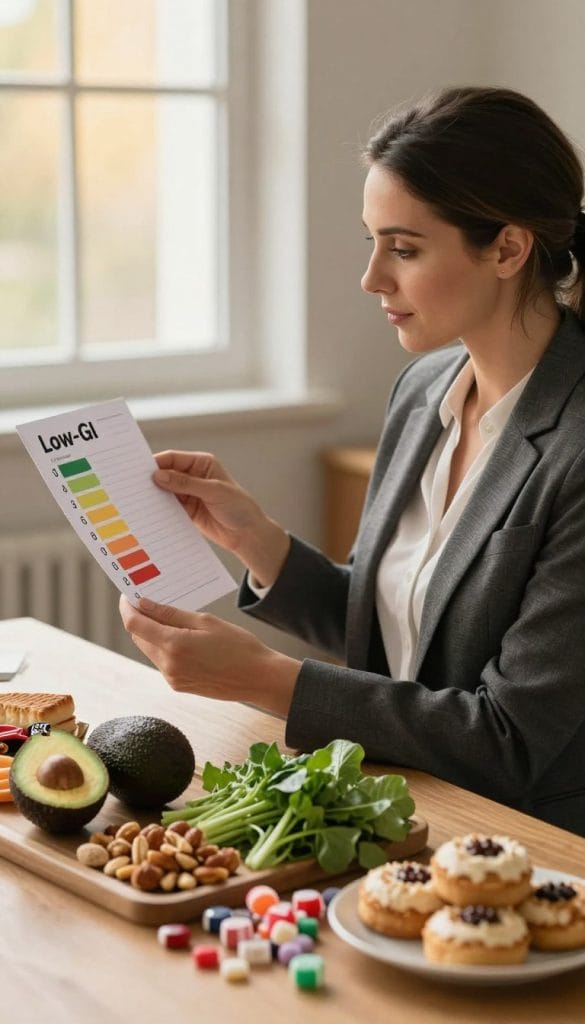
High Sugar and Greasy Foods
Avoid high sugar treats and greasy fried items. They often trigger nausea and make side effects worse when you are taking glp-1 medications.
Why: These choices can spike sugar and cause discomfort that undermines your diet and progress.
Starchy Fruits and Vegetables
Cut back on starchy options like potatoes and ripe tropical fruits. They raise sugar quickly.
Choose berries and nonstarchy vegetables instead to help steady blood and support weight loss.
Alcohol and Carbonated Drinks
Alcohol and fizzy drinks can slow progress and cause unpleasant reactions.
Avoid them to protect your loss goals and reduce side effects.
- Limit sugary snacks and greasy meals to ease nausea and other side effects.
- Favor berries and leafy greens for stable sugar levels.
- Prioritize water, aim for at least 64 ounces daily to stay hydrated while taking your medication.
| Item to Limit | Main Risk | Better Swap |
|---|---|---|
| Sugary pastries | Rapid sugar spikes | Plain yogurt with berries |
| Fried takeout | Worse nausea, high fats | Grilled chicken and salad |
| Regular soda / beer | Empty calories, affects weight | Sparkling water with lemon |
Practical Strategies for Meal Planning
Build simple weekly menus that pair protein, fiber, and healthy fat to keep your energy steady.
Start with a base: choose a protein and a fiber source for each meal. Aim to include eggs, yogurt, chicken, or salmon with oats or berries at least once daily. Easy High-Protein GLP-1 Meals to Preserve Muscle While You Lose Weight covers the same topic from another angle.
Drink regularly. You should aim for 2-3 liters of water per day to prevent dehydration while taking your medication.
If weight loss is a goal, spread protein across meals to protect muscle and curb appetite. Working with a dietitian can help you craft a plan that fits your tastes and needs.
When side effects occur, try smaller, more frequent meals to keep energy up and avoid overwhelming symptoms. Simple swaps, olive oil for butter, oats for refined grains, help steady blood sugar levels over the day.
| Strategy | Why it helps | How to apply |
|---|---|---|
| Hydration | Prevents dizziness and supports digestion | Drink 2-3 liters daily, sip between meals |
| Protein at each meal | Preserves muscle and curbs appetite | Include chicken, salmon, yogurt, or eggs |
| Fiber goal | Slows digestion and steadies sugar | Women ~28 g/day, men ~35 g/day; add oats, berries, vegetables |
Managing Potential Side Effects Through Nutrition
If nausea or fatigue shows up while taking medication, simple nutrition changes can make your days easier.
Start with small, frequent meals to keep your blood sugar levels steady and to ease digestive discomfort.
Choose bland, easy-to-digest proteins like chicken or salmon when you feel queasy. A dietitian can help tailor portions and textures to your needs.
Even with poor appetite, aim to include reliable protein sources such as eggs or yogurt. This helps prevent muscle loss and keeps your energy more stable.
- Eat every 2-3 hours if large meals upset you.
- Pick soft, plain items when side effects are strong.
- Track how different food choices affect your sugar levels and energy.
| Symptom | Practical food fix | Why it helps |
|---|---|---|
| Nausea | Plain grilled chicken, crackers | Gentle on the stomach, provides protein |
| Low appetite | Greek yogurt, soft-boiled eggs | High protein in small portions to protect muscle |
| Energy dips | Small meals with protein and a little fiber | Stabilizes sugar and sustains energy |
Monitor reactions and work with your dietitian to refine a plan that supports your health while you take medication.
Conclusion
You can finish this journey with a strong, steady approach. Focus on balanced nutrition that pairs protein and fiber with healthy fats. Small changes to what you eat and when you eat help preserve muscle and make meals predictable.
Use a simple meal plan to reduce side effects and keep your blood sugar and sugar swings under control. These medications work best when you pair them with consistent habits and regular activity. Research shows many people see 8-11% weight loss after 60 weeks when they combine treatment with steady eating.
Keep working with your dietitian and health team. Stay patient, track progress, and adjust your plan to protect your weight and overall health.
FAQ
What kinds of low-glycemic foods help keep your blood sugar steady while taking GLP-1 medications?
Choose whole grains like steel-cut oats and barley, lean proteins such as chicken, salmon, and Greek yogurt, and fiber-rich produce like berries, leafy greens, and legumes. Add healthy oils like olive oil and modest amounts of nuts to slow digestion and stabilize sugar levels. These choices support steady energy and reduce sharp spikes.
How do these medications affect your appetite and digestion?
They slow stomach emptying and act on appetite centers in the brain, so you feel full sooner and eat less. That can help with weight loss but may require smaller, more frequent meals and extra attention to protein and nutrient timing to preserve muscle and energy.
Can following a low-glycemic pattern improve blood sugar control for people with type 2 diabetes?
Yes. Pairing whole grains, legumes, lean protein, healthy fats, and high-fiber fruits and vegetables helps blunt post-meal blood sugar rises. Combining these foods with medication and regular activity gives the best chance at consistent glucose numbers.
How much protein should you aim for to protect muscle while losing weight?
Aim for about 0.6-0.9 grams per pound of body weight daily, depending on your activity level. Include a source of protein at each meal, eggs, chicken, yogurt, salmon, or plant-based proteins, to support muscle and strength.
Are certain fats better than others when you’re on these medications?
Favor monounsaturated and polyunsaturated fats like olive oil, avocados, nuts, and fatty fish. They support heart health and satiety. Limit trans fats and excessive saturated fats from fried or highly processed items.
Which beverages should you avoid to keep sugar control steady?
Steer clear of sugary sodas, sweetened coffees, and fruit drinks. Alcohol can impair glucose control and interact with appetite regulation; keep intake moderate and avoid sugary mixers. Plain water, sparkling water, and unsweetened tea are safer choices.
Are starchy fruits and vegetables a problem while using these medications?
Starchy options like potatoes, corn, and some tropical fruits can raise blood sugar more quickly. You don’t have to eliminate them, but watch portion sizes and pair them with protein, fiber, or healthy fat to slow absorption.
What meal-planning strategies help you manage hunger and glucose?
Build balanced plates: half nonstarchy vegetables, one-quarter lean protein, and one-quarter whole grains or starchy veg, plus a small serving of healthy fat. Eat regular meals, include protein at breakfast, and prep simple snacks like Greek yogurt with berries or a handful of nuts.
How can nutrition help reduce common side effects like nausea or reduced appetite?
Eat smaller, more frequent meals and choose bland, easy-to-digest options when feeling nauseous, plain toast, applesauce, or broth-based soups. Cold or room-temperature foods may feel better than hot ones. Stay hydrated and stop eating when you feel comfortably full.
Should you change your diet when starting weight-loss medication to avoid losing muscle?
Yes. Prioritize protein, maintain resistance exercise, and avoid extreme calorie restriction. Work with a registered dietitian or your healthcare team to set safe calorie and protein targets so weight loss favors fat rather than muscle.
Can you take supplements like protein powder or fiber to help manage effects?
Supplements can help bridge gaps, whey or plant protein powders support daily targets, and psyllium or inulin can boost fiber. Discuss supplements with your clinician to ensure they fit your medication plan and don’t cause GI upset.
How do you balance fruit cravings with the need to control sugar levels?
Choose lower-sugar fruits such as berries and pair them with protein or fat (yogurt, nut butter) to slow absorption. Watch portions for higher-sugar fruits and enjoy them as part of balanced meals rather than alone.
Are there specific foods that increase the risk of side effects when combined with medication?
Very greasy, fried foods and high-sugar treats can worsen nausea or blood sugar swings. Extremely large meals may amplify feelings of fullness or discomfort because the medication slows stomach emptying. Keep portions moderate and opt for nutrient-dense choices.
Should people with diabetes monitor blood sugar more often after starting these medicines?
Yes. Check your levels as recommended by your provider, especially during the first weeks. Monitoring helps you and your clinician see how meals, activity, and doses affect glucose and lets you adjust your plan safely.
Where can you get personalized meal and nutrition guidance while on medication?
Seek a registered dietitian or certified diabetes educator who knows your medical history and medication. They can create a meal plan that preserves muscle, stabilizes blood sugar, and fits your lifestyle and food preferences.
