

You might feel a mix of excitement and worry as your trip approaches. Leaving home does not mean abandoning your weight loss plan or your daily dose routine. Many people worry about timing, temperature control, or unexpected side effects like nausea when they are away.
Make a simple plan before you go: talk with your healthcare provider about your prescription, map out dose times for each day, and pack medications in your carry-on bag. Your doctor can also answer questions about handling side effects while you are on the road.
Written by Lauren Lund, APRN-CNP and reviewed by Laurianne Scott, DO on Nov 11, 2024, this guide helps you keep treatment steady and your weight goals visible. With a few small steps, you can protect your meds, manage temperature concerns, and enjoy the trip without losing progress.
Key Takeaways
- Consult your healthcare provider before you leave to review your prescription and plan.
- Keep medications in your carry-on bag to control temperature and access each day.
- Set dose times ahead of time to stay consistent with treatment.
- Know how to handle common side effects like nausea and when to call your doctor.
- Simple planning helps you protect your weight loss progress while away.
Preparing for Your Trip with GLP-1 Medications
Start your trip preparation by confirming storage rules and lining up any paperwork you might need.
Obtaining a Letter of Medical Necessity
Contact your doctor to request a letter of medical necessity before you go. This document verifies your prescription and helps at checkpoints or when you arrive at your destination.
Coordinating with Your Healthcare Provider
Talk with your provider about how many doses you need for the days you will be away. Ask about backup options in case a pen is exposed to heat or light.
- Keep medications in their original case to protect them from extreme temperatures.
- Use an insulated bag with ice packs to keep pens cool, but don’t place the pen directly against ice to avoid freezing.
- Know storage windows: some pens can stay at room temperature for a limited number of days (for example, certain pens last 28 or 56 days at room temperature after first use).
Essential Storage Tips for GLP-1 Travel
Proper packing and temperature control help ensure your prescription stays potent during the entire trip.
Keep meds in your carry-on luggage so you control temperature and access each dose. Checked bags can face wide temperature swings that harm pens and tablets.
Use a high-quality insulated bag and bag ice packs to maintain the correct temperature. For refrigerated pens like Ozempic, keep them near 36°F–46°F until first use.
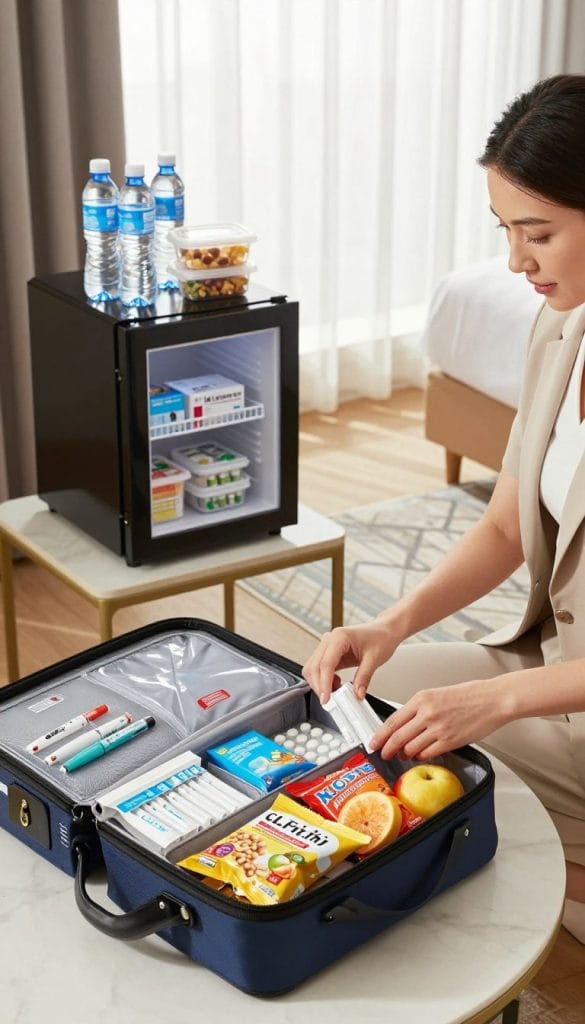
Rybelsus tablets do better at cool room temperature, around 68°F–77°F in a dry place. Store pens in their original packaging to block light and reduce the chance of potency loss.
- Make sure bag ice is kept separate from the pen so the dose does not freeze.
- If you are gone for many days, verify your insulated bag keeps the medication within the recommended temperature range.
- Always bring a copy of your prescription and keep meds in a protective case to guard against bumps and temperature changes.
Proper storage matters: it helps protect your weight loss plan and prevents wasted doses. Check temps often and replace ice packs as needed to keep meds effective throughout the trip.
Navigating Airport Security and TSA Regulations
Airports have rules that affect how you pack and carry medications, so knowing them ahead of time keeps your plan on track.
Packing Your Carry-On Luggage
Pack meds in your carry-on luggage to avoid the cargo hold and extreme temperatures. Keep pens and tablets in their original packaging when possible.
Use an insulated bag or case with bag ice packs if your prescription needs cool storage. Make sure ice does not touch pens directly to prevent freezing.
Declaring Medications at the Checkpoint
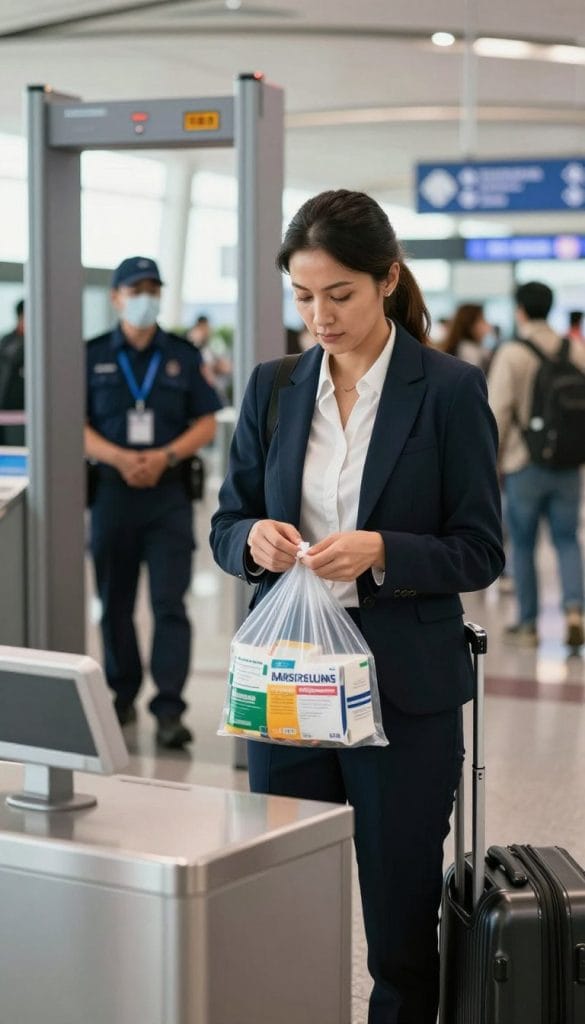
When you arrive, declare your medication to the TSA officer. Request a private screening if you prefer privacy.
Bring a copy of your prescription from your doctor to answer any questions about your injectable pens or doses.
Handling Liquid Medication Rules
Medications are generally exempt from the 3-1-1 rule, but keeping liquids in a clear bag speeds inspection. Small vials under 3.4 ounces (100 mL) are acceptable.
| Need | What to Bring | Why it Helps |
|---|---|---|
| Documentation | Prescription copy, doctor note | Speeds verification with TSA and customs |
| Packing | Insulated bag, original packaging, case | Protects medication from extreme temperatures |
| Screening | Declare meds, request private check | Reduces delays and preserves privacy |
| International | Check destination rules, carry documentation | Ensures compliance with other countries’ regulations |
Managing Your Dosing Schedule While Away
Adjusting your routine for new time zones and delays helps you keep doses consistent and limits side effects.
Plan your injection day to protect the interval between doses. If you cross time zones, pick a daily hour that works in both zones and stick to it. Set a phone reminder so you don’t forget amid busy days.
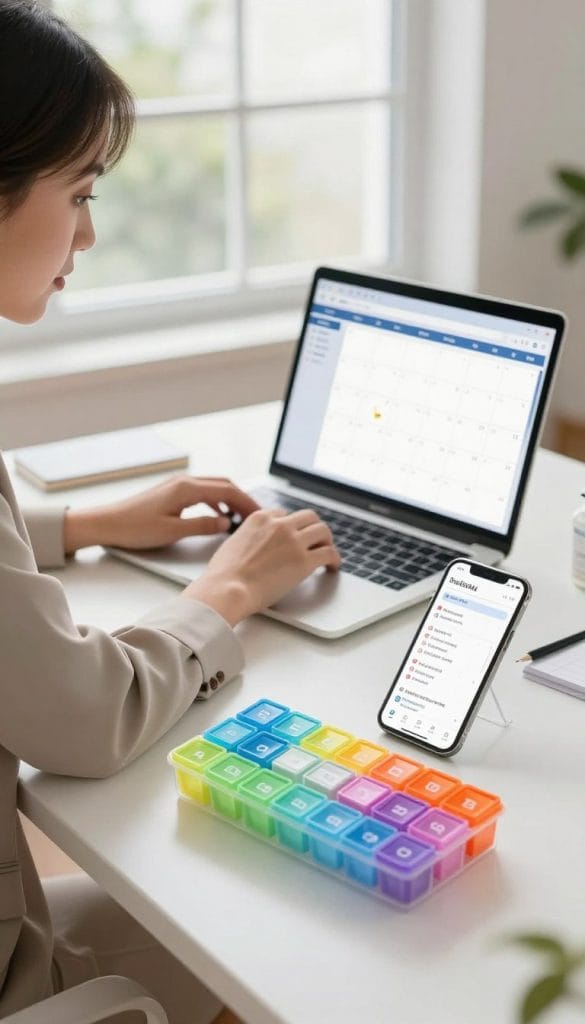
Adjusting for Time Zones and Travel Delays
If you miss a dose, follow your medication’s rules. For example, you can take Ozempic within five days of the scheduled injection.
For Wegovy, if your next dose is less than two days away, skip the missed dose and resume your regular plan.
- Keep medication in your carry-on luggage to avoid lost checked bags and cargo hold temperature swings.
- Separate ice packs from pens so doses don’t freeze; store at room temperature only as recommended.
- Be aware that changing your schedule or missing doses can cause side effects like nausea while your body adjusts.
Make sure you carry a copy of your prescription and plan extra days of medication when possible. That small step protects your weight loss progress and keeps treatment steady.
Handling Unexpected Travel Challenges
You can handle sudden issues during your trip by preparing contacts, extra doses, and clear documentation.
If you miss two or more doses of semaglutide, contact your healthcare provider right away. They may advise restarting at a lower dose. Prompt contact helps you avoid bigger setbacks in your weight loss plan.
Always keep a copy of your prescription and a letter of medical necessity in your bag. This makes it easier to get a refill or replacement at your destination or from local pharmacies in other countries.
- Carry your doctor’s contact info so you can secure replacements if pens are lost or damaged.
- Pack extra doses when possible to cover unexpected days or delays.
- If you get severe nausea or other side effects, consult your healthcare provider before changing a dose.
Being prepared with documentation, ice packs or insulated cases for temperature control, and quick access to medical advice keeps your medication regimen steady. That way a small mishap won’t derail your progress.
Conclusion
With the right packing and reminders, you can keep your medication effective and your routine consistent. Plan ahead for the trip so you protect doses and maintain temperature control in your carry-on.
Pack smart: use insulated packs or ice in a separate pouch and keep meds in their original case. Bring extras for a few days and set phone alerts to stay on schedule.
Following storage rules reduces the risk of nausea or other side effects and preserves your weight loss progress. Keep your prescription handy and contact your provider if a dose is missed or damaged.
Enjoy your trip with confidence—small steps now mean fewer interruptions later and better results for your weight and health.